
Thanksgiving is supposed to feel warm and welcoming, yet many hosts just end up exhausted and convinced they did not deliver the holiday experience they hoped for. The stress is real. 9 out of 10 adults report feeling stressed at this time of year. For those hosting holiday gatherings and dinners, much of that stress comes from trying to do everything perfectly while balancing guests’ expectations.
Knowing the common mistakes to avoid will help keep you calm and guests comfy, making it a winning holiday experience for all.
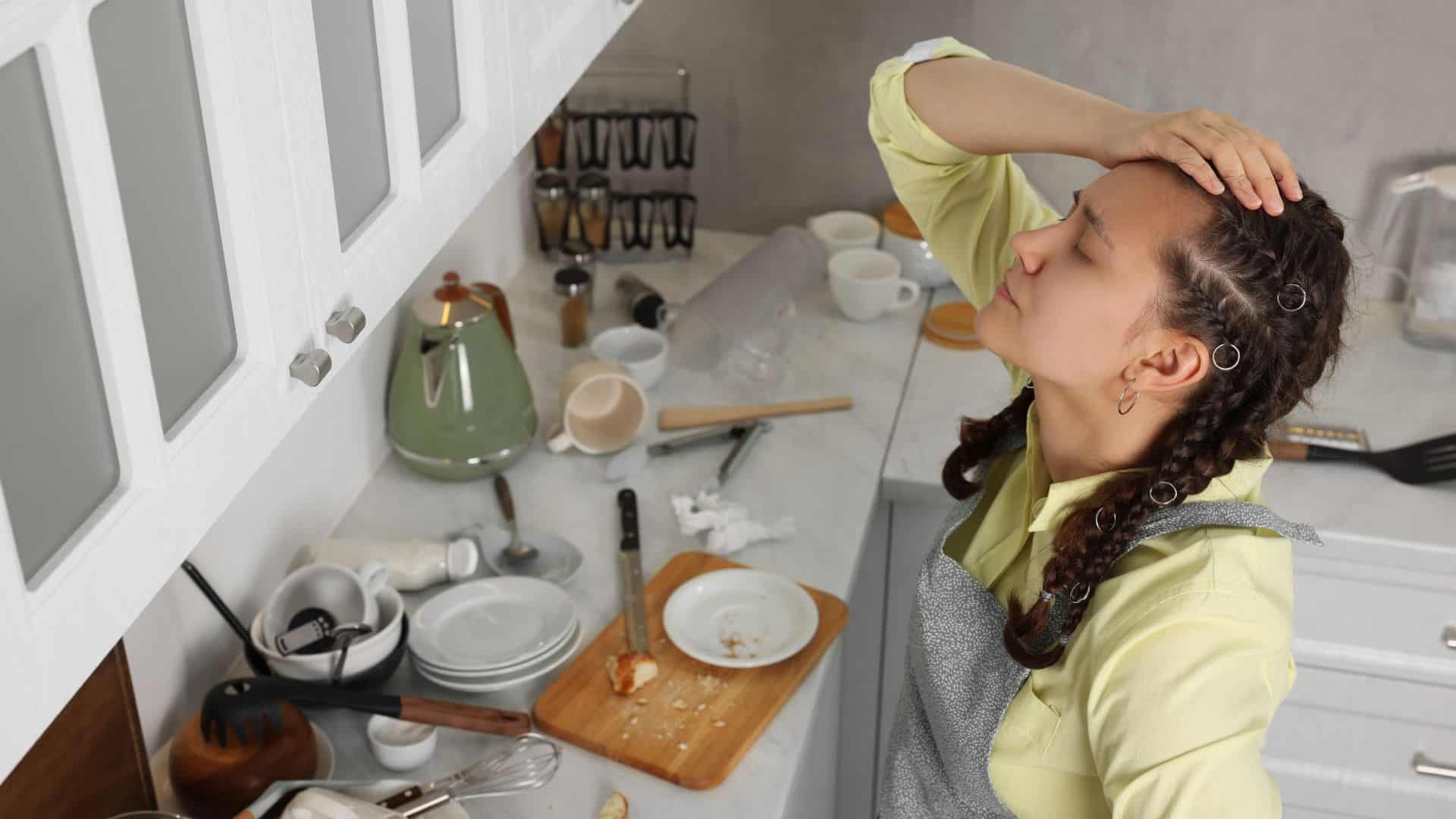
Trying to cook every single dish yourself
Preparing an entire Thanksgiving spread solo is a formula for a frazzled host. Ask guests to bring sides or Thanksgiving themed desserts, or purchase harder-to-make items from the store. If a guest offers to bring something to add to the meal, accept. Overcommitting can make you tired and distracted, and even take some of the day's magic away.
Overplanning the schedule
A timeline helps, but leaving no room for delays creates tension. A turkey cooking in the oven can take longer than expected, and more than likely, someone will arrive late. Children will need breaks, and conversations will run longer. Keep the schedule structured but flexible. A checklist can be more useful than a minute-by-minute plan.
Cleaning as if your home is being inspected
Don't spend hours polishing baseboards that no one will see. Guests notice warmth, not perfection. Tidy the common areas and bathrooms, clear any clutter from sight and from rooms where guests will be, and stop there. If a toy basket is overflowing, it's not a failure. Spending hours deep-cleaning before the family arrives, you will only realize the vacuumed rugs did nothing to improve the day. A warm welcome and heartfelt smile mean much more.

Trying new, untested recipes
It might be tempting to impress with a new recipe, but unfamiliar cooking increases stress and the risk of something going wrong. Stick to dishes you have made before or test a new recipe earlier in the month. A classic dish that is delicious wins over a last-minute experiment.
Skipping breaks and meals while cooking
Many hosts are running around prepping for the day and often forget to eat breakfast. This causes a lack of energy and, possibly, a crash halfway through the day. Grab a seat, eat some food, hydrate, and take a much-deserved break. A five-minute pause prevents overwhelm and keeps things calm.

Assuming everything has to be homemade
Holiday nostalgia makes many people believe store-bought shortcuts are cheating, but they're not. Prepared pie crust, pre-washed greens, and a jarred gravy base save time and let you preserve your energy for the parts of hosting that you enjoy most.
Not preparing for dietary needs
Guests should never feel like an inconvenience because they have food restrictions. Ask ahead whether anyone needs to avoid certain ingredients. A vegetarian side or gluten-free rolls option communicates caring and love. Don't overload your plate with an entire second menu, just thoughtful inclusion with an option or two.
Making guests feel they are in the way
If guests offer to help and you prefer to manage the kitchen alone, ask for help with other light tasks, such as filling water glasses or putting rolls in the bread basket. Telling guests to sit and do nothing while you rush around can feel awkward and cause tension.

Letting disagreements simmer
Holiday emotions can run high. If possible, avoid sensitive topics and redirect them, and do your best to stay calm throughout the process. Guests remember the mood long after the menu, and a peaceful table is just as important as the food on it.
Serving food too late with no snacks prior
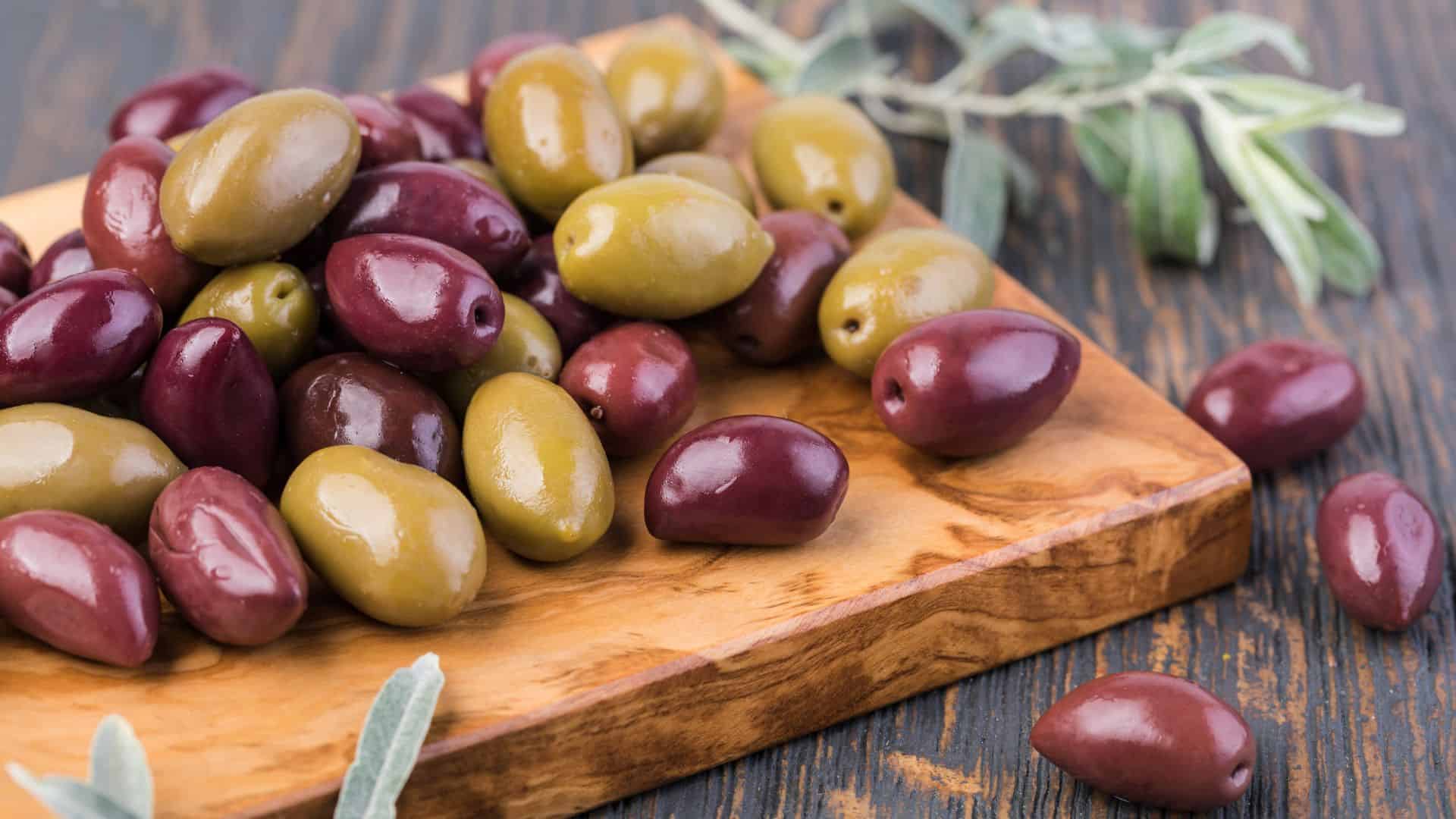
If dinner is running behind, guests will grow hungry and restless. Have nuts, cheese, or veggie bites on hand to prevent complaints. Even an olive tray or chips and dips gives them something to enjoy while waiting for the main meal.
Forgetting about room temperature and seating comfort
Crowded rooms and hot thermostat settings can make everything feel unpleasant. Do a quick chair count to make sure there are enough chairs for dinner and keep the house's temperature consistent.
Making cleanup the main event
Cleaning while guests are still seated can signal that the day or evening is coming to an end. Light tidying up is fine, but save any major dish duty for after most guests leave or for a small group that volunteers to help. The holiday table is a warm and comfortable place to sit with family and friends, and no one wants to feel rushed to get up and move or leave.
Setting yourself up to enjoy the day
Being aware of what to avoid is important, and a short checklist can help to reduce stress and keep it simple.
- Verify the guest count
- Confirm any dietary needs
- Plan and prep as much as you can the day before to avoid rushing
- Let guests help by bringing a dish or taking on small tasks
- Stick to recipes you already know and trust
- Create a simple schedule and include short breaks for yourself
- Keep the atmosphere relaxed with easy appetizers and good music
- Focus on enjoying the company, not achieving perfection.
Thanksgiving thrives on presence. When you allow yourself to enjoy the day, your guests feel at ease, too. Hosting is generous work, and generosity has the most impact when it includes you.
Leave a Reply