
Thanksgiving is one of the biggest food holidays of the year, and one of the easiest times to overspend without realizing it. All those seasonal displays and “holiday specials” are designed to grab your attention, and before you know it, you’ve spent far more than planned.
While food costs are already running higher than last year, many families will still fill their carts with more than they planned. Here is how to shop smarter before the holiday rush.
The illusion of “holiday savings”
During the weeks before Thanksgiving, stores roll out big signs claiming huge savings on turkeys, baking supplies, and canned goods. You’ll see tags that say things like “Was $10, now $8!”, but most of these aren’t real discounts. Retailers often raise prices earlier in the season, then “drop” them back down right before the holidays to make the deal look better than it is.
Start watching prices a couple of weeks before Thanksgiving. Write down what your key items cost so you’ll know which deals will actually save you money.
The aisles are designed to slow you down
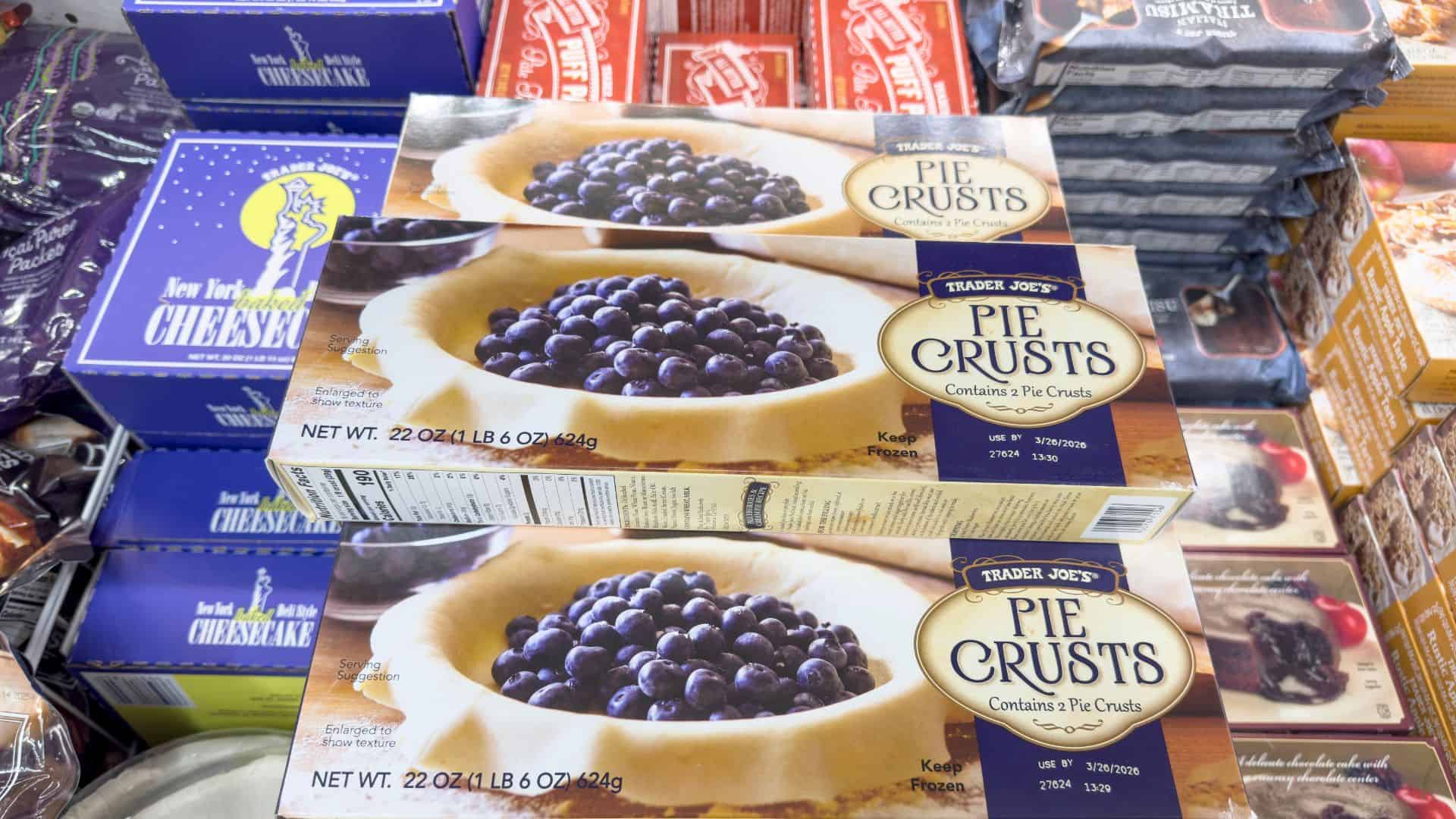
Store planners use “racetrack layouts” that loop customers through every category before they reach the checkout. During the Thanksgiving season, stores add extra displays for gravy packets, pie crusts, and cranberry mixes, all placed where you’re least expecting them.
The best way to stay on track is to shop the outer sections — produce, meat, dairy — and only go down the aisles where you actually need products.
The “one-stop shop” trap
During Thanksgiving week, supermarkets push the idea of “everything you need in one trip.” The idea sounds practical, but it often makes shoppers spend extra. A single store might have great deals on turkey and potatoes, but higher-than-average prices on other grocery items.
Try splitting your trip. Pick up your fresh items and perishables at your main store, then grab canned goods or baking staples at a cheaper store. Two short trips can save you significant money.
Over-decorated = over-spent
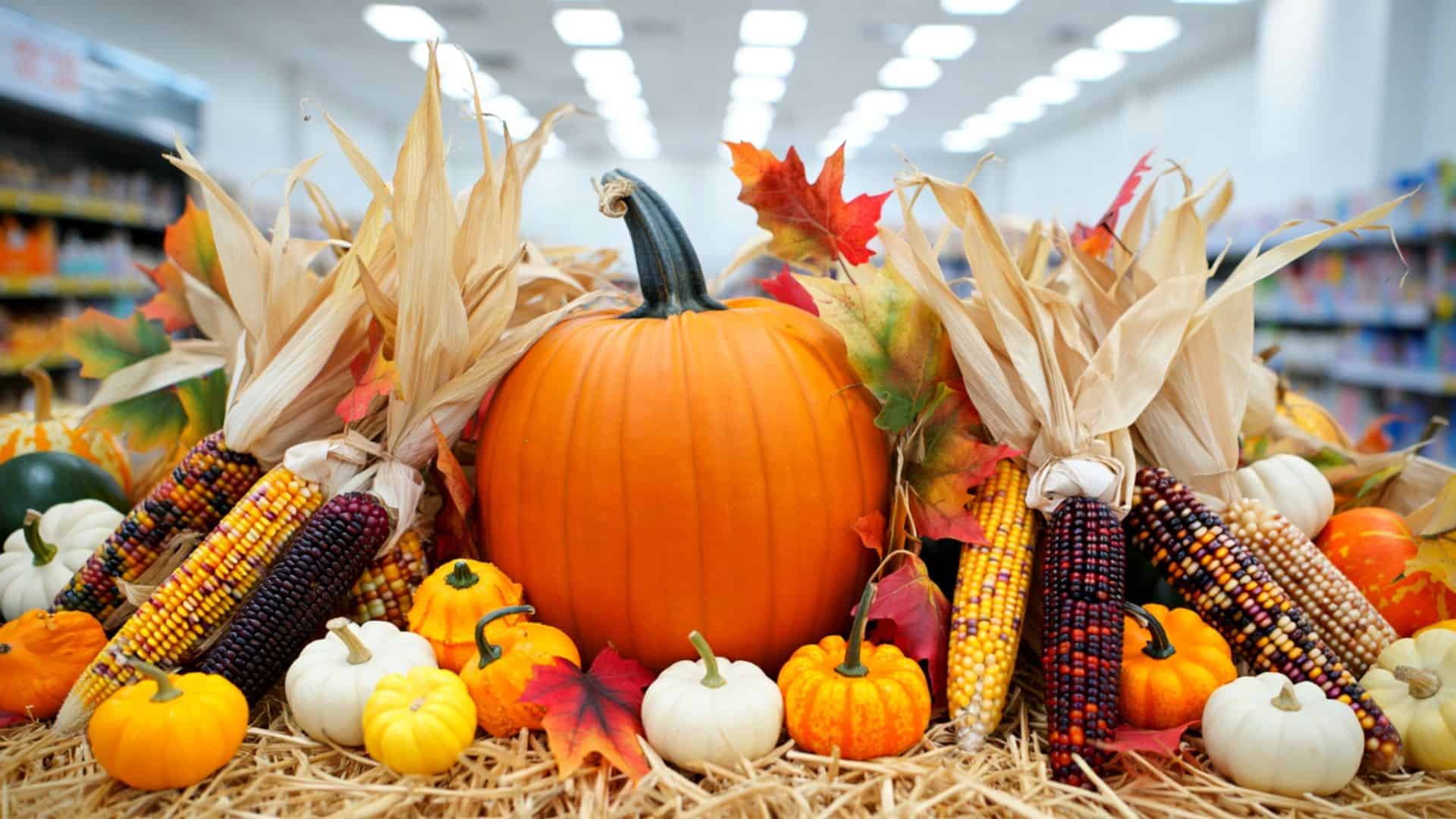
Grocery stores lean heavily on sensory design during the holidays. That means cinnamon-spice scents near bakery sections, curated playlists of nostalgic music, and warm lighting over pies and breads.
These cues create comfort and lower spending resistance. Shoppers exposed to “seasonal scent zones” spend more time in stores, leading to product discovery and unplanned purchases.
If you catch yourself wandering because the store “feels nice,” that’s your sign to refocus. Enjoy the vibe, but don’t let it guide your cart.
The lure of the “Thanksgiving aisle”
Temporary holiday aisles pop up earlier each year, filled with everything from turkey basters to “limited edition” snacks. Shoppers may assume they need something from there, especially if hosting for the first time.
But many “Thanksgiving” products are repackaged year-round items with new labels or colors. Disposable roasting pans, for example, may cost 20% more than the identical ones in the baking aisle.
Before buying from a themed display, ask yourself: “Would I still buy this in January?” If the answer is no, it’s probably not a necessity, unless you have extra to spend in your budget.
Bigger carts, bigger bills

The average shopping cart has doubled in size over the past decades. When your cart looks half empty, you’ll keep adding more, especially around Thanksgiving. You start thinking, maybe I should grab one more side dish or another pack of rolls, just to make sure you have enough for everyone.
If you can, grab a smaller cart or a basket, or bunch your items together so the cart looks full. You’ll still get what you need, but you’ll be less tempted to add in those “just in case” extras.
“Spend more, save more” deals that don’t help
Holiday promotions often use thresholds like “Spend $100, get $15 off” or “Buy 5, save $5.” These sound like a generous deal, but they always increase your total bill for items you might not even need. You end up grabbing extra items to reach the cutoff, which means spending $20 you didn’t plan to, to “save” $5.
If you want to save, stick to your list and your budget. This way, you won’t end up buying unnecessary items and later regret them.
The hidden cost of loyalty apps

Digital coupons and personalized offers can be useful, but they’re also data tools. Every tap and scan tells the store what persuades you, allowing more precise targeting next time. The push notifications are carefully timed to catch you when you’re already planning a trip.
Use those coupons for things you’d buy anyway, and mute notifications the week before your big trip so you’re not tempted by last-minute nudges.
Checkouts designed for impulse buying
By the time you reach the register, you’ve made hundreds of micro-decisions: brand, flavor, price, size. That decision fatigue makes your brain crave quick rewards. Stores know this, which is why checkout lanes are lined with items like candy, snacks, and even sodas. Not only are these unhealthy, but these impulse sections can add up quickly.
Keep yourself busy while standing in line. Check your list or total up your cart on your phone. Staying focused helps you skip those last-second extras.
How to shop smart before Thanksgiving
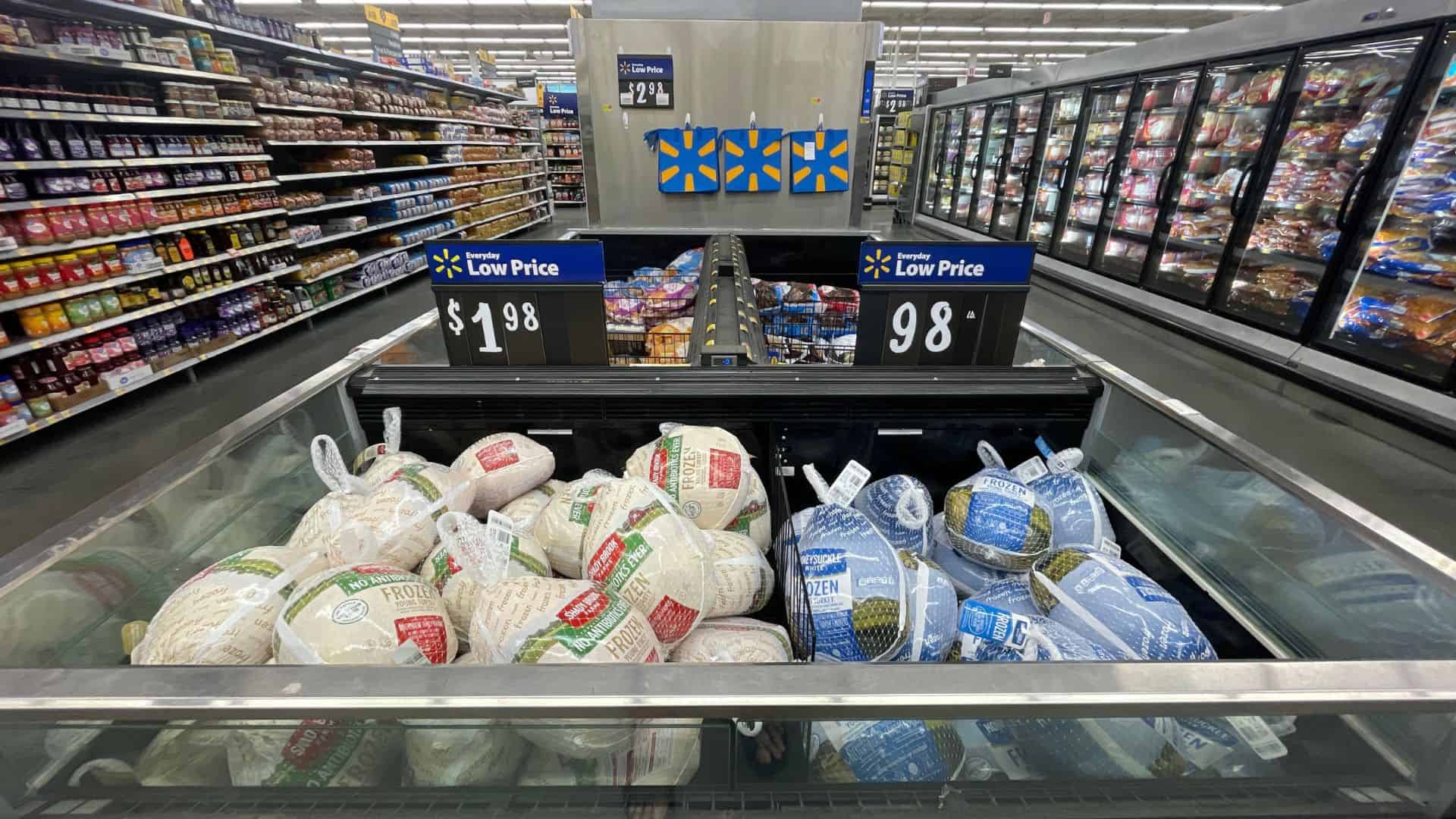
A few practical habits can help you avoid most of these traps when shopping for Thanksgiving:
- Plan early. Make your list a week or two early and check what is already in your kitchen. This way, you won’t end up buying duplicate items.
- Shop once for perishables, once for staples. Do one trip for fresh food and another for pantry items. It helps you buy only what you need.
- Use the calculator on your phone. Add up your total as you buy items so you can catch overspending before checking out.
- Shop when you’re not hungry. Don't go into the store when you're hungry; it will only tempt you to buy items you don’t necessarily need.
- Keep receipts. They’re the best record of what you actually overspent on, and a useful guide for next year.
Holiday meals are already costing more this year due to higher prices, but you can still keep your budget intact by shopping smart and avoiding such grocery traps.
Leave a Reply