
Many people don’t know how to thaw meat properly; they leave it on the counter or rinse it under hot water. However, these methods can increase the risk of foodborne illness due to unsafe temperatures. According to the Food Safety and Inspection Service (FSIS), raw or cooked meat and poultry must be thawed at a safe temperature.
In this article, we’ll look at the common mistakes people make when thawing meat, how to do it safely using the proper methods, and which practices to avoid altogether.
Common mistakes people make when thawing meat
Some people leave meat on the counter all day to thaw it. Others put it in hot water. Both methods may seem right for thawing meat, but they can be unsafe due to the rising temperature. Once the surface reaches 40°F or higher, bacteria start to grow even if the middle is still frozen.
Using hot water is risky too; it can partly cook the edges while the inside of the meat is still frozen, which affects both safety and quality when you cook it later.
So, what methods actually work without putting your food at risk?
The right way to thaw meat safely
There are only three safe ways to thaw meat: in the refrigerator, in cold water, or in the microwave. The method you choose depends on how much time you have before cooking. Refrigerator thawing takes the longest, but it keeps food at a safe temperature. The cold water method is quick, while microwave thawing should be used only when you’ll cook the food immediately.
Thawing meat in the refrigerator
Refrigerator thawing is the safest and most reliable option. It keeps meat at a steady, safe temperature of 40°F or below throughout the process, preventing bacterial growth while allowing the meat to thaw gradually.
- Place the meat in a dish or container to catch any juices that might leak.
- Keep it on the bottom shelf to prevent cross-contamination with other foods.
- Allow enough time for the entire item to thaw completely before cooking.
Thawing typically takes about 24 hours. A one-pound package of ground beef or chicken may thaw within a day, while a larger item, such as a whole turkey, may require several days in the refrigerator.
Refrigerator-thawed meat can stay safe for an additional day or two before cooking. Thawed food can also be safely refrozen without cooking, provided it has remained at a safe temperature.
Thawing meat in cold water
Cold-water thawing is a faster method when there isn’t enough time for refrigerator thawing. Place the meat in a leak-proof plastic bag to prevent contamination, and submerge it in cold tap water. The water must be changed every 30 minutes to keep it cold.
Meat thawed using this method must be cooked immediately after thawing. It should not be returned to the refrigerator or refrozen without cooking first. This method typically takes about 30 minutes per pound, so a one-pound package might thaw in an hour, while a three-pound roast could take a couple of hours.
Thawing meat in cold water in the microwave
Microwave thawing is the quickest way to defrost meat and should only be used when the food will be cooked right away. Use the microwave’s defrost setting and follow the instructions for the food’s weight.
Microwave thawing brings the meat into the danger zone, between 40 and 140 degrees F, where bacteria can grow. Because of this uneven heating, it is recommended to cook meat immediately after microwave thawing.
If you use either the cold-water or microwave method, cook the meat right after thawing, and don’t refreeze it unless it has been cooked first.
How many times can you thaw and refreeze meat?
Meat can be safely frozen and thawed more than once if it has been kept at a safe temperature the entire time. The most reliable way to do this is refrigerator thawing, since the temperature stays below 40°F. Meat thawed this way can be refrozen without cooking.
If the meat was thawed using cold water or the microwave, it should be cooked before freezing again. Each time meat goes through a freeze–thaw cycle, it loses a little more moisture. Ice crystals that form during freezing can damage the texture, leading to drier or less tender meat over time.
From a safety standpoint, the meat remains safe to eat as long as it has stayed below the recommended temperature, but repeated thawing and refreezing may affect quality.
In summary: What not to do when thawing meat
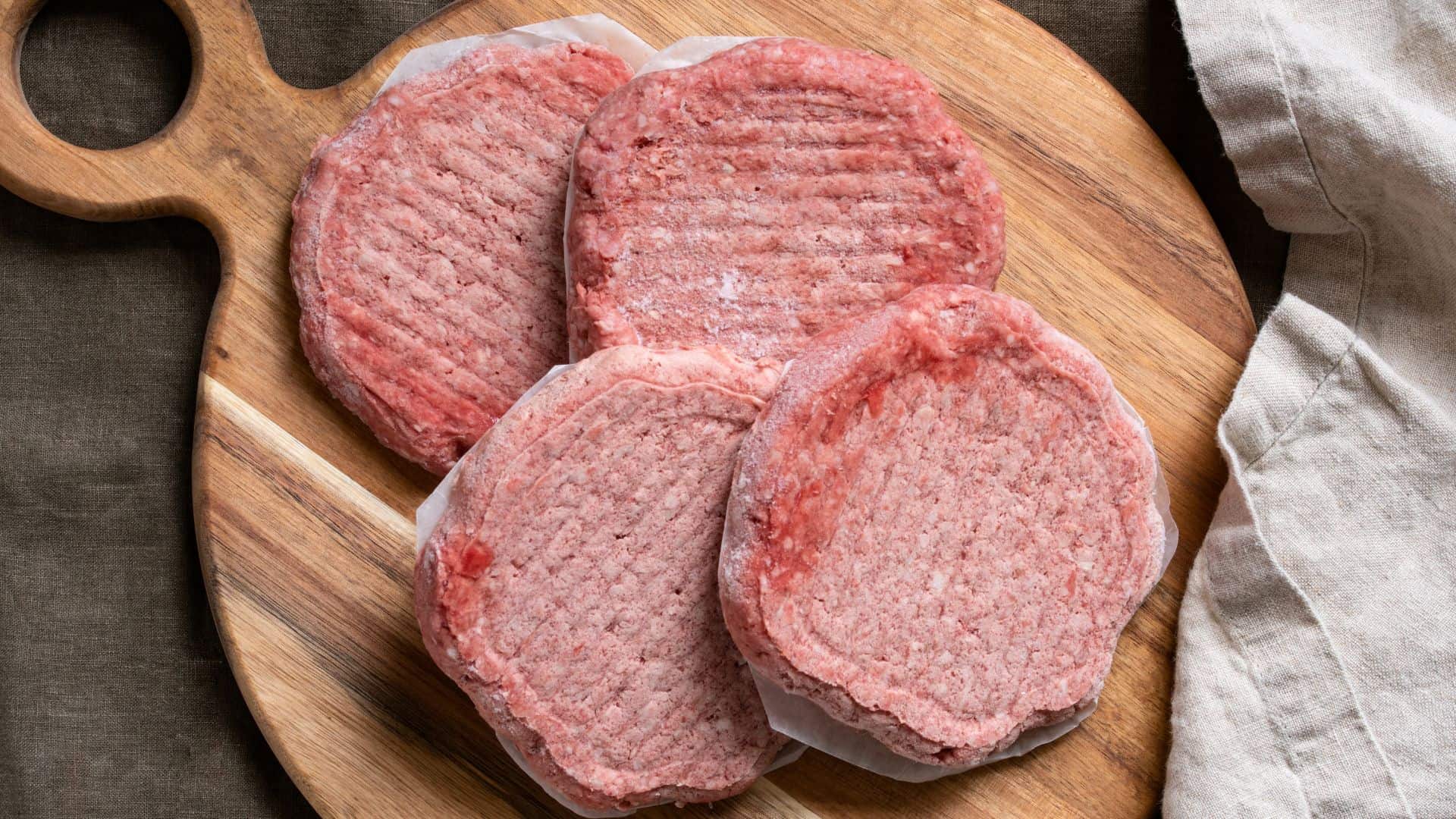
There are several thawing practices that should be avoided altogether:
- Do not leave meat on the counter. The surface of the meat can warm to unsafe temperatures before the center is defrosted.
- Do not thaw in hot or warm water. These conditions allow bacteria to grow rapidly on the outer layers.
- Do not thaw in uncontrolled environments, such as outdoors, garages, or cars. Temperature fluctuations make it impossible to keep food below 40°F.
- Do not thaw using ovens, dishwashers, or similar appliances. These create uneven heating and may cause partial cooking without eliminating bacteria.
- Follow the thawing timings, and don’t leave the meat in cold water, or microwave it longer than recommended.
Even when the center of a large cut is still frozen, the outside may already be in the danger zone. Maintaining cold, consistent conditions is the only reliable safeguard.
Safe thawing keeps your food fresh and reduces the risk of illness. Following the proper methods helps prevent waste and keeps meals safe to consume.
Leave a Reply