
Thanksgiving turkey prices are expected to rise as farmers deal with smaller flocks, ongoing bird flu outbreaks, and higher production costs. The increase comes right before Thanksgiving, as millions of families face uncertainty about food assistance during the federal shutdown. Retailers like ALDI and Walmart are offering low-priced holiday meal packages to help families get through the holiday season.
Wholesale turkey prices hit their highest level in years
As CBS News recently reported, a September outlook report from the United States Department of Agriculture estimates that wholesale prices for frozen turkeys will be $1.32 per pound this year, a 40% increase from 2024's average of $0.94 per pound.
Wholesale prices reflect what stores pay before discounts are applied. Supermarkets can lower the impact through promotions, but that only goes so far. Even though supermarkets may absorb some of the increase or promote deals, tighter margins are unavoidable.
What is driving the turkey price surge
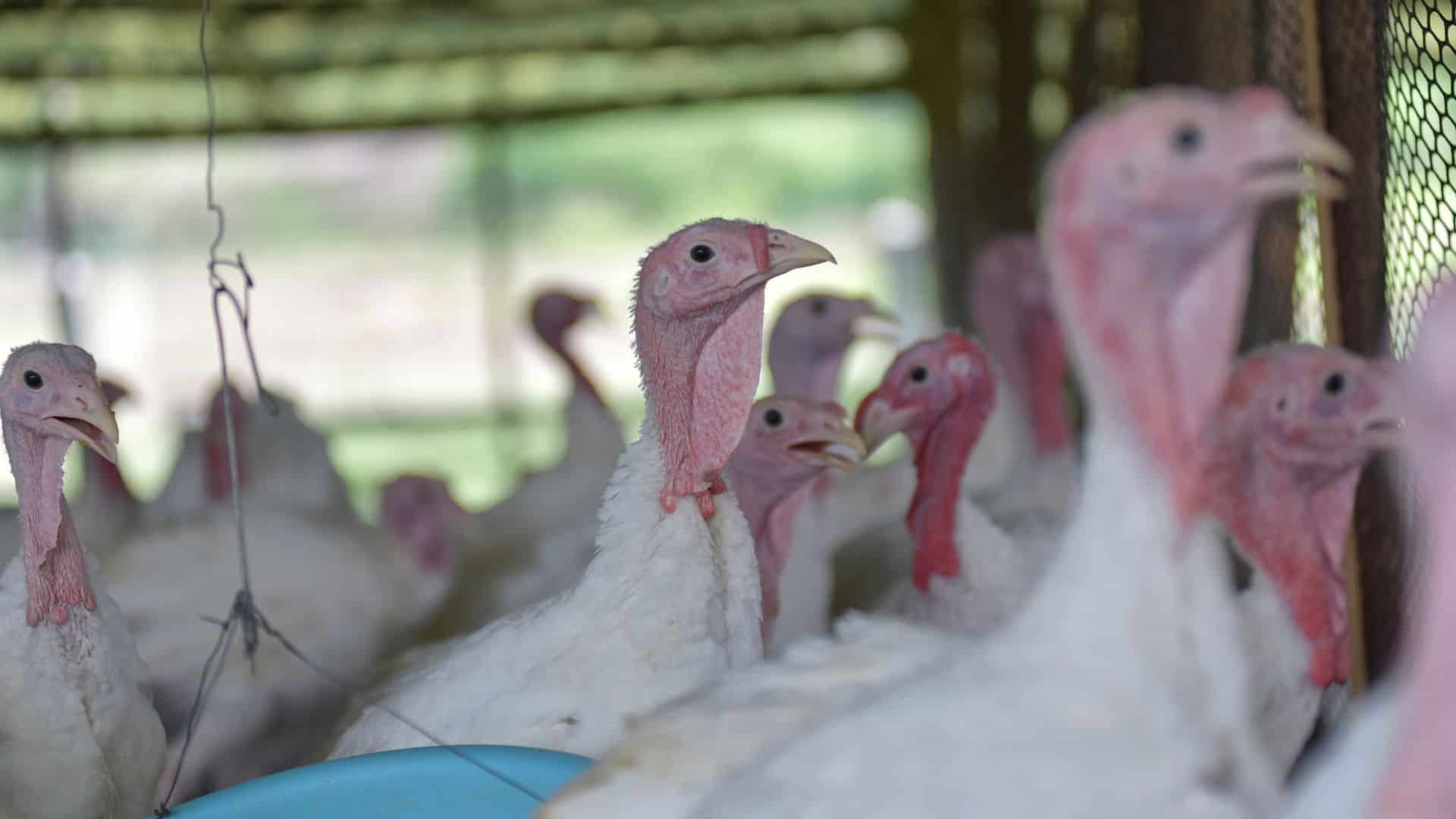
The American Farm Bureau Federation reports that turkey prices are rising mainly because of ongoing disease outbreaks and long-term declines in production. Two major viruses, highly pathogenic avian influenza (HPAI) and avian metapneumovirus (AMPV), have caused severe losses across U.S. farms.
Since 2022, these diseases have affected more than 18 million turkeys, and in September 2025 alone, about 600,000 were impacted in the upper Midwest as cooler weather and waterfowl migration spread new infections. “These production challenges shouldn’t have any impact on consumers’ ability to get turkey, but they may translate to higher retail prices this holiday season”, AFBF Economist Bernt Nelson said.
Families are already under pressure due to SNAP will not be issued
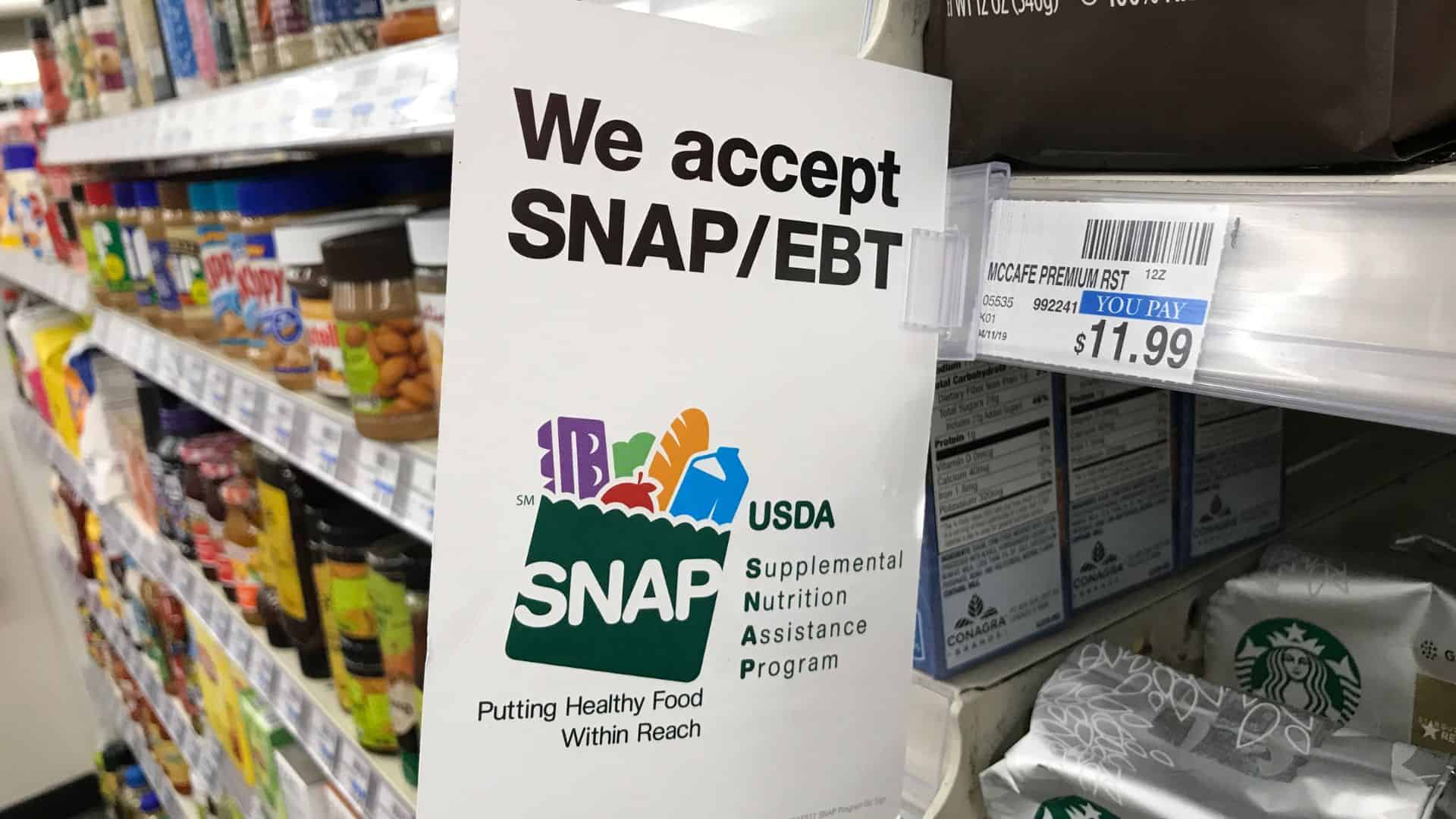
This price surge is occurring at a time when many families already face uncertainty about food assistance. Because of the ongoing federal government shutdown, the U.S. Department of Agriculture’s Food and Nutrition Service (FNS) has notified all states that November funding for the Supplemental Nutrition Assistance Program (SNAP) will not be issued. Nationwide, the program serves about 42 million Americans, including working families, older adults, and individuals with disabilities.
At the same time, families are already struggling to make ends meet amid inflation and higher food prices than last year. According to the USDA, the Consumer Price Index for all food increased 0.4 percent between July and August 2025, with overall food prices 3.2 percent higher than in August 2024. Grocery prices rose 2.7 percent over the year, while restaurant and food-service prices climbed 3.9 percent.
Supermarkets are trying to ease the pressure

With grocery budgets already stretched, major supermarket chains are trying to keep Thanksgiving meals affordable. Several have announced early promotions to help families plan ahead and ease the impact of higher turkey prices.
ALDI announced a Thanksgiving meal for 10 people for $40. It features everything families need to make their holiday table memorable, including turkey and ingredients for desserts and sides. The deal started on October 15 and is valid through December 24, 2025.
Walmart also introduced its 2025 Thanksgiving meal basket, serving 10 people for less than $4 per person. The basket includes more than 20 national and private-brand products and features a Butterball turkey priced at only $0.97 per pound, its lowest price since 2019. It is also offering free express delivery for first-time pickup and delivery customers.
These promotions allow families to manage rising grocery costs while maintaining traditional holiday meals.
Industry outlook: Will prices normalize in 2026?
The USDA expects turkey production to remain below average through the rest of 2025. Smaller flocks and lighter birds continue to limit overall output, though some gradual improvement is expected as conditions stabilize.
Industry analysts say 2026 could bring steadier production if costs stay manageable and bird health improves. Even so, the market will likely remain tight until farms return to normal operating levels. For shoppers, that means supply may improve slowly, but prices are not expected to fall quickly.
Leave a Reply