
Prices for Thanksgiving foods and household goods are expected to rise this year as tariffs increase costs across the supply chain. Import taxes on materials, packaging, and equipment are putting pressure on farms, manufacturers, and retailers, leading to higher consumer prices.
What tariffs are
Tariffs are taxes that the government charges on imported goods. They’re meant to protect local industries or encourage countries to renegotiate trade terms, but the practical result is often higher prices for shoppers. When import costs rise, manufacturers and retailers adjust prices to protect margins, shifting some of the burden to consumers.
Recent U.S. tariffs cover a broad range of goods, including steel, aluminum, and electronics. Even products not directly taxed often rely on imported parts or materials that are. As those added costs move through factories, distributors, and retailers, they impact the final prices on the shelf.
While tariffs are hitting big-ticket categories like electronics, clothing, and home goods the hardest, food prices aren’t escaping the ripple effects either. Analysts warn that higher import duties are already pushing up the cost of packaging materials, produce, and certain pantry staples.
How tariffs impact food prices
Tariffs are one of several factors adding pressure to holiday food costs this year, but they are not the only reason. The poultry sector, in particular, continues to face separate economic and disease challenges that are driving up wholesale prices.
According to the American Farm Bureau Federation, turkey prices are expected to be about 40% higher this fall compared with a year ago. The increase is due mainly to outbreaks of Highly Pathogenic Avian Influenza and Avian Metapneumovirus, which have affected millions of birds since 2022. Cooler weather and seasonal migration have led to new detections across major turkey-producing states.
Supplies should still meet demand, but shoppers can expect slightly higher prices even with the holiday discounts many stores plan to offer.
Thanksgiving ingredients affected
While most stores are offering seasonal discounts, certain ingredients are priced higher than last year, and shoppers may notice small increases on their holiday grocery lists.
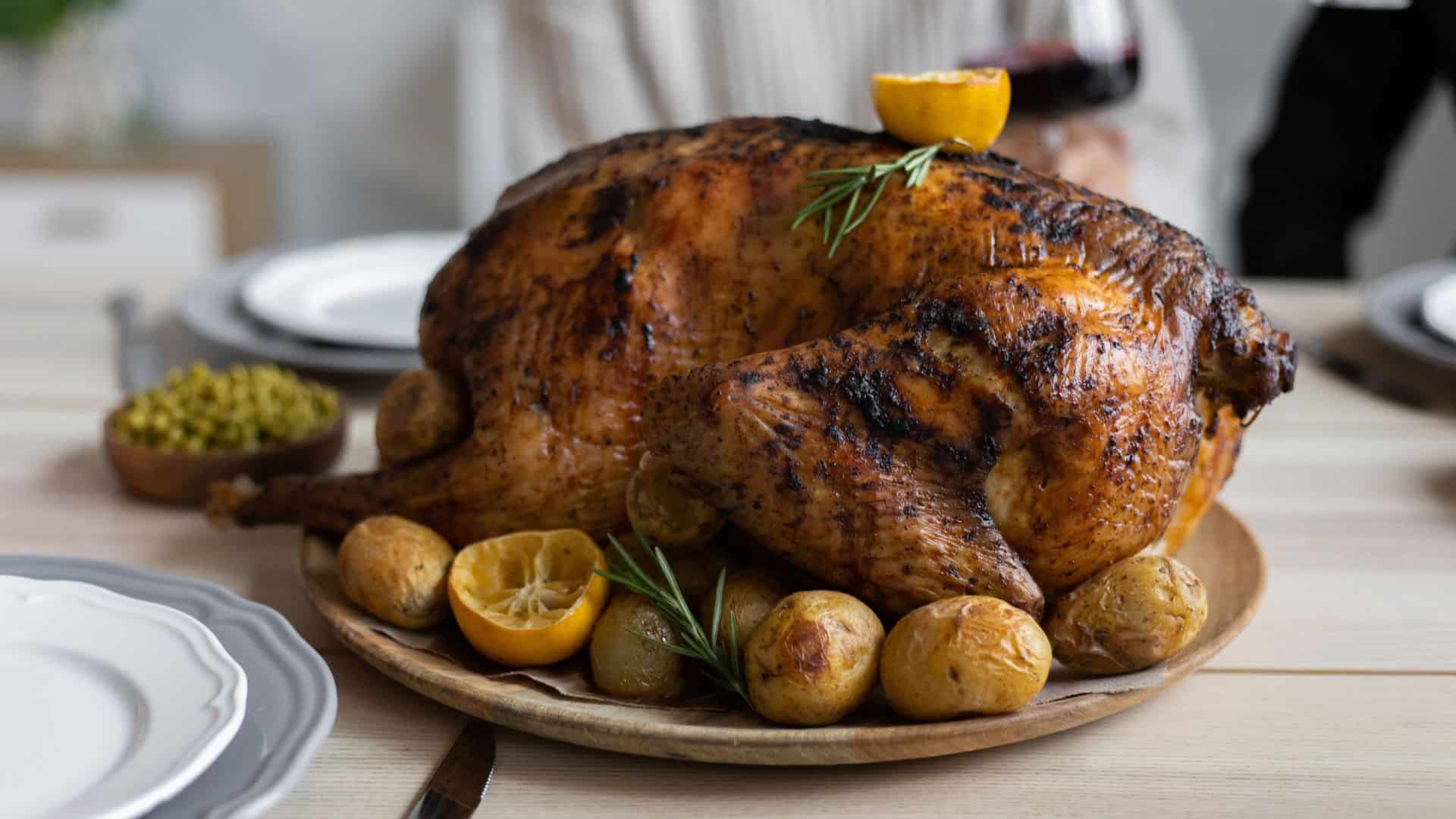
Turkey: Feed prices and equipment costs are both higher, making the main course more expensive for farms and supermarkets.
Sugar and sweeteners: New import restrictions and tariffs on specialty sugars are expected to raise costs for products that rely heavily on imported sugar.
Wine and spirits: Tariffs on European beverages have added to the cost of imported bottles that many families enjoy with Thanksgiving dinner.
Any other imported products: Think avocados, berries, tomatoes, peppers, limes, coffee, etc. Target CEO Brian Cornell warned that produce prices could rise once the tariffs hit.
Why is it worse this year
Many companies increased their import volumes earlier in the year to keep prices stable before new tariffs took effect. That short-term strategy helped delay higher costs through much of the summer, but those inventories are now nearly depleted, pushing retailers to adjust pricing.
While average increases remain below 10 percent, more products are now being affected. However, some products, particularly in electronics and home goods, have seen significant price increases, which experts say are unlikely to reverse.
Continuing uncertainty around trade policy and sudden changes, such as an additional 10% tariff on goods from Canada, do not help to stabilize prices on imported goods. Retailers face a challenging situation when planning inventory and setting prices, given that policies change almost daily.
The missing SNAP benefits will further impact buying power this year. The USDA confirmed on its website that no SNAP benefits will be issued after Nov. 1. This means 42 million Americans who rely on the Supplemental Nutrition Assistance Program (SNAP) won't receive support for their grocery budget.
Real cost impact
Customers are beginning to feel the difference in how much everyday items cost, even when prices don’t appear to change dramatically. Many stores are offering fewer discounts than in past years, which means shoppers are paying more overall.
The State of Consumer Holiday Shopping Report shows that many shoppers are delaying purchases because they are unsure whether prices will rise or fall. Many shoppers may wait until the end-of-year sales to begin their purchases.
“The data is clear; retailers and brands might get fewer chances this season to win over new customers and strengthen loyalty. So, when those moments come, every experience has to hit the mark. There’s just no room for missteps", said Brian Cooper, Chief Marketing Officer, project44.
How to save money
Food and household costs are rising, but with careful planning, families can reduce their spending this holiday season.
Set a budget ahead of time
Plan your expenses before you shop to prevent last-minute overspending. Write down what you need and how much you can spend on each item. A clear list helps you focus on essentials and skip impulse purchases that raise the final bill.
Shop early
Buy pantry items and frozen goods early to lock in lower prices. Grocery stores often raise prices as demand grows closer to Thanksgiving week. Shopping in advance also helps avoid crowds and out-of-stock products.
Look for special deals
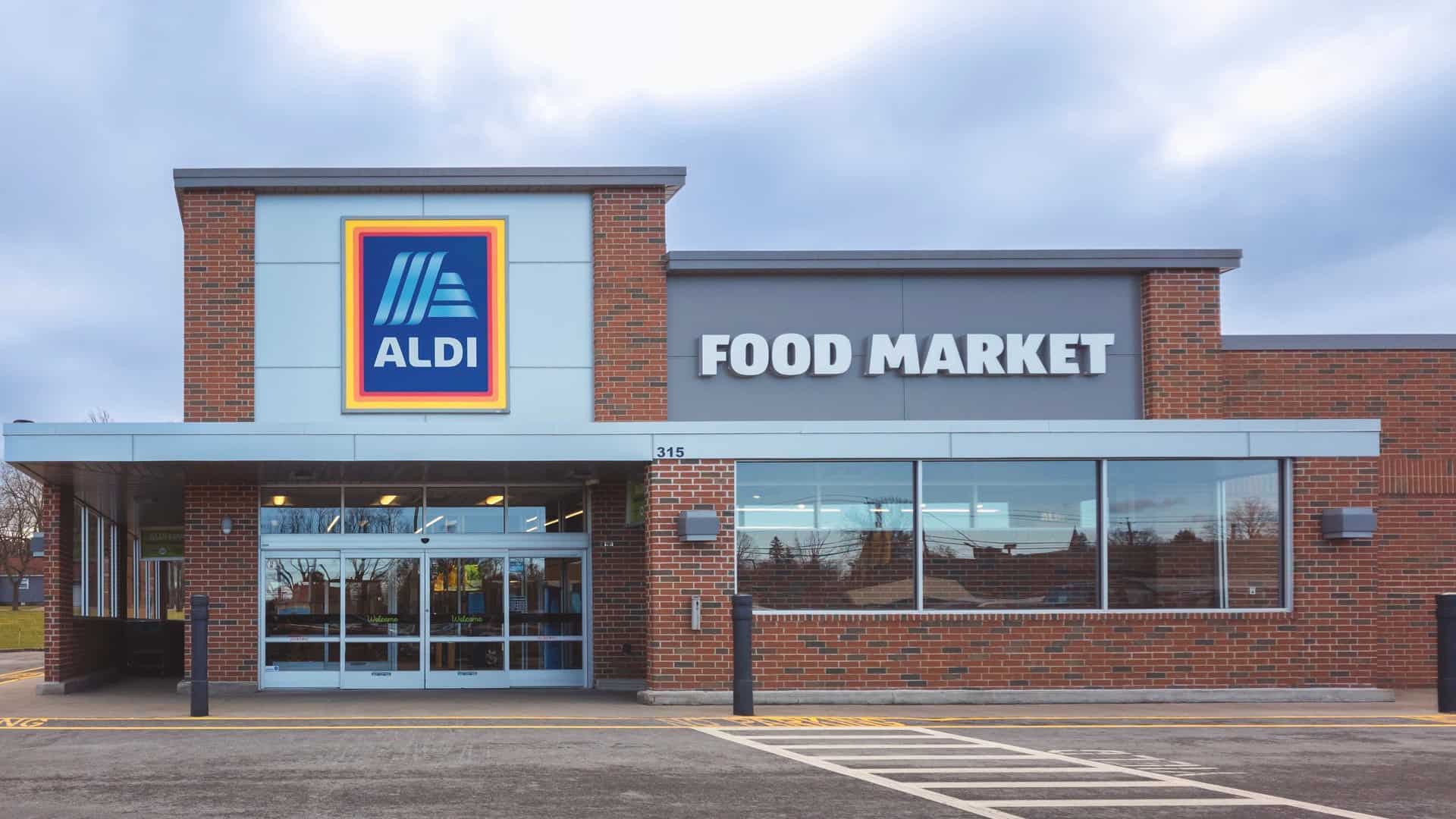
Some grocery chains are introducing special offers to make Thanksgiving more affordable. Stores such as ALDI and Walmart are offering Thanksgiving meals for as low as $40, helping families host dinner without overspending.
Be flexible
Stay open to substitutions if certain items are too expensive. Store brands often cost less than name brands and are similar in quality. Adjust to the recipes and use what's on sale; it can help keep the meal within budget.
With careful planning, shoppers can still manage their budgets, but the overall cost of celebrating Thanksgiving in 2025 will remain higher than it was a year ago.
Leave a Reply