
Grocery shopping has quietly become one of the biggest expenses for American households. According to the U.S. Bureau of Labor Statistics, food prices went up 2.9% over the 12 months. With groceries taking up a bigger share of household budgets, many people are actively looking for ways to save.
A Reddit user recently asked for ways to cut back on grocery bills, and people shared many suggestions that have helped them keep their expenses in check.
The story
The post on Reddit asked people to share their best grocery rule, something that truly worked for them in reducing grocery bills. The user gave examples like “pantry-first week,” “skip the snack aisle,” “buy once, cook twice,” and “no delivery on weekdays.” They wanted real examples of what helped people spend less and how they made it a habit.
The reactions
One of the most popular ideas was avoiding impulse shopping by ordering online. One person said, “Online grocery orders. It saves us so much money because we aren’t browsing and can stick to meal plans. It is free to order and pick up at most stores.”

That one rule removes the “walk down every aisle” trap. When you order online, you only buy what you need and avoid looking at unnecessary items. You also see the total before you pay, which makes it easier to remove extras. There are delivery charges, but they’re still less than what people would pay on a single trip to the grocery store.
Someone else agreed and explained how they use pickup to stay consistent, rather than going into a store: “I only do grocery shopping via pickup now. It makes me stick to a list and also lets me take time to shop the sales. The downside is that I don’t get to pick my own produce.”
Another person shared how they don’t shop until they really need it, “Before heading to the store, asking ‘can we go one more day’ as in, can we make reasonably healthy meals for the family one more day before we need to head to the store. What can we use up? What’s about to go bad? Can we add staples to that to make a meal?”

I can confirm that this works, as I have been doing it for several years now. The best way to reduce your grocery bill is by using what you already have in your fridge or pantry. You can make soup out of leftover vegetables, make a quick pasta with the small amount of macaroni sitting in your pantry, or mix different grains for a side dish instead of buying new packs. This will stretch your grocery cycle by a few days, saving you money while also reducing food waste.
Several people mentioned that comparing unit prices helped them notice better deals. One person said, “Compare products by price/kg, etc.”
Stores often make packaging confusing. A “family size” bag or bright yellow sticker doesn’t always mean it’s cheaper. The easiest way to check is by looking at the price per ounce, which most stores display on the shelf label. If the price difference is slight but the quantity is double, it is worth buying since it will last you a long time.
Then there’s the rule most people know but still ignore: “No soda, no chips, no candy”
Cutting out snacks and soft drinks makes a big difference in the grocery bills. I noticed that when I stopped buying soda weekly, I drank more water, and my grocery bill dropped right away. I buy snacks only occasionally now. When I crave something sweet, I make a quick no-bake dessert, like mini tiramisu cups that take only a few minutes to prepare.
A few comments talked about meal planning and reusing food to avoid waste. Someone commented:
“Planning a two-week menu that uses each meat twice, baking my own baked goods, going by a list, and nothing extra. Reusing leftovers—using them for lunches, putting them into dough for hot pocket-style snacks. Getting to know the manager's special schedules of the stores around me. I've done these things for a few years now, and have dropped our grocery bill by 50 bucks.”
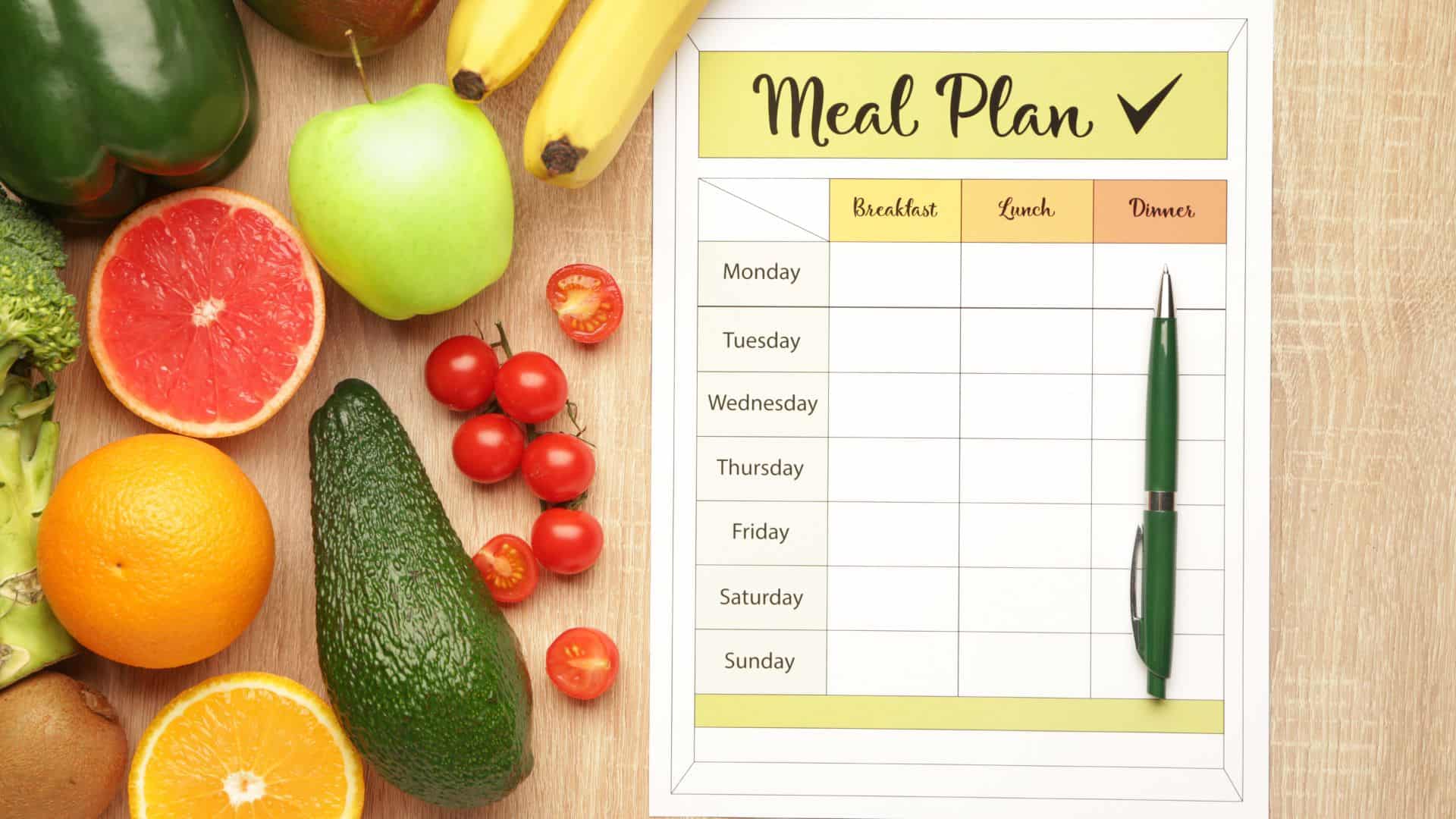
Planning meals gives you a clear list of what to buy and what not to. Using the same ingredients in different ways, like cooking chicken once for dinner and using the leftovers for sandwiches, will avoid food waste and provide a new meal.
I usually track when stores mark down items like meat or bakery goods, so I plan shopping trips around that.
Some users focused on health habits that also save money on groceries: “Eating healthy, cutting ultra-processed food, weighing my food, and calorie tracking.”
This helps with portion control and food waste. When you measure what you eat, you stop overbuying. Instead of eating an all-meat plate, you can add other filling options like chickpeas, mashed potatoes, rice, or salad on the side. It stretches the meal and saves money at the same time.
I’ve noticed that once I stopped buying processed snacks or frozen meals, my grocery list has gotten shorter. I buy a few items overall, like vegetables and grains, and use them in many ways.

One person shared their hack of freezing meals so they don’t have to shop a lot: “Bulk cook and freeze cheap food like chickpea masala, veggie chili, and rice. When in doubt, freeze it. Stay out of the stores for as long as possible.”
Cooking a few big meals and freezing portions means you always have something ready to eat, even on busy days. It also keeps you from running to the store when you don’t need to. Freezing food like this makes life easier and saves a lot of money on monthly grocery bills.
Price matching and loyalty programs helped others stay flexible.
“Don’t stick with one store. Shop the flyers every week, join loyalty programs, and take advantage of price matching. The biggest thing is to make sure you actually use what you buy. Wasted food is the biggest waste of money.”
Switching stores for better prices can help lower the grocery bills, but it only works if you buy what you need and actually use it. Check the flyers for things you already planned to buy and stick to those plans.

Making a shopping list is another rule that many people say helps them the most: “Shopping list. No more, no less. It's tempting to buy a splurge item, but then you have 10, and your bill is $100.”
If you follow your list, you spend only on what you planned. I keep mine on my phone and add to it during the week whenever something runs out. When I go to buy groceries, I already know what to get, and it’s easier to stay within budget.
Other rules that can reduce your grocery bill
Here are a few more rules that can help keep your spending in check and make grocery trips easier to manage.

Use a basket instead of a cart: When you carry your groceries in a basket, you naturally think twice before adding more. Once it starts getting heavy, that’s usually a good sign you’ve picked up enough for the week.
Never shop hungry: Going to the store when you’re hungry almost always leads to buying more than you planned. Have a snack or a meal first. It’s easier to make good choices when you’re not thinking about food the whole time.
Buy generic brands: Store brands can save you a lot of money, and most of the time, they taste or work just as well as the name brands. Try swapping one or two items each week, and you’ll notice a difference in your bill.
Pay with cash: Paying with cash can help you control your grocery budget. Set a grocery budget for the week, take that amount in cash, and leave the cards at home.
Get in-season produce: Seasonal fruits and vegetables cost less and usually taste better, too. I try to plan meals around what’s in season because it’s easier to find and doesn’t cost as much.
Leave a Reply