
A few simple habits can help you use what you buy, waste less, and keep your groceries under control.
If your fridge often turns into a graveyard of forgotten leftovers and wilted produce, you’re not alone. Many people end up tossing perfectly good food simply because they lose track of what’s inside or buy more than they need.
A recent online thread caught attention with one person admitting how frustrating it feels to waste food week after week. Here’s how to stop wasting food (and cash) every week without overhauling your entire routine.
The story
Someone posted on Reddit saying they throw out around $40 worth of groceries every week. They buy groceries with good intentions, cook a few meals, then forget what is in the fridge until it's too late. They felt guilty about having to throw it all away, further mentioning. "I KNOW I should 'just check my fridge first' but I'm disorganized and honestly forget what I have."
They then turned to Reddit and asked people about low-effort ways to remember what is in the fridge before it goes bad.
They are not alone. In the United States, food waste is estimated at between 30-40 percent of the food supply. This amount of waste has far-reaching impacts on society:
- Wholesome food that could have helped feed families in need is sent to landfills.
- Land, water, labor, energy and other inputs are used in producing, processing, transporting, preparing, storing, and disposing of discarded food.
The reactions
"I like to buy ingredients specifically for recipes that I'm going to make within the next few days, and make usually 10 portions of that recipe to freeze as meal prep. Then buy the usual snacks you know you will always go for".
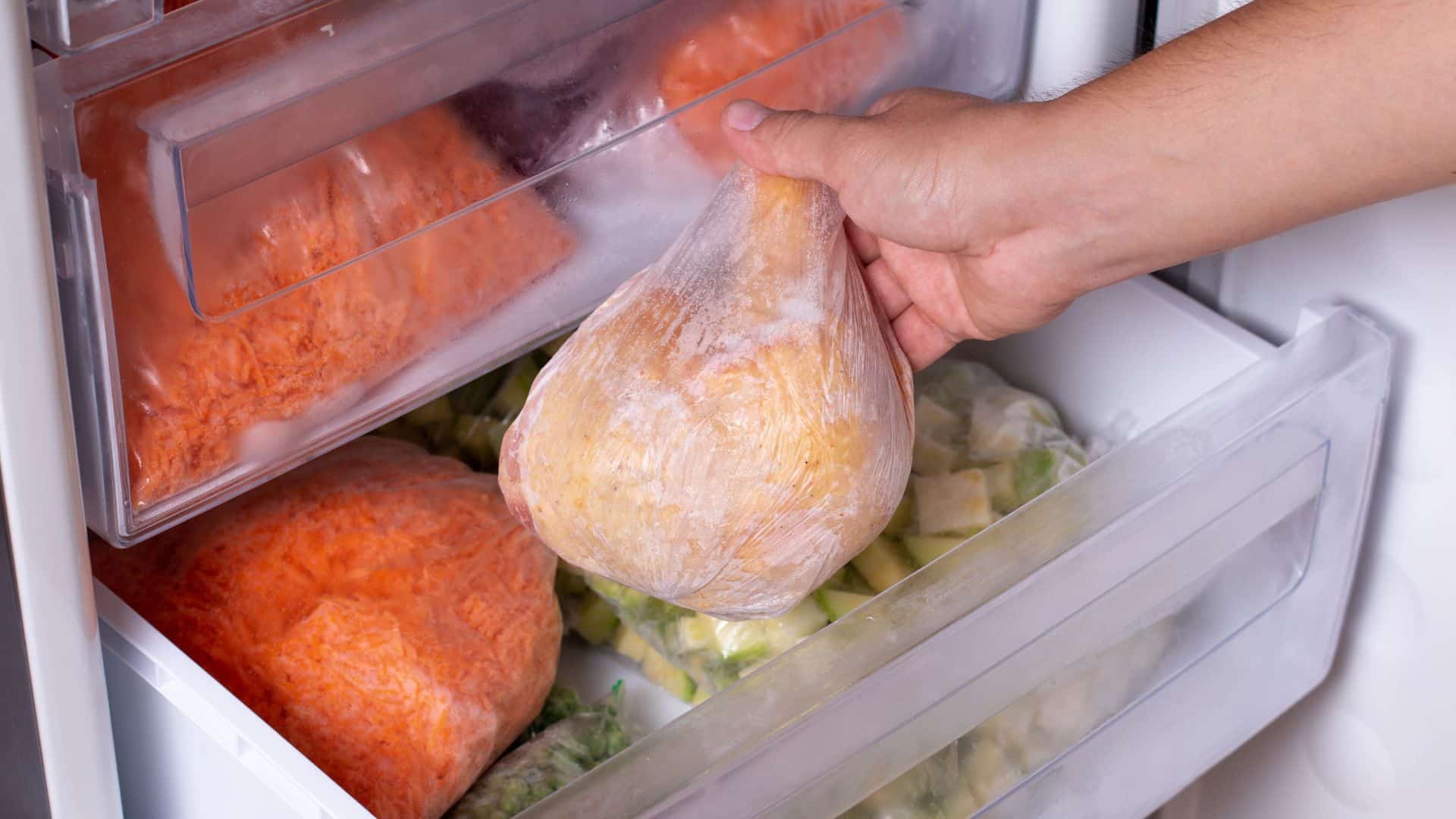
That's probably one of the simplest tricks that actually works for everyone; cook bigger portions of what you already like and freeze them. I do this with soup and pasta sauce all the time. When I cook pasta sauce in batches, I store portions in ziplock bags and freeze them. Whenever I want to cook something, I just thaw it and use it. It tastes fresh as ever, and helps me avoid food waste.
Another user mentioned, "I have a dry-erase board on my fridge, I write down what I bought as soon as I put it in the refrigerator, and list it by how soon it expires. Most perishable is eaten first, second, third, etc."
That little board might sound unnecessary, but it's surprisingly effective. You see everything at a glance, so nothing hides behind the ketchup bottle. You can write it all down, one by one, and it will help you remember everything you've bought. If you don't want to put a board, you can even use sticky notes.
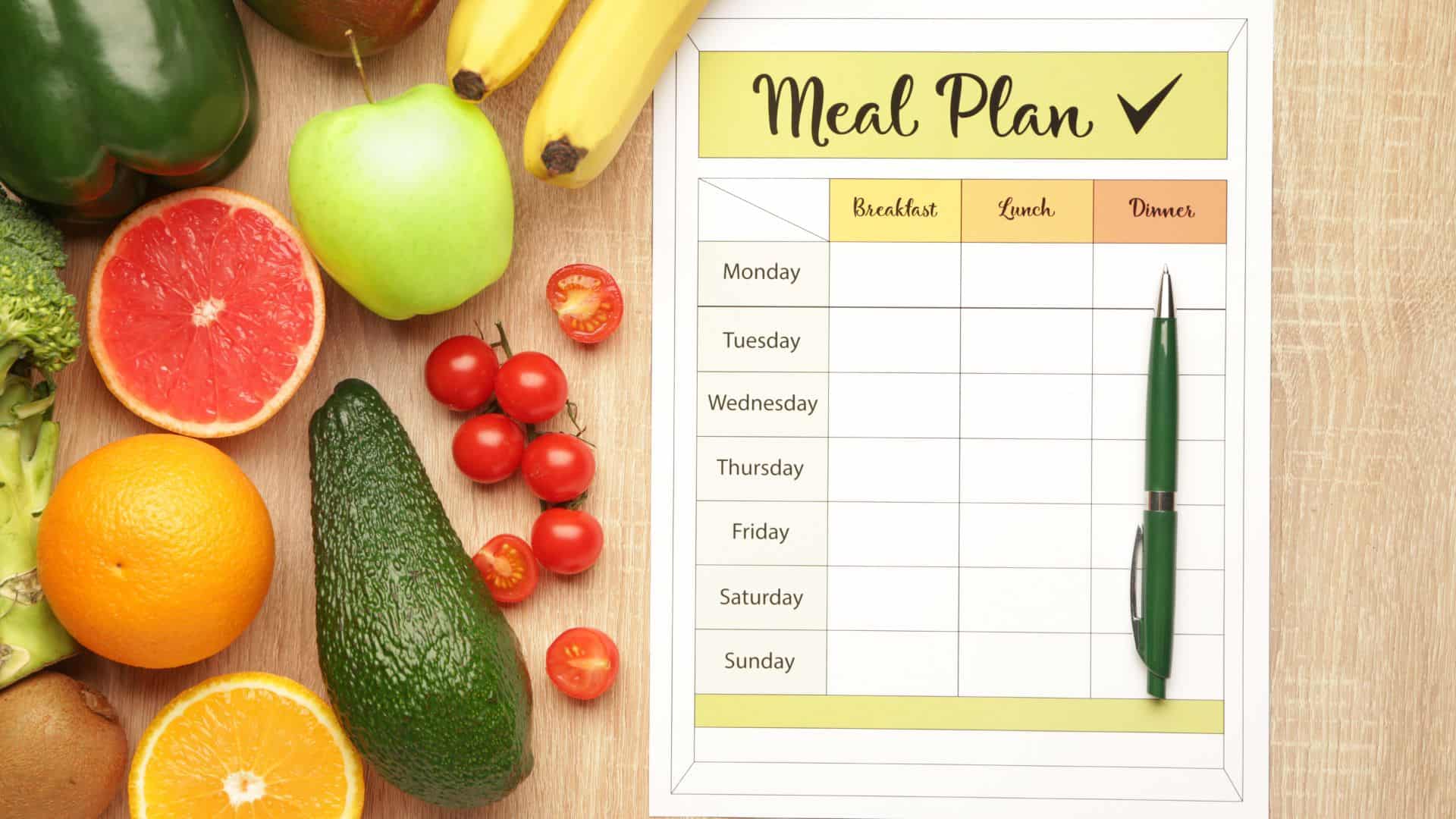
Someone else added, "Plan out your meals for the week and write them down. List them by day. Create your shopping list from your meal plan. Make each meal on its assigned day. At the end of the week, you should have used most, if not everything, you purchased."
This is one of the most effective strategies to plan your meals and avoid throwing away food. I like to start with three set meals for the week instead of seven, and shop around those meals only.
Another person recommended curbside pickup to control this habit: "What's helped me is using my store's curbside pickup. I figure out what I'm going to make for the week, and just add it to the online cart. That really cuts down on the whole 'oh, that looks good, I can make it later.' Has also reduced the shopping bill."
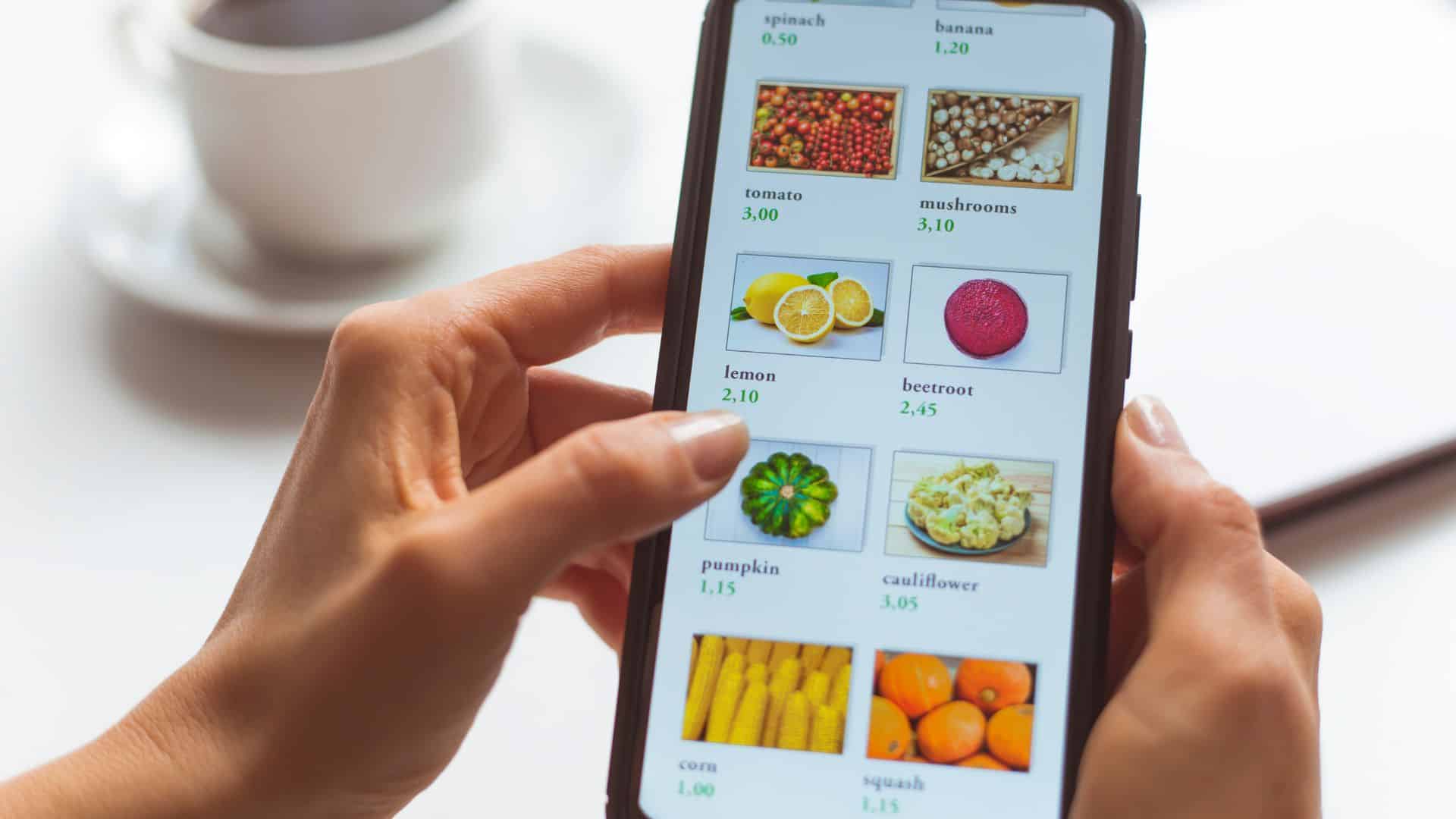
Shopping for groceries online saves you from looking at other items that you may not necessarily need. You can just add items that you really need for the week to the cart. It saves you from wandering around the aisles past displays of stuff that you may forget about in the fridge two days later.
Someone else wrote, "Don't make it harder on yourself and try to implement a whole new spreadsheet or anything. You don't need a new trick or spreadsheet—just set rules for yourself to follow. My 3 rules: You cannot go to the grocery store unless you have a list; freeze as much as you can; keep your fridge organized. Label one bin EAT ME FIRST and another LATER."
It's such a simple idea, but genuinely helpful. When you have leftovers or produce that won't last long, you can put that in the first bin. Every time you open the fridge, you see it right there, reminding you of what needs to be finished before you start something new.
Another person shared, "Write a list of what you have in the fridge every week. Check off what you use. Move expiring stuff to the front of the fridge so you can see it. You can also try shopping for fewer groceries and making more frequent trips."
When you buy less at a time, it is easier to keep in mind what's in your fridge and what's running low.
One commenter suggested buying frozen produce if you're not going to use it anytime soon: "Few different strategies I use: I buy almost all frozen vegetables. Freeze meat unless you're cooking it immediately. Buy things that won't go bad so fast, like sausages."

Buying frozen vegetables or sturdier produce like cabbage, carrots, and potatoes helps cut down on waste. These ingredients last much longer, so you're not constantly rushing to use them before they go bad. You can still cook healthy, home-style meals without worrying about expiration dates.
One more person said, "Once a week, make soup out of all the ingredients about to go off." Once you make a list of foods that are about to go bad, you can use them all and make a healthy and delicious soup out of them. Or, you can saute them and eat them as a side.
Finally, someone reminded, "All options will feel like extra work until it becomes your new norm. Find a way to organize your groceries and meals, stick to it diligently for a couple of months, and it'll be second nature."
Most of these habits may feel tiring at first, but after a while, they just become a habit. You will start noticing what you really eat and what you always end up throwing out. You learn which foods are worth buying fresh and which ones are better to keep frozen. Once you figure this out, it becomes a regular, everyday routine.
In the end, if you pay more attention to what you already have, you can make good use of the groceries before they go bad.
Why do Americans waste so much food?
Nearly 35 million people in the United States, including around 10 million children, experience food insecurity. With so many struggling to access enough food, it’s hard to understand why so much edible food ends up in the trash.
Uncovering the root causes of America’s food waste problem means examining a mix of social and economic inequality, misinformation, long-held beliefs, and everyday human behavior.
One of the leading reasons for wasted food is spoilage — or at least the perception of it. Studies show that over 80 percent of Americans throw away food that’s still perfectly safe to eat because they misinterpret expiration dates. Labels such as “sell by,” “use by,” “expires on,” “best before,” and “best by” are often confusing. Out of caution and fear of foodborne illness, many people choose to discard items that are actually still good.
Most people don’t realize that these labels serve different purposes. “Sell by” dates are meant for retailers to know how long to display a product for sale. “Best before” or “best by” dates indicate when a product is at its peak quality, not when it becomes unsafe. “Use by” dates are typically a manufacturer’s estimate of when food might start to lose freshness, while “expires on” generally applies to items that could become unsafe after a certain point, like baby formula or some dairy products.
In most cases, these labels reflect quality rather than safety.
Leave a Reply