
Everyone has their own fix for bitter coffee; some add extra milk, others go heavy on sugar or flavored creamer. But a recent Reddit thread has coffee drinkers rethinking everything after one user shared a tip that sounds strange at first: adding a pinch of salt.
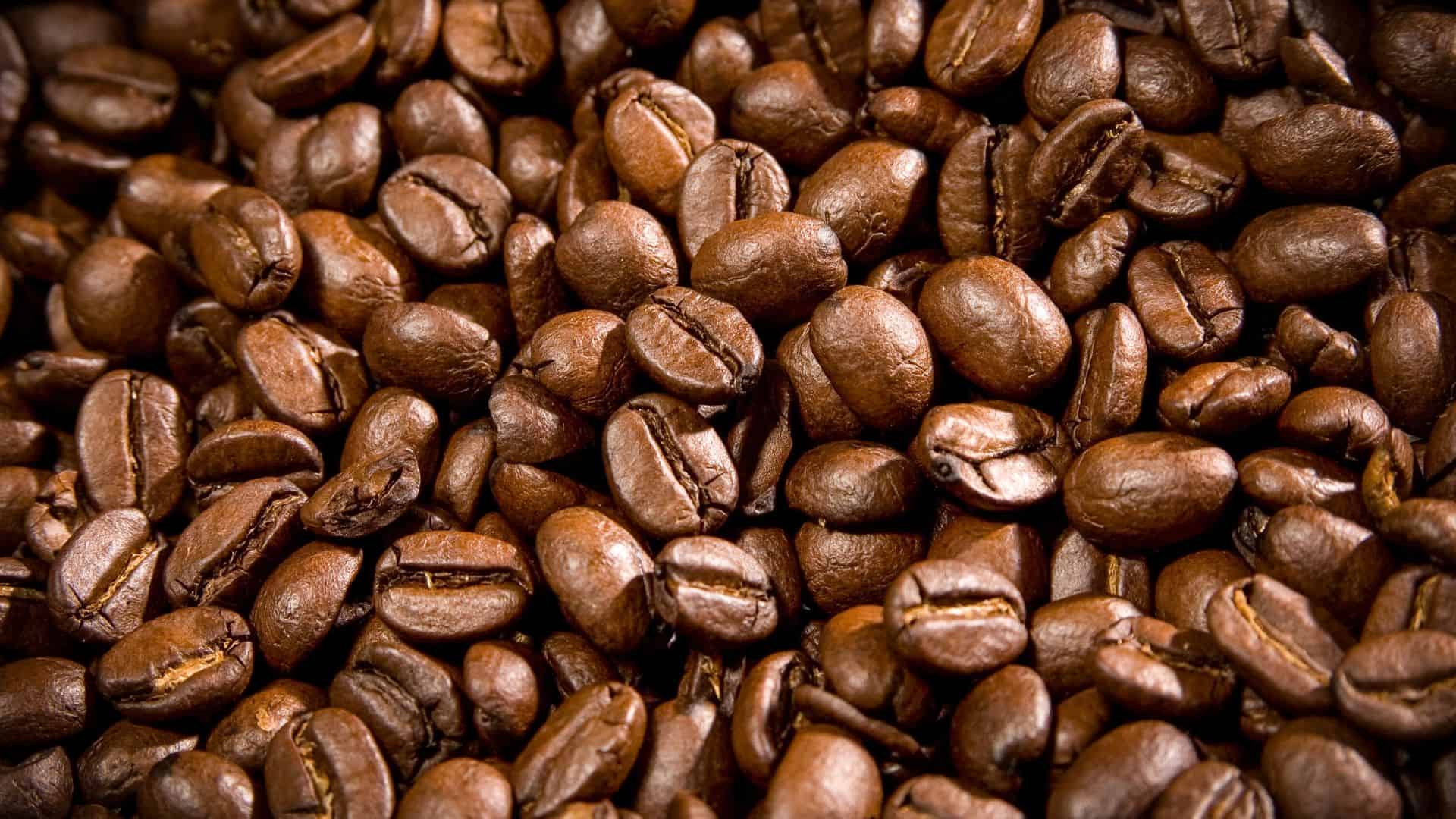
The story
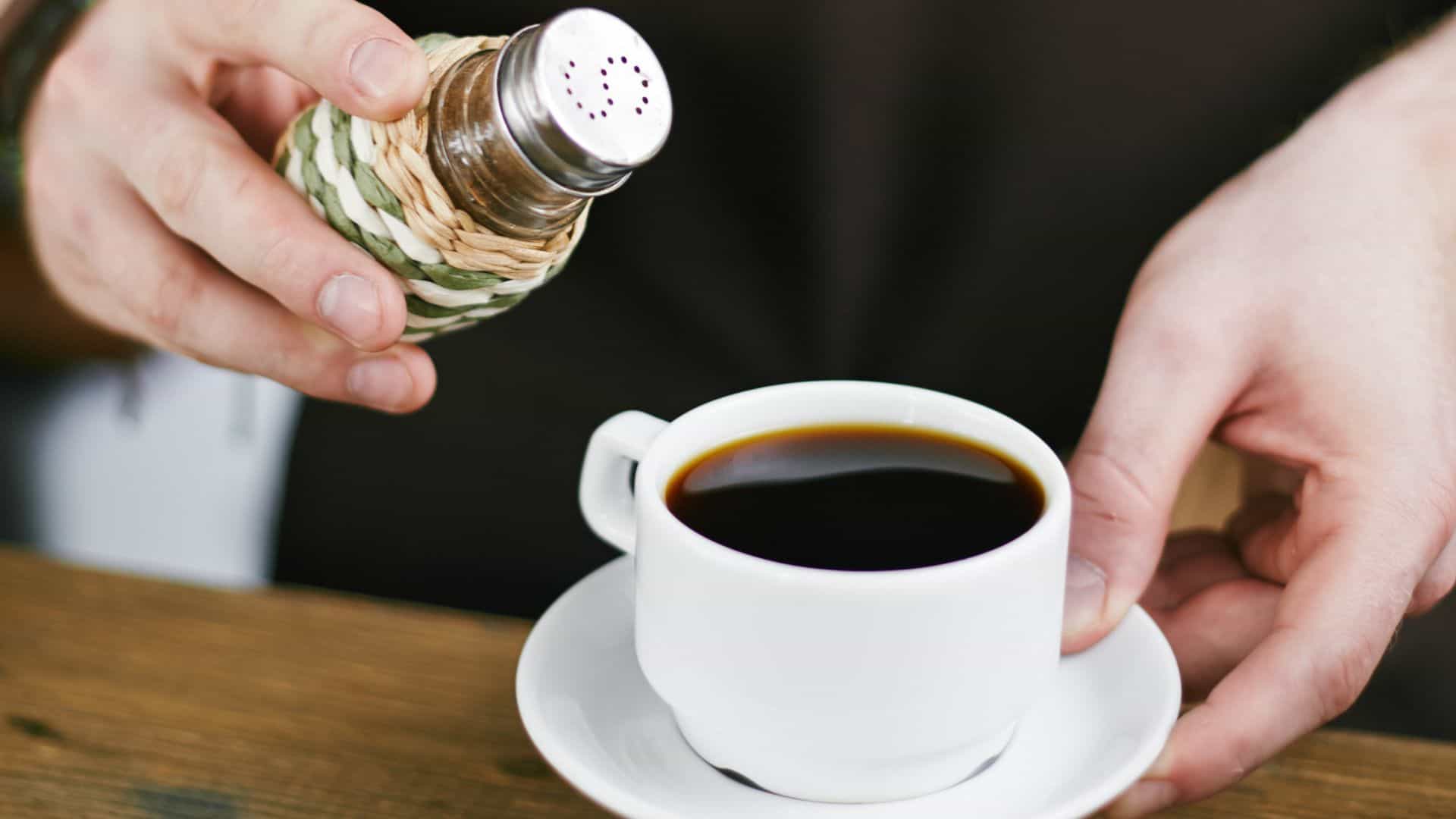
A Reddit user recently shared a simple trick that changes the taste of their coffee. They started adding just a pinch of salt to the coffee grounds before brewing. It was something they'd seen in a random cooking video and assumed wouldn't work, but after a week of trying it, they said their morning cup tasted smoother and less bitter.
The bitterness was gone, and the coffee tasted smoother without any sugar or cream. They then asked the community. "Anyone else have weird little flavor hacks like that that just work?"
Coffee lovers from all over shared their own tricks, they've tried to tone down bitterness, bring out flavor, or make a cup taste more balanced.
The reactions
One person said, "This works best for cheap coffee." Someone else replied, "In the sense that cheap coffee has more bitterness that needs covering, yes. But it doesn't hurt in fancy coffee either."
Many agreed that salt smooths out bitterness, especially in darker or lower-quality blends. It doesn't change the flavor; it just softens that harsh edge that makes coffee taste too strong, which many people don't like.
Another user said, "I've heard this referred to as 'Navy Coffee." This method cuts the bitterness of water that sits in a tank for a long time. Not in the navy, but I do this myself in the French Press every morning: pinch of salt and a dash of cinnamon. That's my coffee."

The term Navy Coffee dates back decades to when sailors brewed coffee on ships using stored or seawater, which often tasted flat or metallic. Freshwater wasn't always easy to come by, and coffee was one of the few comforts on long deployments. Adding a bit of salt helped mask the stale taste and toned down the bitterness from over-brewed grounds.
A few people raised concerns about sodium. One said, "A good hack, but not good if you already have too much sodium in your daily food intake." They offered another tip: "I now use a bit of baking soda (after the coffee is brewed) to counteract all the bitterness and acidity in coffee. It might not be better for flavor, but it just really helps my stomach".
Baking soda is alkaline, so it helps reduce acidity and makes coffee easier on the stomach. It's something I've heard from people who drink several cups a day, but cannot handle the acid. I've tried it myself once or twice, and while the taste isn't dramatically different, it really does make the coffee smoother and less intense.
Other users mentioned different flavor boosters. "I use salted butter…," one said, and another replied, "This is the way. Kerrygold butter in coffee for me." Butter coffee, or "bulletproof coffee," became trendy a few years ago, known for its creamy texture and rich taste without added sugar. You can also use coconut oil, as it's a bit sweeter.
Another person said, "I add a pinch of cinnamon to mine. Can't taste it, but it cuts the bitterness." Someone else added that they sprinkle cinnamon on the filter before adding the grounds. They said, "I started dusting the filter before I added the coffee grounds. I use non-dairy creamer, and the brand I prefer made a Cinnabon flavor that only came in a small jug. The cinnamon/ hazelnut creamer tastes pretty close."
Many coffee drinkers in the thread strongly recommended cinnamon. One commenter said, "In my culture, the elders would either put grated cinnamon or would grate fresh nutmeg in the grounds before putting the moka pot on the stove to brew." When asked where that came from, they said, "Dominican Republic."
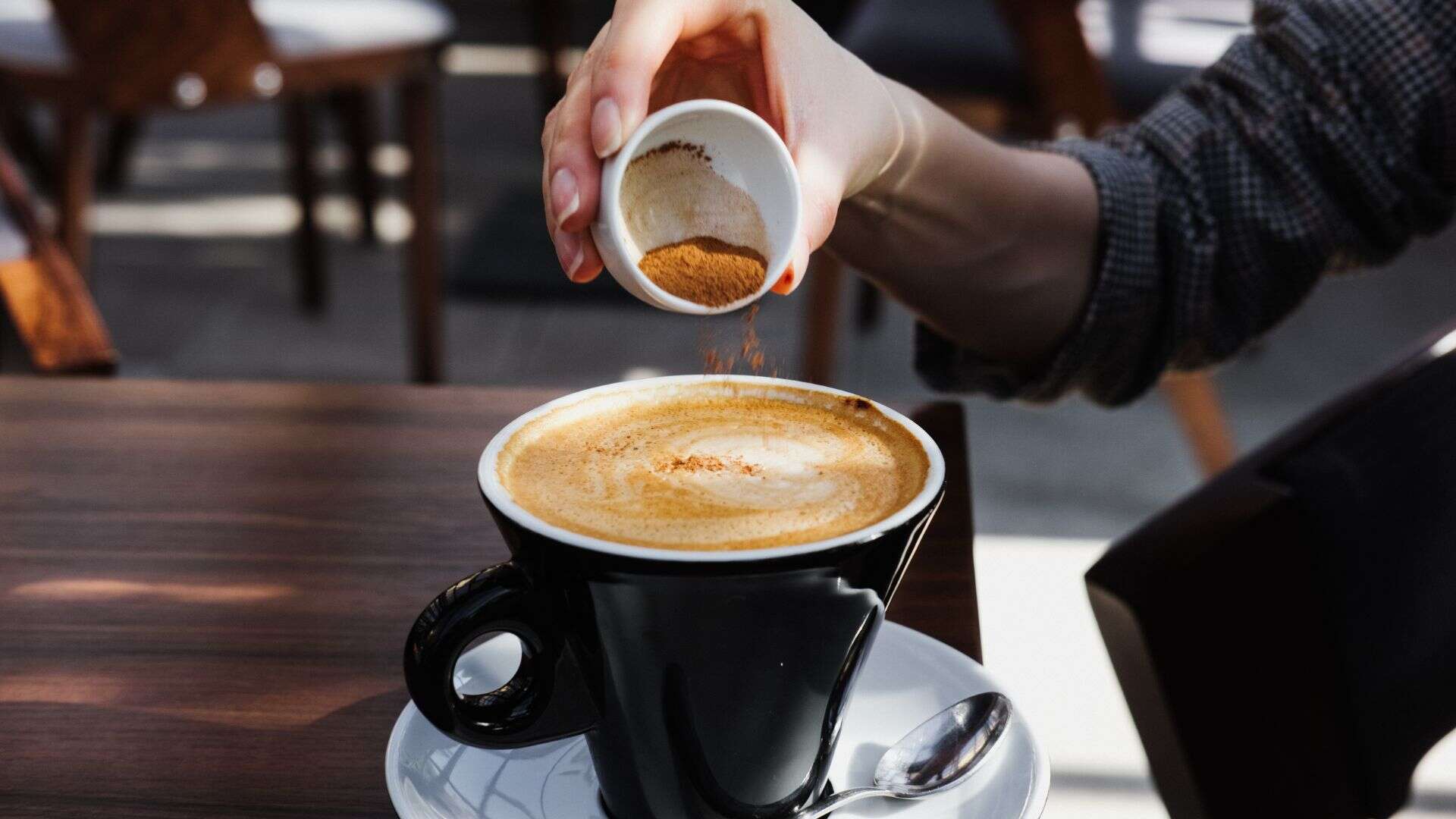
Coffee in the Dominican Republic is strong, dark, and rich, but small touches like spice balance the flavor. The smell of cinnamon or nutmeg fills the kitchen before the first cup is poured, and the taste is smoother and rounder, something many home brewers try to copy today.
And then some recommended the most aromatic additions. "I saw someone post cardamom as an addition to coffee (yes, it's good) - I also learned from an older Greek couple to add a few anise seeds to the top of the grounds before brewing espresso (works for other brew methods too). It's really good, worth a try."
Cardamom and anise are common in Middle Eastern and Greek coffee traditions. They give it a mild sweetness and a warm aroma that makes the drink taste richer and more comforting.
What are the different types of coffee?
Most coffee comes from two main kinds of beans, Arabica and Robusta. Each has its own flavor and intensity.
Arabica beans are generally considered higher quality and have a smoother, sweeter, and more delicate taste. Arabica coffee is usually described as light and aromatic, with a balanced flavor that makes it popular in most cafés and specialty blends.
Robusta beans, on the other hand, have a stronger, more intense flavor. They contain almost twice as much caffeine as Arabica and are known for their earthy, bitter, and sometimes woody taste. Robusta also creates a thicker crema, which is why it's often used in Italian espresso blends for extra body and a richer mouthfeel.

What are the four types of coffee roasts?
Roasting is one of the most important steps in how your coffee tastes. The longer the beans roast, the darker and richer the flavor becomes. There are four primary roast levels that most coffee falls into:
Light roast
Light roast beans are roasted for the shortest time with an internal temperature of 356°F - 401°F, usually stopping right after the first "crack." They stay dry and light brown, without any oil on the surface. This roast keeps more of the bean's original flavor and caffeine, giving the coffee a slightly tangy or citrus taste.
Medium roast
Medium roast beans are roasted a little longer, burned to temperatures of 410°F to 428°F. They have less acidity but a greater body than light roast beans. The majority of Americans consume medium-roasted coffee due to its balanced taste.
Medium-dark roast
These beans are roasted a bit longer, around 437°F to 446°F. You'll notice a light shine of oil on the surface and an intense flavor, with just a little bitterness. This roast is often sold as "Vienna" or "Full City."
Dark roast
Dark roast beans stay in the roaster the longest, usually between 482°F and 488°F. The taste is bold and smoky, sometimes with a hint of caramel. Though the dark roast coffee tastes stronger, it actually has the least amount of caffeine of all.
How to brew a perfect cup of coffee?
No hack works well without a good base. A perfect cup of coffee starts with the right temperature, grind, and water.
Water that's too hot can burn the grounds, creating bitterness that no amount of salt or sugar can fix. The ideal brewing temperature sits between 195°F and 205°F, hot enough to give a balanced flavor.
The grind size matters just as much. Coarse grounds work best for a French press, medium grind for drip coffee, and fine grind for espresso. The longer the water sits with the grounds, the coarser it should be. That balance between grind and brew time decides whether your coffee tastes smooth or bitter.
Leave a Reply