
Many shoppers believe they are helping when they wave someone ahead in line, move a cart out of the way, or chat with the cashier. To the people waiting behind them, those small courtesies can drag out a trip that is already stressful. The grocery store has become a setting where politeness is not always received the way it is intended.
Holding up the line
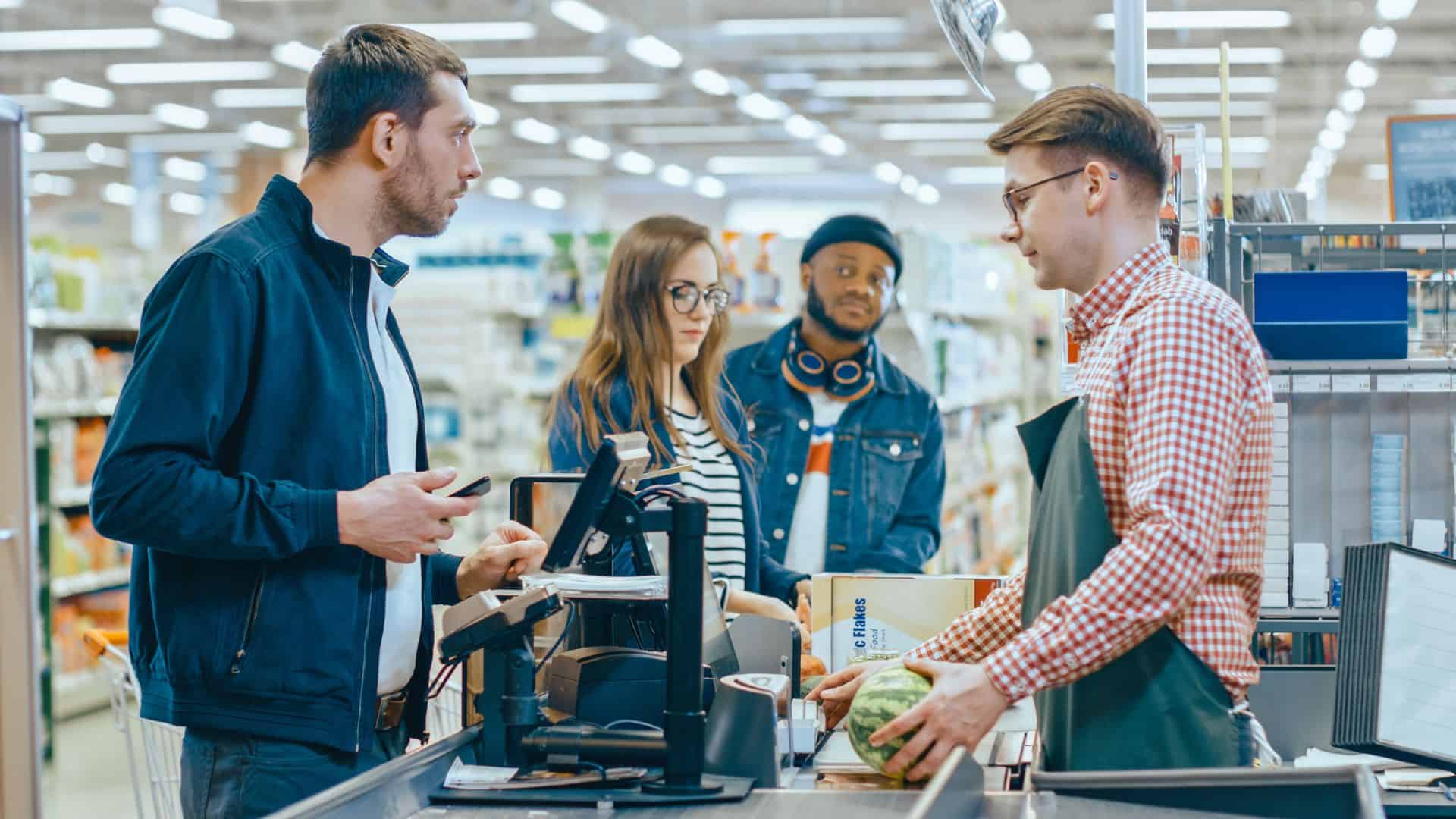
The checkout line is one of the busiest points in the store. Customers often step aside to let someone with fewer items move first. The gesture helps one person but stretches the wait for everyone else.
Extended conversations with cashiers create similar problems. A brief greeting passes quickly, but detailed exchanges about cooking tips or weekend plans stop the line. Other shoppers stand in place while the discussion continues.
This can frustrate other customers more than you think.
Stopping in the aisles
Shoppers often slide their carts to the side to clear the walkway. Instead of opening space, the carts block shelves and limit access to common products.
Crowded times make the issue even worse. A single cart placed sideways in front of milk, bread, or cereal forces others to wait. When customers stop to compare brands or help someone find an item, the aisle locks up completely.
The result is a chain reaction. A brief pause in a narrow space can quickly affect several people behind.
Payment habits that slow the line
At the register, shoppers often believe they act responsibly when they sort coupons, count exact change, or separate household purchases from business expenses. Each step adds minutes to the process.
Cashiers work through these actions, but the people in line see little progress. The effort to stay organized comes at the expense of speed. Lines extend farther, and it slows the pace for everyone.
Splitting transactions is another concern. Parents paying separately for household and business expenses often slow things down. Their intent may be practical, but others see it as inconsiderate.
Conversations with strangers

Stores are social spaces, and some shoppers use the time to strike up conversations. These exchanges typically occur near produce sections, meat counters, and bakeries.
For shoppers on a schedule, these pauses become another delay. Even short conversations hold carts in place, adding congestion. Aisles that already feel tight grow even slower when people stop to chat.
Bagging and helping hands
Bagging groceries offers another chance for misunderstandings. Some customers step in to help, thinking it will speed up the line. Cashiers say it sometimes has the opposite effect, especially if the customer rearranges items or struggles with the pace.
Helping elderly or disabled shoppers with their bags is, of course, appreciated.
Teaching kids in the checkout line
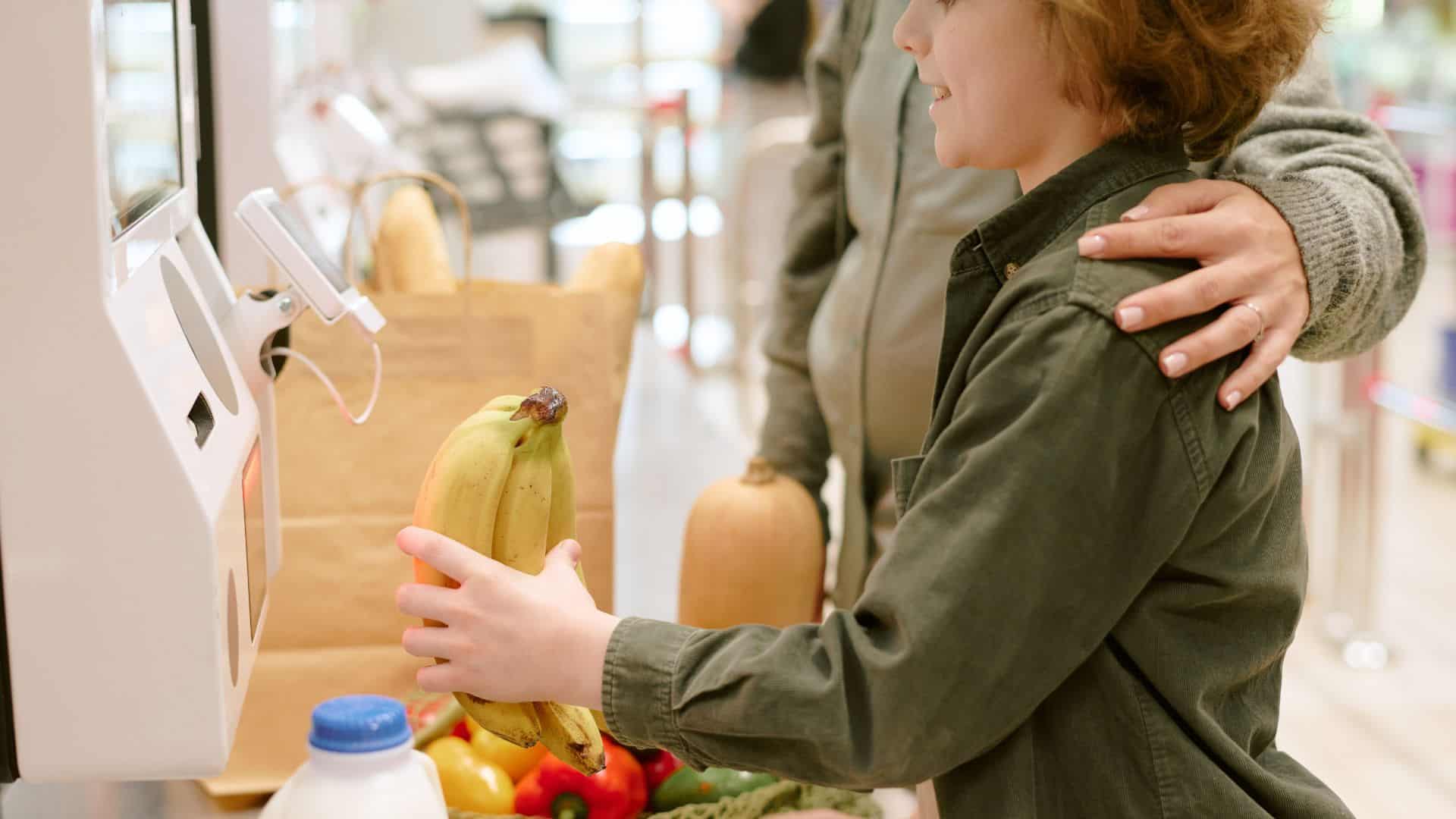
Parents often use checkout as a teaching opportunity. Children scan items, count money, or handle cards at the register. Families treat it as a lesson in responsibility.
For other shoppers, the process slows down the line, whether it's self-checkout or a cashier. Each pause extends the wait for everyone, and the schedule of the line falls behind.
Grabbing one more item
Another common habit is leaving a cart in line to grab forgotten groceries. Shoppers believe this keeps their place without disrupting the order. The line remains stuck until they return.
Cashiers sometimes allow the practice to avoid confrontation, but the delay grows each time. A single missing item can freeze a register and hold up several carts.
Courtesy parking
The same behavior continues outside the store. Drivers wave multiple cars through or wait for extended groups of pedestrians. The gestures appear cautious and respectful, but they can result in traffic buildup in busy lots.
When one car waits, an entire row of vehicles slows down. The act of patience for a few people creates frustration for many more.
Finding the balance

Shopping for food is already a crowded and unpredictable experience. Adding gestures of politeness that delay others can further impact the visit.
None of these behaviors comes from bad motives. People hold doors, let others cut in line, or pause to chat because they believe it is the right thing to do. The difference lies in how those gestures affect everyone else.
Actions that appear courteous to you, such as chatting with cashiers, waving people forward, and stopping to help, may leave other shoppers frustrated. In crowded aisles and long lines, even well-intentioned gestures can test the patience of other shoppers.
Politeness is still valued, but the kind that keeps the line moving is what many shoppers prefer.
Leave a Reply