
At first glance, the kids' menu appears to be a parent's dream. It is simple, quick, and guaranteed to avoid a meltdown at the table. But beneath the chicken nuggets and fries lies a bigger issue. Many restaurants only put minimal effort into these overpriced, nutritionally empty dishes. Portions are small but still pricy and almost always made from frozen or processed ingredients.
Overpriced and underdelivering
Parents might assume a smaller portion means a smaller bill, but that's rarely the case. Many kids' meals cost nearly as much as adult entrées, despite being made from inexpensive ingredients. The value often isn't there, and parents are paying more for convenience than for quality or nutrition.
Low quality and repetitive
Chicken nuggets, fries, and mac and cheese are staples on nearly every kids' menu in America. While familiar, these items are often pre-frozen or reheated, offering little freshness or flavor. They lack vegetables, whole grains, and real variety, which means children miss out on balanced meals and diverse tastes.
Encourages picky eating and limits curiosity

Eating out should be an opportunity for children to explore new flavors, but the kids' menu often does the opposite. When the options rarely go beyond chicken nuggets or fries, children learn to associate eating out with bland, repetitive foods.
Without exposure to different ingredients or cuisines, kids miss the chance to develop an adventurous palate. Research shows that repeated exposure to varied foods in early childhood helps children become more open to trying new dishes and more likely to maintain healthy eating habits into adulthood.
What to order instead
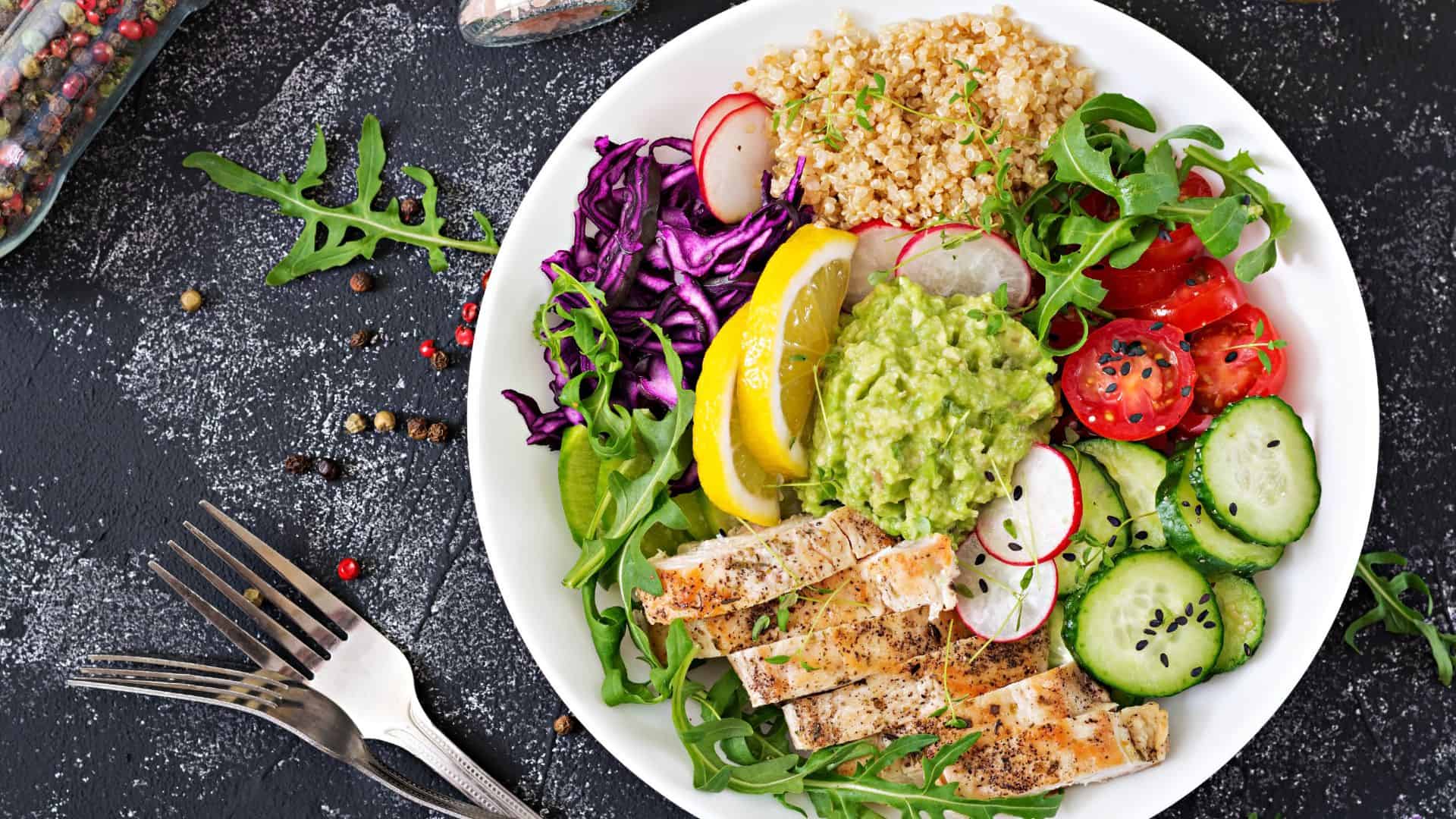
Children can eat most of what adults eat, just in smaller portions and with lighter seasoning. Rather than defaulting to chicken nuggets, encourage kids to share what the adults are eating.
Here are a few practical swaps:
- Share the main menu. Order one adult entrée with an extra plate, or ask for a half-portion. Grilled chicken or fish, roasted vegetables, rice, beans, soups, and simple pastas offer protein, fiber, and real flavor.
- Lean on sides and starters. Build a balanced plate from vegetable sides, salads, whole-grain options, and legumes.
- Ask for small adjustments. Request lighter seasoning, sauces on the side, or steamed veggies instead of fries.
- Follow the “exposure” rule. Offering unfamiliar foods such as fruits and vegetables repeatedly helps many children accept them. Pair new items with familiar favorites and keep portions small to reduce pressure.
- Try seasonal food. Many restaurants adjust their menus throughout the year to highlight seasonal ingredients and introduce new flavors. This exposes children to a natural variety of textures and seasonal ingredients. They learn that meals change with the time of year and that food can be both nourishing and exciting.
When kids eat what adults eat, they build a more positive relationship with food, learn table manners by example, and grow up less afraid to experiment.
The Bottom Line
Ordering from the kids' menu may seem like the easy choice, but it's not always the right one. Those smaller plates often come with bigger consequences, including less nutrition, variety, and excitement about food. Letting kids explore beyond the children's section turns every meal into a chance to learn, grow, and enjoy what's on their plate.
Leave a Reply