
Walmart is removing synthetic dyes and dozens of other additives from its private-label food products, marking one of the most significant ingredient shifts by a U.S. grocery store in recent years.
The retailer announced on Oct. 1 that by January 2027, its private brands, Great Value, Marketside, Freshness Guaranteed, and bettergoods, will no longer contain petroleum-based dyes such as Red 40 and Yellow 5, and other ingredients, like certain preservatives and artificial sweeteners.
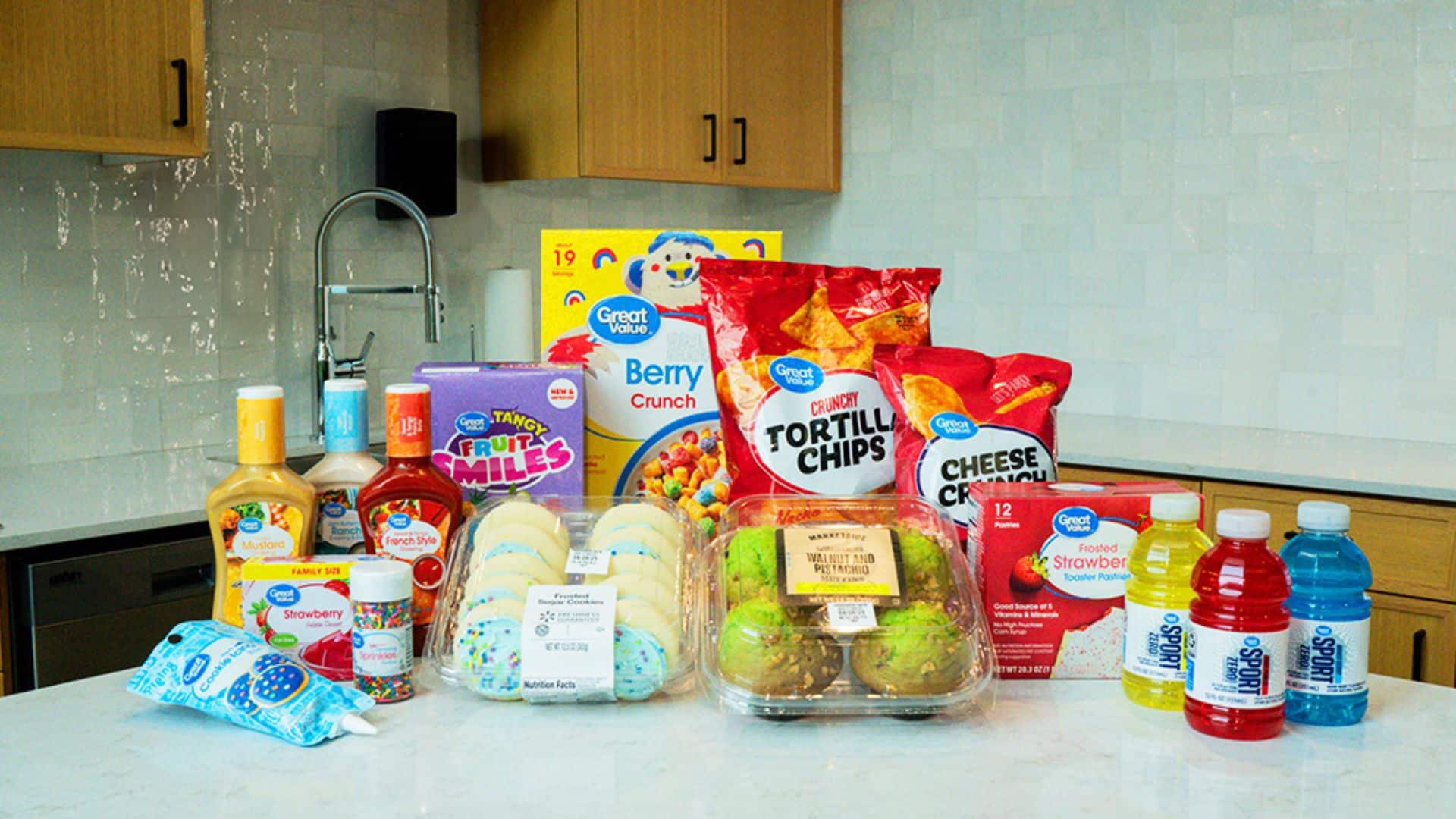
The shift follows the new FDA initiative to remove color additives from food in the United States. Walmart announced that customers will begin to see updated products on shelves in 2025, with the full rollout expected to be completed by January 2027.
“Our customers have told us that they want products made with simpler, more familiar ingredients — and we’ve listened,” said John Furner, president and CEO of Walmart U.S. “By eliminating synthetic dyes and other ingredients, we’re reinforcing our promise to deliver affordable food that families can feel good about.”
Why is Walmart taking dyes and other ingredients out of its food?
Walmart said the decision reflects consumer demand and changing preferences for food ingredients. The company shared in their announcement that approximately 62% of its shoppers want transparency in what they are being sold. 54% said they review food ingredients when purchasing anything.
Federal regulators are also encouraging the food industry to remove certain food dyes from their products. In April, the FDA signaled closer inspection of petroleum-based dyes, setting compliance deadlines for many companies through 2026. “Parents and doctors have concerns about petroleum-based food dyes, which have no nutritional benefit,” said FDA Commissioner Marty Makary, MD, MPH.
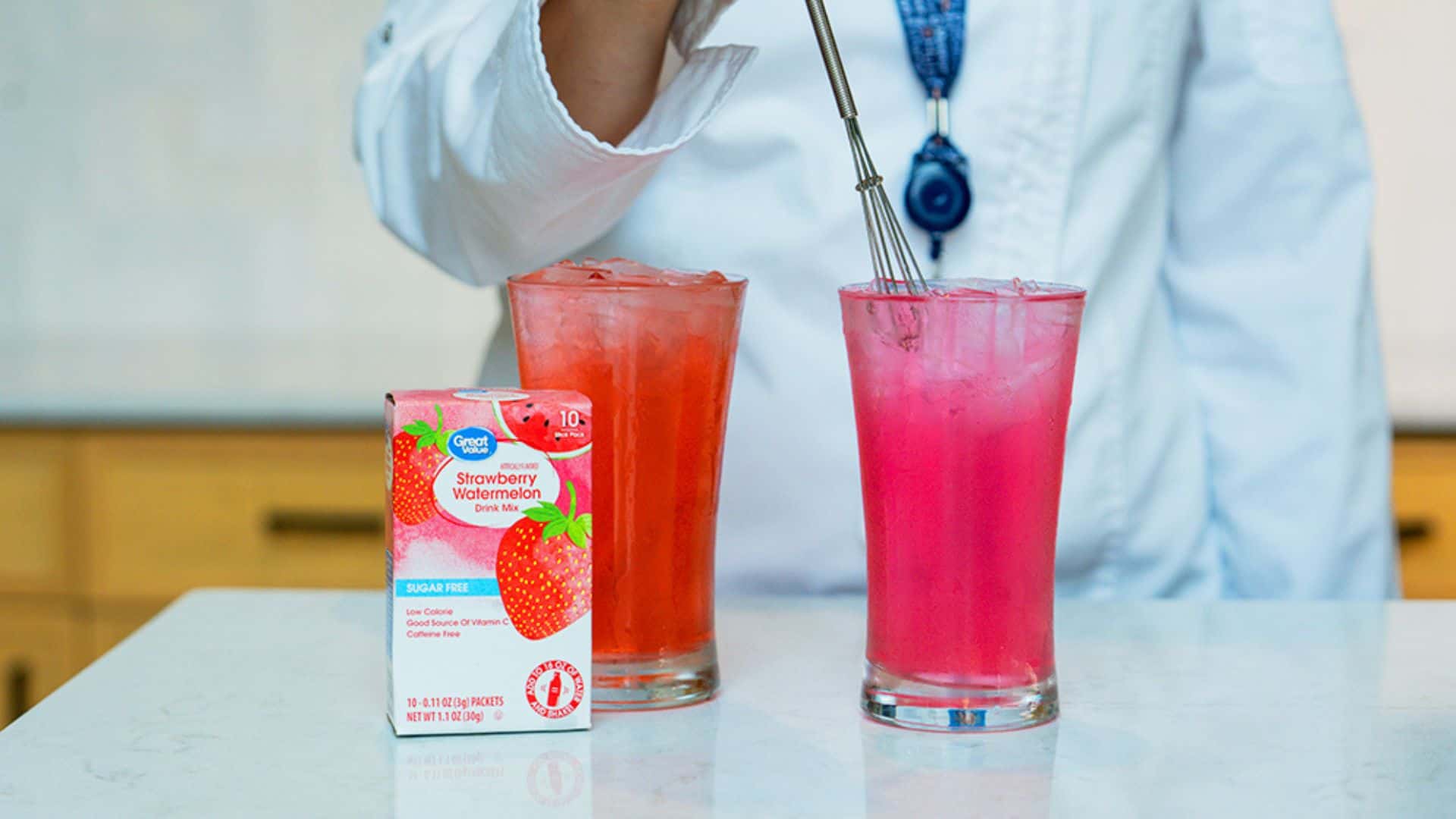
Across the country, various companies are responding by reformulating their products and offering healthier alternatives to customers. Walmart’s 2027 timeline ensures its brands also meet or exceed the FDA´s timeline.
It isn’t the first time Walmart has removed ingredients customers don’t want. Today, approximately 90% of Walmart's U.S. private brand food products are free from synthetic dyes.
What dyes are being removed?
Walmart provided an ingredient list showing eleven synthetic dyes set for elimination from its private-label food products. These include:
- FD&C Red 40 (a common red/pink dye)
- FD&C Yellow 5 and Yellow 6
- FD&C Blue 1 and Blue 2
- FD&C Green 3
- FD&C Red 3, Red 4, Orange B, Citrus Red, Canthaxanthin
These are petroleum-based dyes that have been used for a long time in processed foods. Many of them already face scrutiny or partial bans in various applications.
Synthetic dyes are the headline change, but Walmart’s complete list covers more than 30 additives that have raised questions and are currently under review by the FDA.
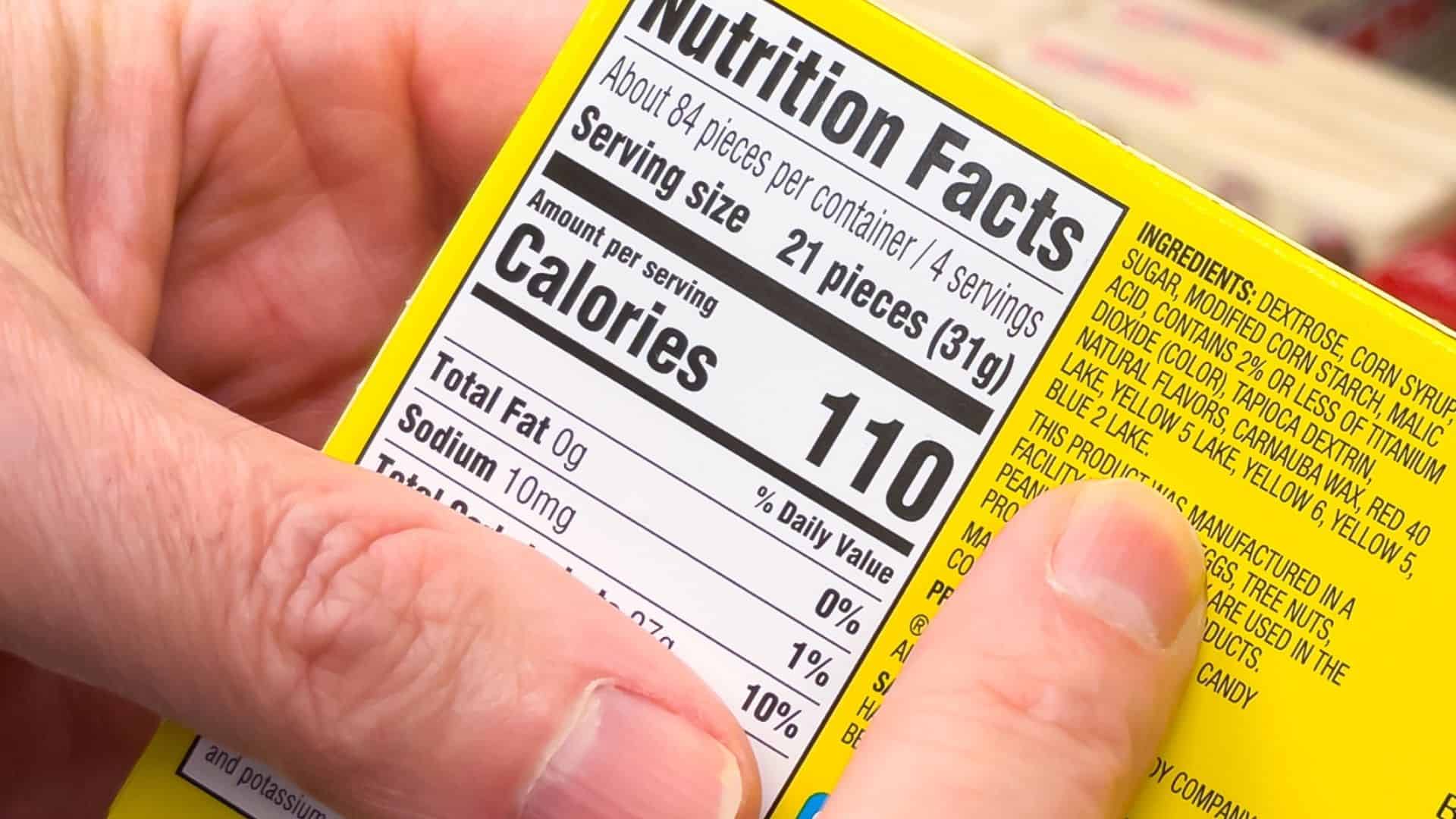
These include Titanium dioxide, a white color additive used in foods such as candies and baked goods, and azodicarbonamide, used as a whitening agent and dough conditioner, among other preservatives.
The company says customers can learn about the reformulated items by checking the ingredient labels, as new products are expected to hit the shelves in the coming months. Additionally, customers can expect the taste to remain consistent, as it is made with high-quality ingredients.
This announcement follows a similar shift earlier in 2025 at Sam’s Club, which is owned by Walmart. In June, Sam’s Club announced that 96% of its Member’s Mark food and beverage products now meet “Made Without” goals, meaning they are free from synthetic dyes, high-fructose corn syrup, and other additives.
Walmart is moving in the same direction across its retail businesses. As Walmart standardizes its ingredient policies, suppliers are more likely to reformulate across entire product lines, not just for one retailer.
How Walmart plans to roll out the change
The company said reformulated items will begin appearing on shelves in late 2025, with all foods updated by January 2027. The rollout will be gradual, as Walmart works with its private brand suppliers to reformulate the products and source alternative, healthier ingredients while preserving the same taste and texture customers are familiar with.
Walmart has pledged that prices will not increase as a result of the changes and committed to maintain affordability while offering high-quality products to its customers.
Looking ahead
Walmart’s decision marks a turning point for the brands, and the shift is expected to encourage other retailers and food companies to make similar changes. By January 2027, tens of millions of weekly shoppers will encounter food without synthetic dyes or dozens of other additives.
Leave a Reply