
Apples are among the most popular fruits, eaten fresh, baked into pies, or sliced for lunch boxes. But many households make a common mistake that shortens their shelf life: leaving them in a bowl on the counter. Apples ripen faster at room temperature, and their crisp texture can turn soft and mushy within days. With some clever tricks and using the correct method, you can store them for much longer.
Why do apples ripen so fast?
Apples produce an impressive amount of ethylene gas, which can accelerate the ripening process and soften them. That’s why grocery stores keep apples chilled until they put them out on shelves for customers.
At home, the same rule applies. Refrigeration slows the ripening process and keeps apples firmer for a significantly longer time. While it may look decorative to keep apples on the counter, it’s also the fastest way to lose their texture and flavor.
Refrigerate
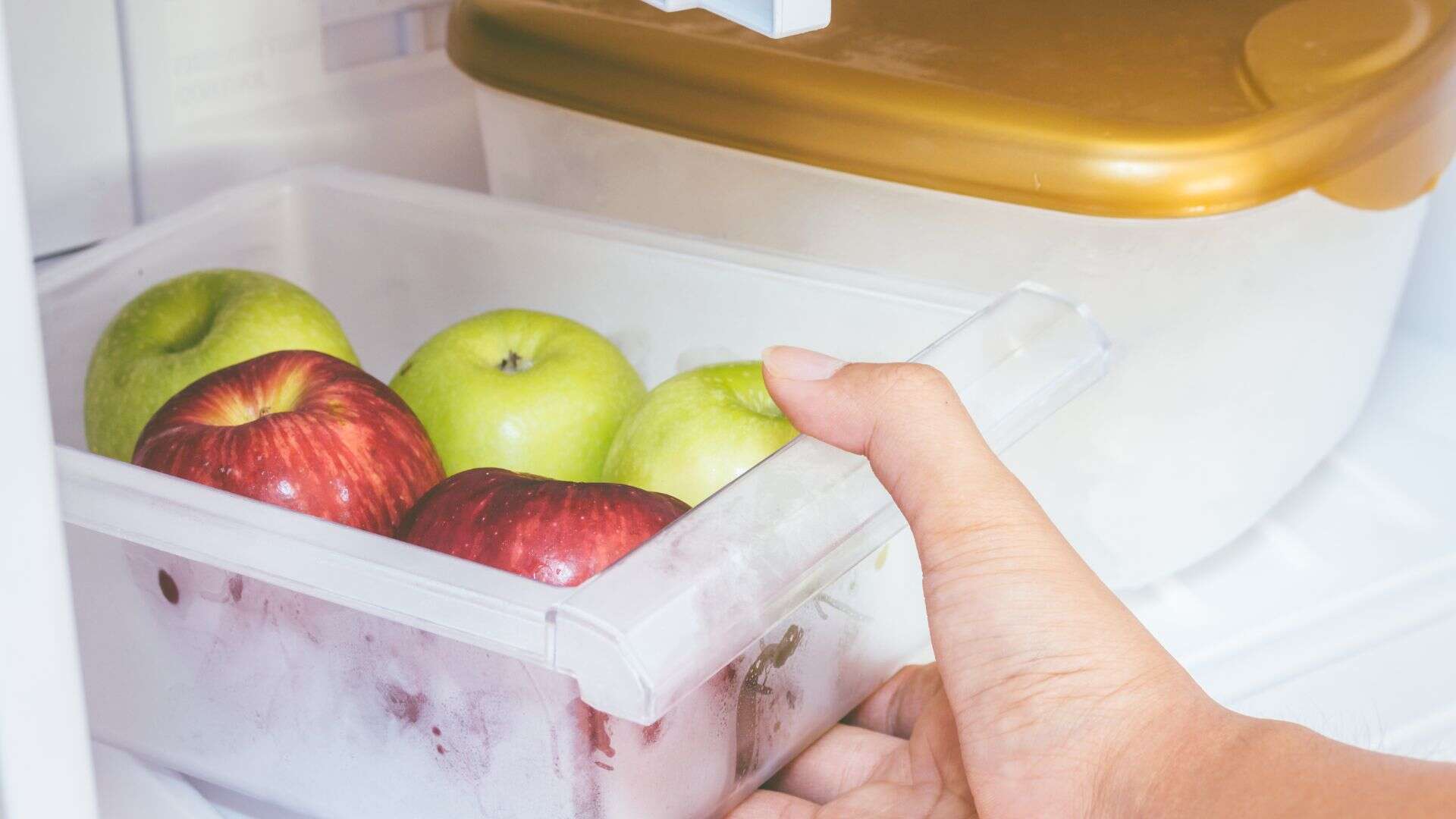
Cold storage is the most effective method for preserving apples. A steady, cool temperature slows the natural ripening process, significantly extending its freshness. You can put them in the crisper drawer, which will provide the low-humidity environment that apples need to stay fresh for longer.
Apples also stay fresh and crispy when placed in a ventilated bag or loosely covered container. This helps them retain some moisture while preventing excessive water buildup. Don’t seal them in airtight plastic, as condensation will cause them to spoil more quickly.
For most varieties, refrigeration stretches their life to four to six weeks. Firm apples, such as Fuji or Granny Smith, may even last longer when refrigerated. Other varieties, such as Gala or McIntosh, should be eaten sooner, because they lose their freshness quickly.
Freezing for long-term storage
If you have more apples than you can finish in a few weeks, consider freezing them for later use. Whole apples don’t freeze well because their texture breaks down, but slices are easy to freeze and last longer if stored properly.
Slice the apples, lightly coat them with lemon juice to reduce browning, and lay them flat on a tray before placing them in freezer bags. Press out excess air before sealing them, which helps protect the flavor.
Frozen apples are not as crisp as fresh ones, but they still retain their taste. You can use them in apple desserts, make applesauce, or even smoothies, and they can last up to a year when stored properly.
Canning apples
One of the oldest methods for preserving apples is canning. Canned apples can be stored at room temperature for several months. The process is pretty straightforward: peel and slice the apples, then add them to a canning jar with a light syrup made from sugar, cinnamon, or other spices as desired.
Canned apples are better suited for baking or cooking. Traditionally, families prepare batches of apples in the fall when they are abundant, to use them throughout the winter months when fresh fruit supplies are low.
Keep apples separate from other produce
Apples emit ethylene, which not only affects their ripening but can also cause other fruits and vegetables to spoil more quickly. To prevent this, apples should be stored separately in their own drawer or container.
If you have several different types of apples, try not ot store them together. Softer types, such as McIntosh, produce more ethylene gas and will ripen quickly. If they’re stored next to firmer types, such as Fuji or Honeycrisp, they can cause those apples to soften too.
Don’t wash until you’re ready to eat
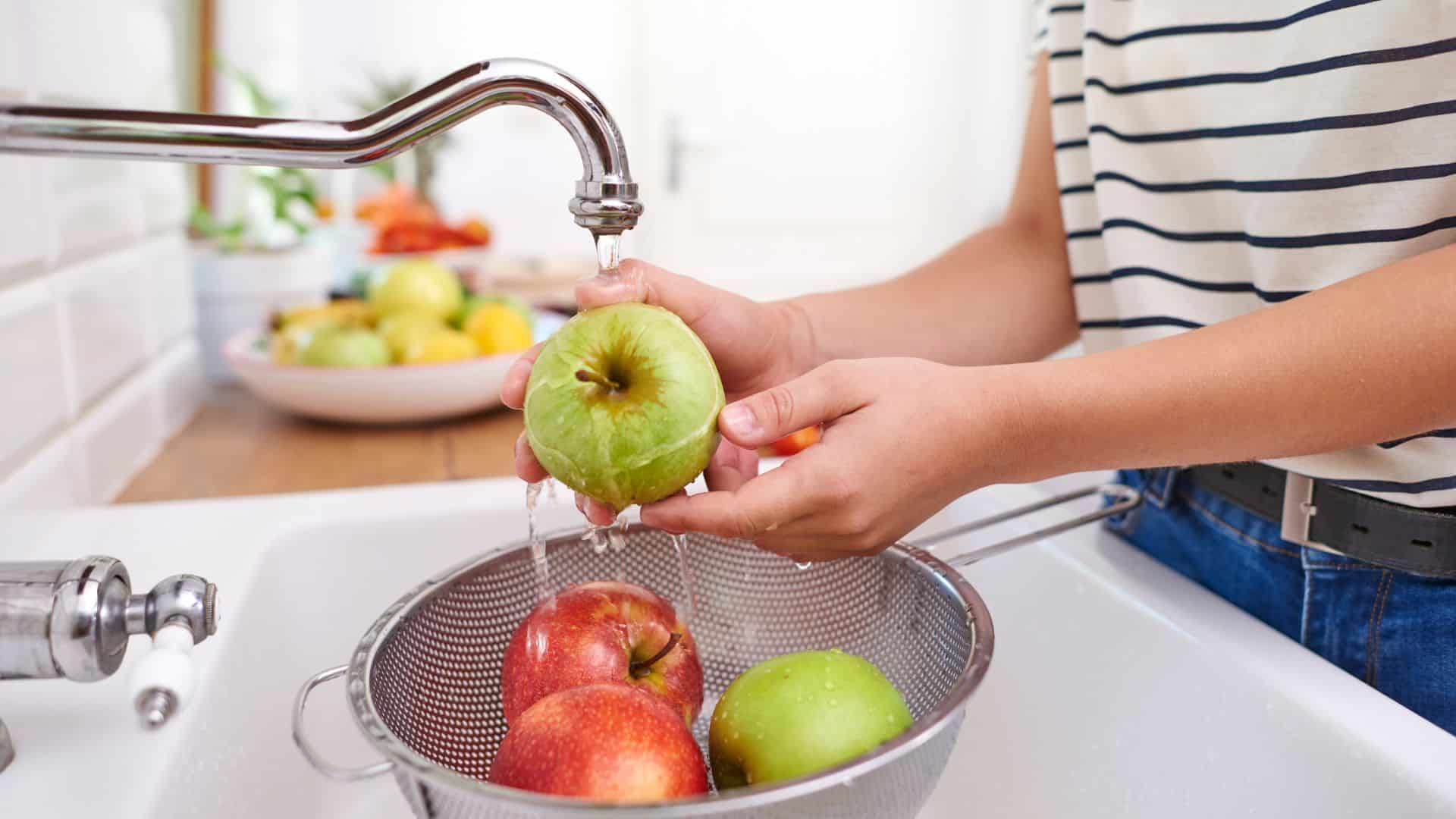
Many people rinse fruit as soon as they bring it home from the store. While it’s recommended to wash certain fruits, apples should be stored without washing. Water adds moisture to the skin, which can encourage mold even if the fruit is stored in the refrigerator.
The best approach is to wait until you are ready to eat the apple or use it in a recipe. Rinse the apple under cool water to remove any residue.
How to tell apples have gone bad?
Even with the best effort, apples eventually spoil. Here are some of the signs that help you identify if apples are going bad and when you should discard them.
Soft spots or bruising: If an apple has soft spots or bruises, it’s starting to rot. You can cut out the small brown spot, but fruit with wide or spreading soft spots should be discarded.
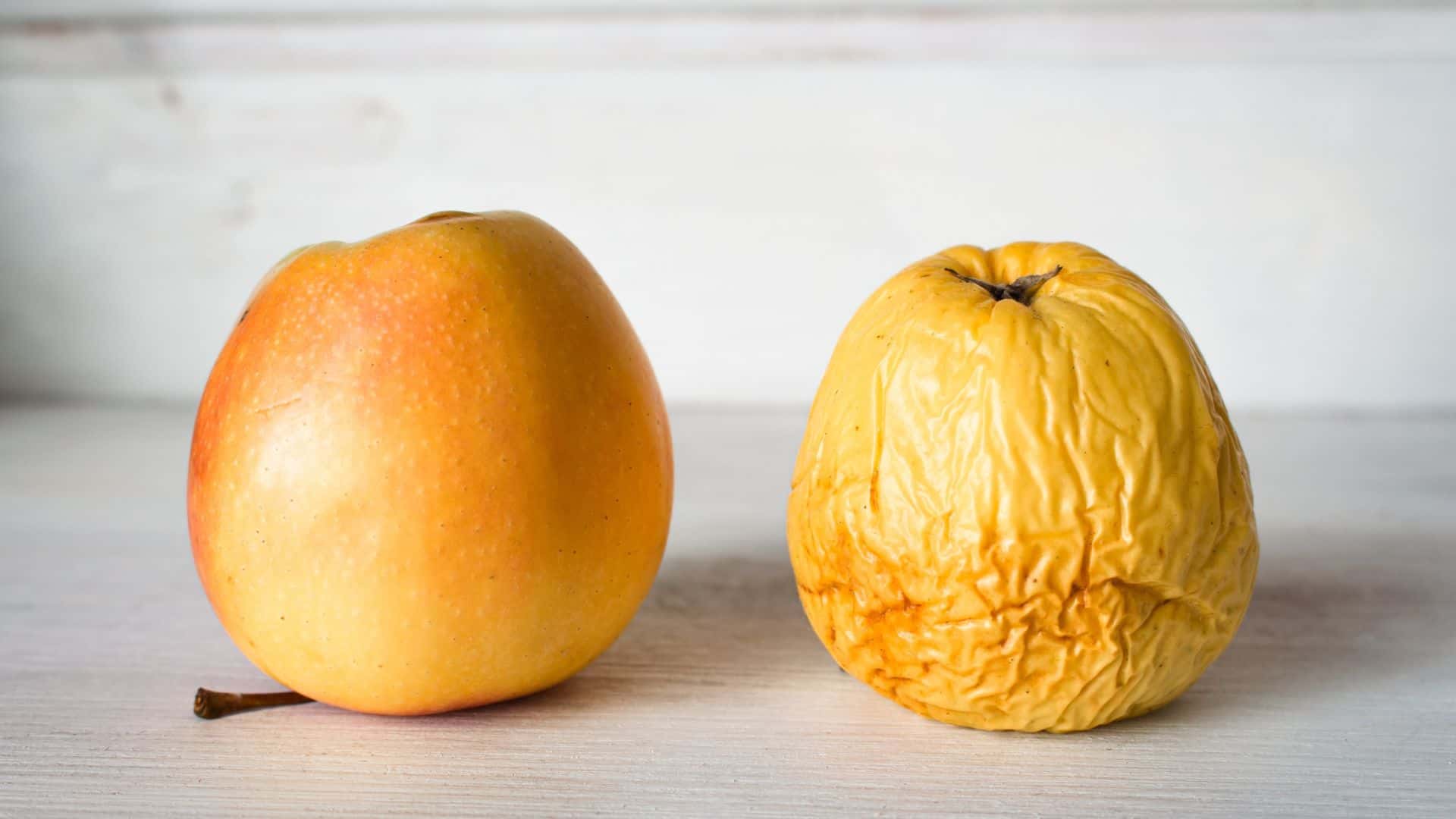
Wrinkled skin: This means the fruit has lost water, and the flesh has turned rubbery. These apples are better suited for cooking than for eating raw.
Sour or cider-like smell: A sour odour from apples is a sign that it’s overripe. It’s best to get rid of any sour-smelling apples.
Visible mold: Growth around the stem or on damaged skin means the apple should be discarded.
Minor blemishes can be cut away if the rest of the apple is fine, but once you notice any visible mold or smell, the fruit should be thrown out.
How long do apples last?
Apples can last anywhere from a few days to several months, depending on how they are stored and handled.
General storage timeline:
- Counter: About one to two weeks, less in warm rooms or near sunlight.
- Refrigerator crisper drawer: Four to six weeks for most apples, with longer storage times for firmer varieties.
- Freezer (sliced): Up to 1 year, best for cooking after thawing.
- Canned: Properly stored canned apples can last about 1-2 years.
I must also mention that I recall my parents storing apples for the entire winter during my childhood. We would keep firm, late-season varieties like Fuji, Granny Smith, and certain heirloom types in a cool, dark space, and they stayed crisp for months. With the right conditions —low temperatures, good air circulation, and regular checks to remove any that spoil —apples can last four to six months, providing fresh fruit long after harvest. However, it really depends on your storage room, the type of apples, and the harvest.
If you want to store apples even longer, freezing, canning, or drying them are the best options.
A fruit bowl may look nice on the kitchen counter, but apples do best in the refrigerator. Cold storage slows the natural ripening process and extends their freshness for weeks. With proper storage, people can enjoy crisp apples for longer and reduce the amount of food they throw away.
Leave a Reply