
As a food writer who has spent years testing everything from French presses to high-tech espresso machines, I’ve learned that choosing the right coffee maker isn’t the easiest task. It might sound simple until you start looking at all the options. Drip makers, pod machines, French presses, and espresso machines. Each promises the perfect cup, but they all come with their own trade-offs. Some are quick and convenient, while others take more time but deliver café-quality results.
Before you spend your money on any coffee machine, you should know the different types of coffee machines available in the market, the strengths and downsides of each type, so you can pick the one that actually fits your lifestyle (and your coffee drinking habits).
Nespresso and pod machines
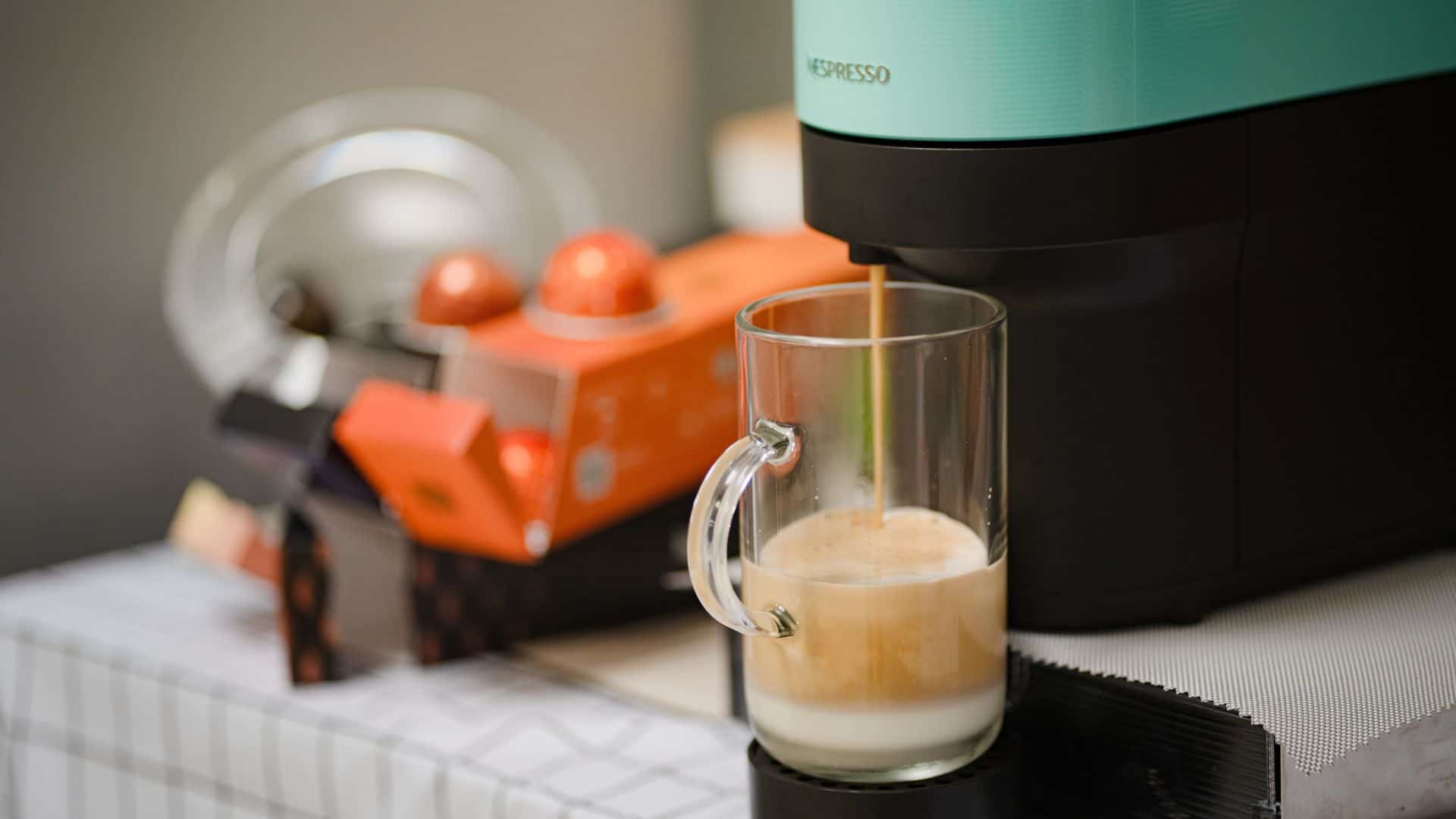
These have been one of the most popular coffee machines on the market for several years now. They use aluminum pods that come in many different flavors that are available in any well-stocked grocery store.
The pods are sealed in aluminum or plastic and stay fresh for months. Nespresso has two main lines: the Original, which makes espresso shots, and the newer Vertuo line, which can brew different cup sizes using barcode technology.
They look sleek and modern, and are very simple to use. Place a pod in, press a button, and in about 30 seconds, your coffee is ready. The machines typically range from $100 to $400, but the ongoing cost is primarily driven by the pods themselves. At around 75 cents to $1.50 each, two cups a day can easily add up to more than $500 a year.
Pros
- Very easy to use, even when you’re half-awake in the morning
- Produces the same taste with every cup
- Coffee is ready in under a minute
- Compact size that doesn’t take up much counter space
- Almost no cleanup needed
- Wide variety of flavors available
Cons
- Pods cost far more per cup compared to ground coffee
- You’re limited to the flavors the brand offers
- Pod waste builds up, even though some can be recycled
- Coffee may not be hot enough for some tastes
- No control over coffee strength or customization
Nespresso features over 40 specialty Vertuo coffee blends, from dark to mild, plus limited-edition flavors. You can also purchase a decorative pod holder drawer. Still, if you are a true coffee enthusiast, you probably will prefer a machine that you can use with any coffee brand.
Traditional espresso machines
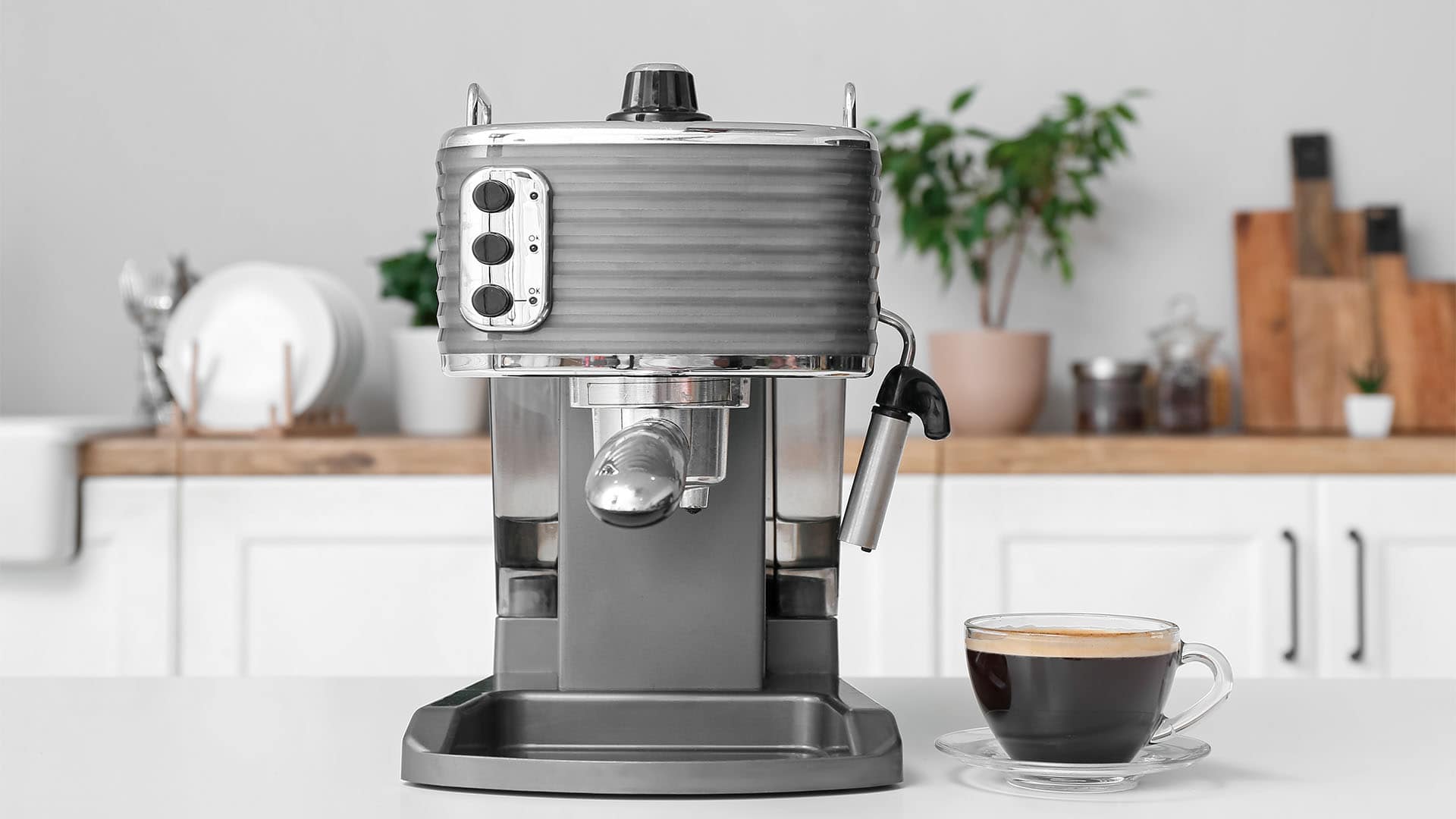
This is a great choice for people who want real espresso at home. These machines use high pressure to push hot water through finely ground coffee, creating real espresso with a thick, creamy foam on top.
Espresso machines come in three main types: manual ones, where you control everything, semi-automatic ones, and super-automatic ones that basically do everything for you. Brands like Breville, Rancilio, and Gaggia are among the most common espresso machine makers.
To brew, you grind fresh coffee beans, tamp the grounds into a portafilter, lock it in place, and start the machine. Beginner-level machines start around $100, though most decent ones run between $500 and $1,500.
Pros
- Makes authentic espresso with rich crema
- Offers complete control over strength, temperature, and technique
- A steam wand allows you to make milk-based drinks at home
- Much cheaper per cup in the long run if you drink coffee often
Cons
- Takes a while to learn to use it properly
- Requires multiple steps and regular cleanup
- Large size takes up significant counter space
- Needs frequent maintenance and descaling
- High upfront cost
If you are a real coffee lover and prefer a short Italian-style espresso, then these machines are for you. You can use them with almost any type of coffee, and even though they require a bit more cleanup than pod machines, they are much closer to the real cafe house filling.
French press coffee makers
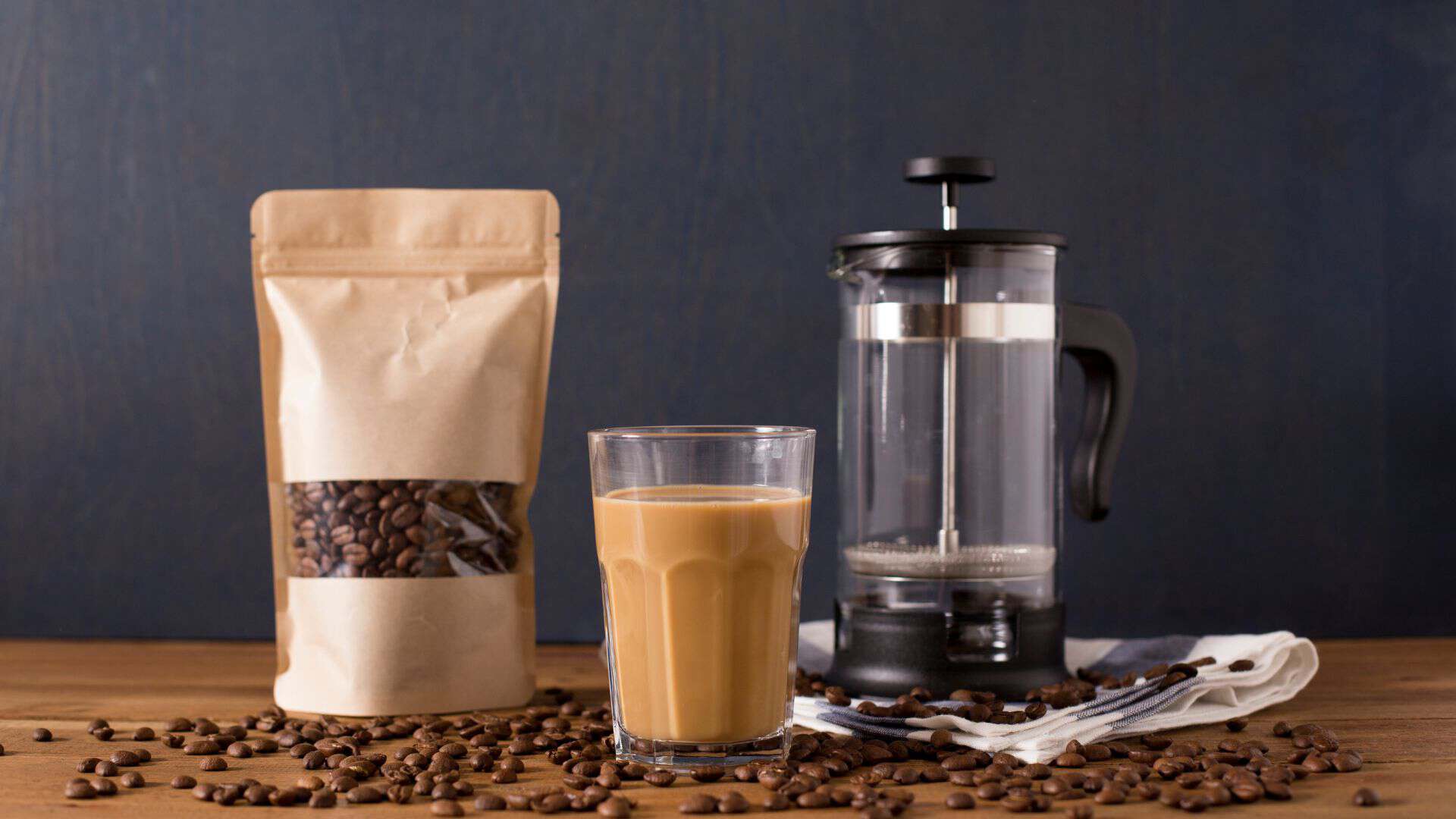
The French press is a classic and has been around for decades. They come in glass, stainless steel, or plastic and in different sizes, ranging from single-serve ones to family sizes.
The process is simple: add coarse coffee grounds, pour in hot water (not boiling), stir it, wait about 4 minutes, then slowly push the plunger down. Pour and enjoy. French press machines are cheaper than other coffee makers. They cost anywhere from $15 for a basic one to $80 for a really nice stainless steel version.
Pros
- Affordable compared to other coffee machines
- Makes rich, full-flavored coffee
- No need to buy filters
- Comes in different sizes
- Perfect for camping or travel
Cons
- May taste bitter if left sitting for long
- Doesn't keep coffee hot very long
- Need to watch the timing
Compared to espresso, French press coffee tends to be fuller-bodied with a rich and robust flavor, while espresso has a strong, more concentrated flavor and a thick, velvety texture.
Moka pot (stovetop espresso)
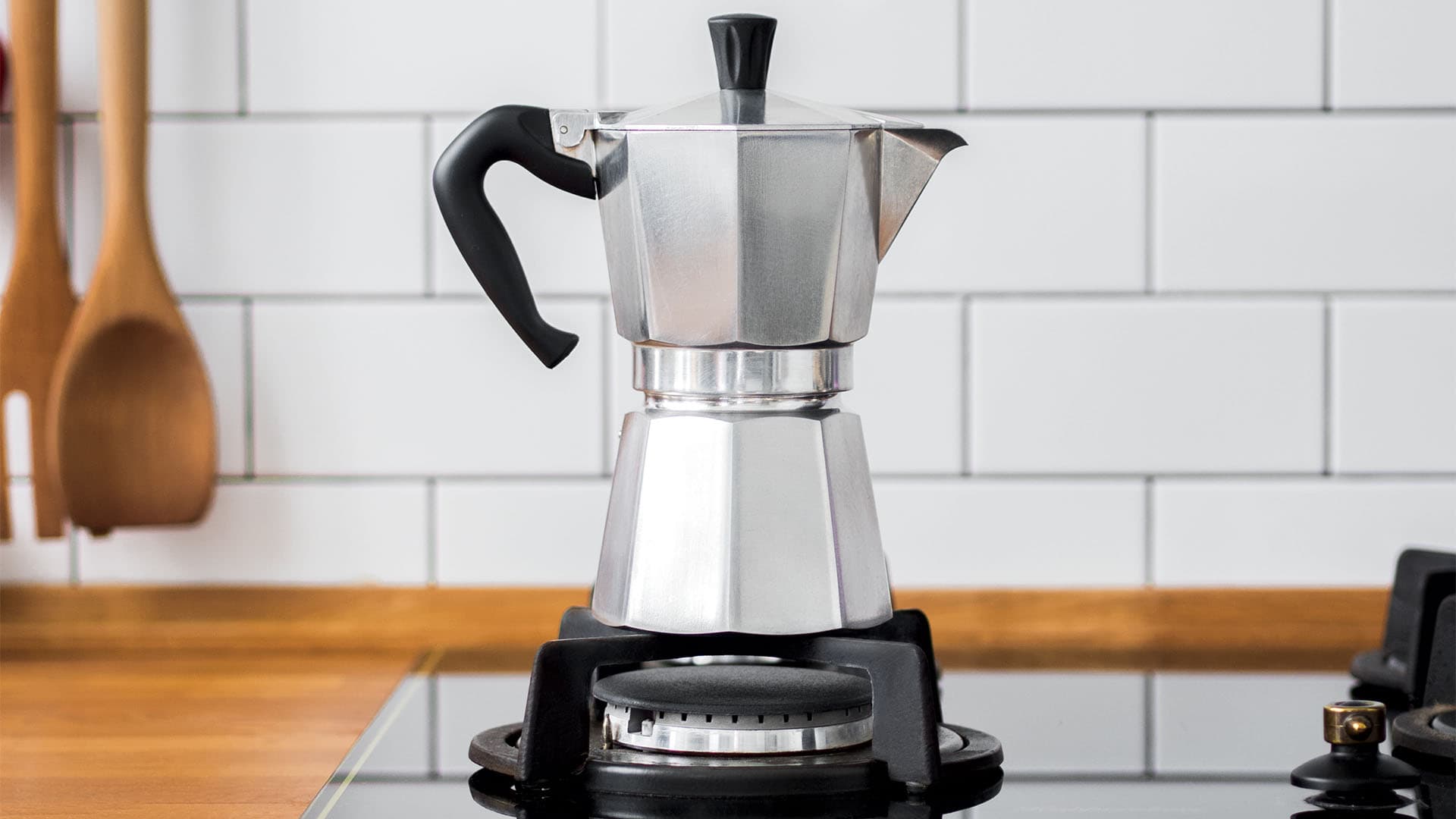
Invented in Italy back in 1933, this little aluminum octagon sits on your stove and uses steam pressure to make strong coffee. It's not technically espresso, but it's pretty close and way cheaper than an espresso machine.
The Bialetti Moka Express is the original and still the most popular. They come in different sizes; the "cup" sizes are Italian espresso cups, so a "6-cup" model makes about three regular American coffee cups.
To brew, fill the bottom with water, add coffee to the filter basket, screw the top and bottom together, and heat it on medium until you hear the gurgling sound. A Moka pot may cost you around $25-$70.
Pros
- Very inexpensive and long-lasting
- Produces strong, concentrated coffee
- Small and easy to store
- No electricity needed
- Durable and easy to use once you learn the steps
Cons
- Easy to burn the coffee if you leave it too long
- Takes some practice to learn
- Require daily cleaning
- The handle can get very hot during brewing
- Aluminum versions don’t work on induction stoves
- Limited control over flavor or strength
Drip coffee makers

This is the standard coffee machine most American households recognize. Simple, reliable, and makes multiple cups at once. If you like a longer Americano-style coffee, then this is for you. To operate these machines, you only need water, coffee, and a filter.
Drip machines range from basic $40 models to high-end ones with built-in grinders, timers, and even WiFi features.
Pros
- Makes large quantities (6 to 14 cups) at once
- Can be programmed to start brewing automatically
- Affordable, with options for every budget
- Widely available and easy to find filters or replacement parts
Cons
- Uses disposable paper filters unless you buy a reusable one
- Cheaper models often brew weak or bitter coffee
- Takes up counter space
- Coffee left sitting on the hot plate can taste burnt
Cold brew coffee makers
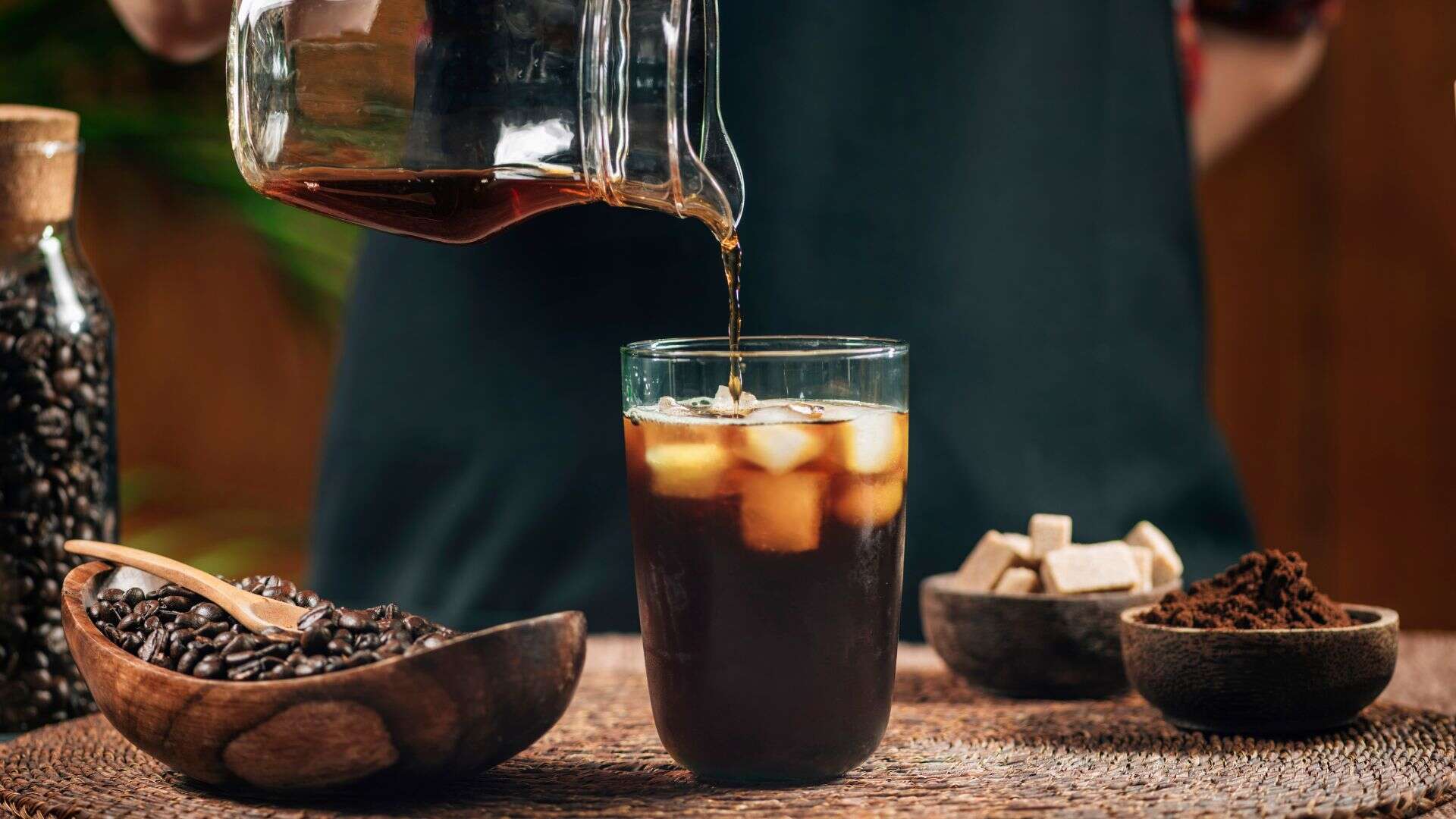
Cold brew has become a favorite for people who want smooth, less-bitter iced coffee. These makers work by steeping coffee grounds in cold water for 12 to 24 hours. The result is a concentrate that you can weaken with water or milk, and it stays fresh in the fridge for up to two weeks.
Most cold brew makers are containers with a built-in filter. You add coarse grounds, pour in cold water, let it steep, and strain. Prices usually range from $25 to $80, with premium glass or stainless steel versions going higher.
Pros
- Produces smooth, less acidic coffee
- Perfect for iced coffee and hot summer days
- Easier on the stomach than hot coffee
- Make a big batch that lasts for days
Cons
- Requires 12 to 24 hours to brew
- Takes up fridge space
- Uses more coffee per batch than hot methods
- Not ideal if you want coffee instantly
- The equipment needs good cleaning between batches
What to consider when buying a coffee machine?
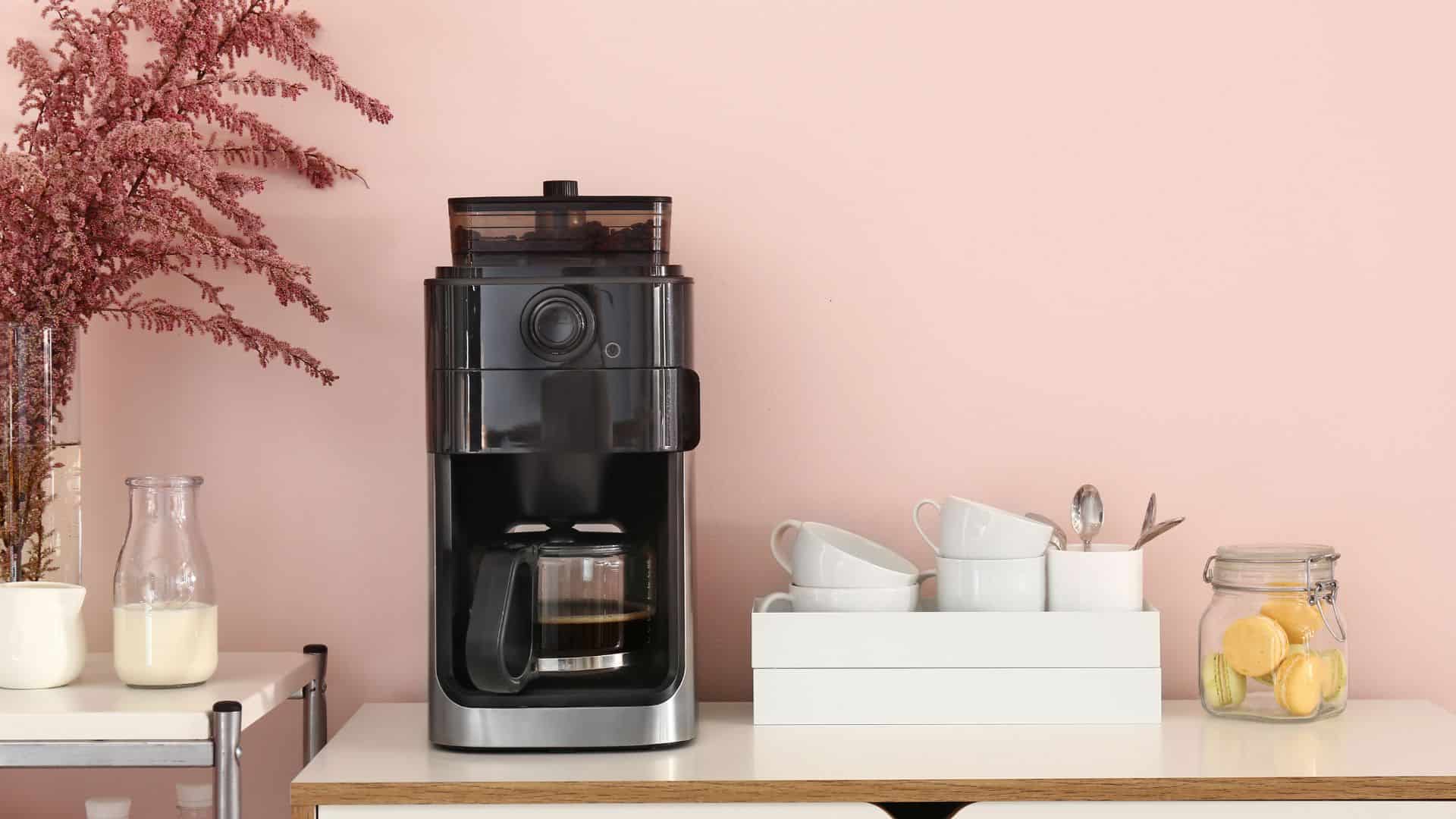
There are countless ways to make a great coffee, but choosing a coffee machine comes down to your habits, space, and budget. Here are some questions to ask yourself before deciding:
How much coffee do you actually drink?
If you want to drink just one cup of coffee a day, you can get a small press or a pod machine. For all-day drinkers, a drip machine or espresso setup may be better.
How much counter space do you have?
Consider your counter space before investing in a coffee machine. Espresso machines are large and may take up a lot of space, while French presses and drip coffee makers can be stored easily.
How much effort do you want to put in?
Pod machines are easiest to use. Espresso machines, on the other hand, need grinding, tamping, and cleaning every time. Before you buy a coffee machine, make sure you know how much effort it will take for you to make coffee every morning.
What flavours do you like?
Coffee is much more than a drink, and for many of us, it is a ceremony. If you are a serious coffee drinker and enjoy trying different blends, roasts, and coffees from various origins, choose a machine that can be used with fresh beans. In this case, you can buy almost any coffee from countless sources.
What's your actual budget?
Don't just look at the machine price. Factor in ongoing costs like pods, filters, or beans. A $100 Nespresso machine might cost more than a $500 espresso machine over a few years.
At the end of the day, the best coffee machine is the one you’ll actually use every morning. If you are a regular coffee drinker and want something on a budget, you can get a drip coffee maker or even a nice French press. However, if you wish to have a cafe-style coffee, a Nespresso or espresso machine is the best option.
With the right machine and technique, even a simple homemade cup of coffee is far better than the $5 coffee you get from a drive-thru!
Leave a Reply