
Have you ever wondered why your food takes forever while the people at the next table have already finished eating? Chef Dennis Chan just explained exactly which customer requests may create delays in restaurant kitchens.
Most restaurants will accommodate special requests, but some changes force the kitchen to throw their normal routine out the window. While some modifications add a couple of minutes, others can make your order take three times longer than usual. Here are the five things that can slow down your order in a restaurant and what you can do to improve it:
Ordering the sauce on the side
This may surprise you, but asking for sauce on the side may increase the time of your order. Many dishes don't just get sauce drizzled on top at the end. The food actually cooks in the sauce. When you want sauce on the side, the kitchen has to use two different pots instead of one.
Let’s say you order pasta carbonara. Typically, the hot pasta is added directly to the pan with the egg and cheese mixture. Everything combines perfectly. Same with teriyaki chicken, the chicken cooks right in the teriyaki sauce.
When you ask for sauce on the side, they have to cook the chicken separately, make the sauce separately, and then serve them apart. It takes twice as long, and honestly, it doesn't taste as good because the flavors never blend together.
Ordering something grilled instead of fried

Restaurant kitchens run on tight schedules. Every dish is timed so orders come out together. Deep fryers work incredibly fast. Things like chicken tenders and fries are prepared in just a couple of minutes. However, grills take much longer, and the chef has to watch them the whole time.
When you switch from fried chicken to grilled chicken, it can affect their timing system. Your grilled chicken needs more than just a few minutes, while everyone else's fried food is ready fast. So, next time, if you wish to eat grilled instead of fried, it’s better to ask them for the estimated time it may take to make your order ready.
Ordering something that is low-sodium
Kitchen staff hate this request because nobody knows what "low sodium" actually means. Do you want them to use half the salt? A quarter of the salt? No salt at all? They're basically guessing and hoping they don't make your food taste bland or accidentally use too much salt if you have blood pressure issues.
When cooks have to cut salt drastically, they need to figure out other ways to make your food actually taste good. They'll try different spices, taste it, add more stuff, taste it again. This whole process of experimenting and adjusting can take forever compared to just following their standard recipe.
Ordering something with no garlic and no onions
This request can really slow down a kitchen because garlic and onions are in practically everything. Restaurants make most of their sauces, marinades, and seasonings hours ahead of time during prep. Almost every single one of these pre-made items has garlic or onions.
When you order something without garlic and onions, they can't just pick them out of the sauce that's already made. They have to make a completely new sauce from scratch just for you. This means one cook stops making everyone else's food to focus entirely on your special order.
Ordering something gluten-free
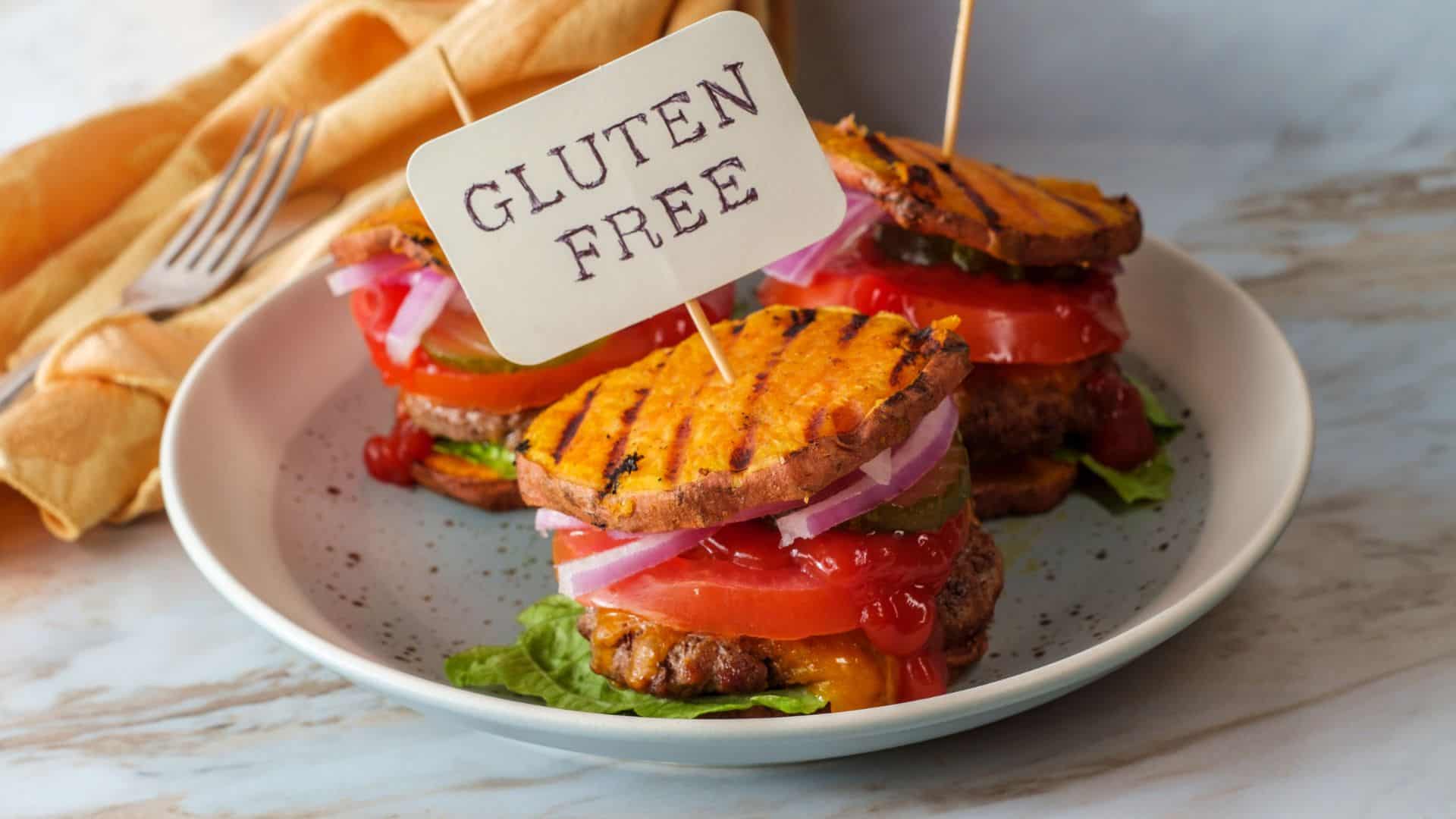
Gluten-free orders take the longest because restaurants have to change absolutely everything about how they cook. They have to worry about tiny gluten particles getting on your food from cutting boards, pans, or even dust in the air.
Making truly safe gluten-free food means getting out separate cutting boards, washing down all surfaces, using fresh oil, and clean utensils to avoid cross-contact. Some places have entire separate prep areas just for gluten-free orders. The cooks must check every single ingredient, every sauce, and every seasoning to ensure they are gluten-free. Then they cook your food in a completely different order to avoid any contamination. All of this extra care and different process takes way longer than normal cooking.
Tips for faster service
You can still make special requests and get your food faster if you're smart about it:
Come prepared: Do your homework before you walk into a restaurant. Check their menu online and read reviews from other people with similar dietary needs. Many restaurants post allergen information or gluten-free options on their websites. If you have serious food allergies, call ahead and ask to speak with a manager about what they can safely prepare.
Ask for recommendations: Servers know which dishes can be easily adjusted and which ones may take some time. If you have any such requests, ask them, so you can get that made in time.

Pick menu items close to what you need: Want grilled food? Order something that's already grilled instead of asking them to change a fried dish.
Keep your requests simple: If you’re in a rush, keep your requests simple. Removing the topping from a dish should not take longer, but recooking a dish from scratch will certainly take time.
Be patient: Nobody wants to wait forever for food, but understanding what actually slows down kitchens helps everyone have a better dining experience. These five requests are not impossible, but they can take time and slow down your order.
If you really need to make these changes for health reasons or strong preferences, you can surely order them. Just know your meal might take longer, so maybe eat a snack first if you're really hungry, or plan on a longer dinner. Most restaurants want happy customers and will work hard to accommodate special requests, even when it's extra work for them.
Communicate clearly about what you need and be patient while they take extra time to prepare your food properly.
Leave a Reply