
If it feels like grocery prices climb higher every time you shop, you’re not imagining it. In recent years, the cost of living has soared, and food prices have risen right along with it. Staples like eggs, milk, and butter that once felt affordable now take a much bigger bite out of the budget.
More and more families are forced to think twice about what goes into the cart and how to stretch every dollar. With little chance of prices dropping anytime soon, the only real solution is learning how to shop smarter and make your grocery money go further.
A female creator, Mac Larena, on TikTok (@mac.larena), with over 700,000 followers, has shared some tricks that can help you save on grocery bills. From choosing a cheap grocery store to only buying necessities, we want to share ten of her best tips, plus a super handy grocery list for budget cooking.
Choose Cheaper Grocery Stores
You don’t have to go to expensive grocery stores when you can get the exact item for half the price in cheaper stores. Those discount places like Costco or local markets sell the same stuff as Kroger or Safeway. But they charge less. Sometimes it's just 50 cents or a dollar per thing, but when you buy 30 things, you can save a lot of money.
Discounted Meats, Produce, Cheese, Etc.
Every store has a section where they put meat, milk, and produce that are about to expire, but that doesn’t mean the food tastes bad. You eat it that day or freeze it. Check this area first. You can get chicken for half price and just freeze what you don't cook right away.
Price Match
Always price match. There are many apps like Flipp where you can see the latest deals, and then shop from those stores. This way, you’ll only buy items at a discount, and it can save you a lot of money.
Stretch Meat or Go Meatless
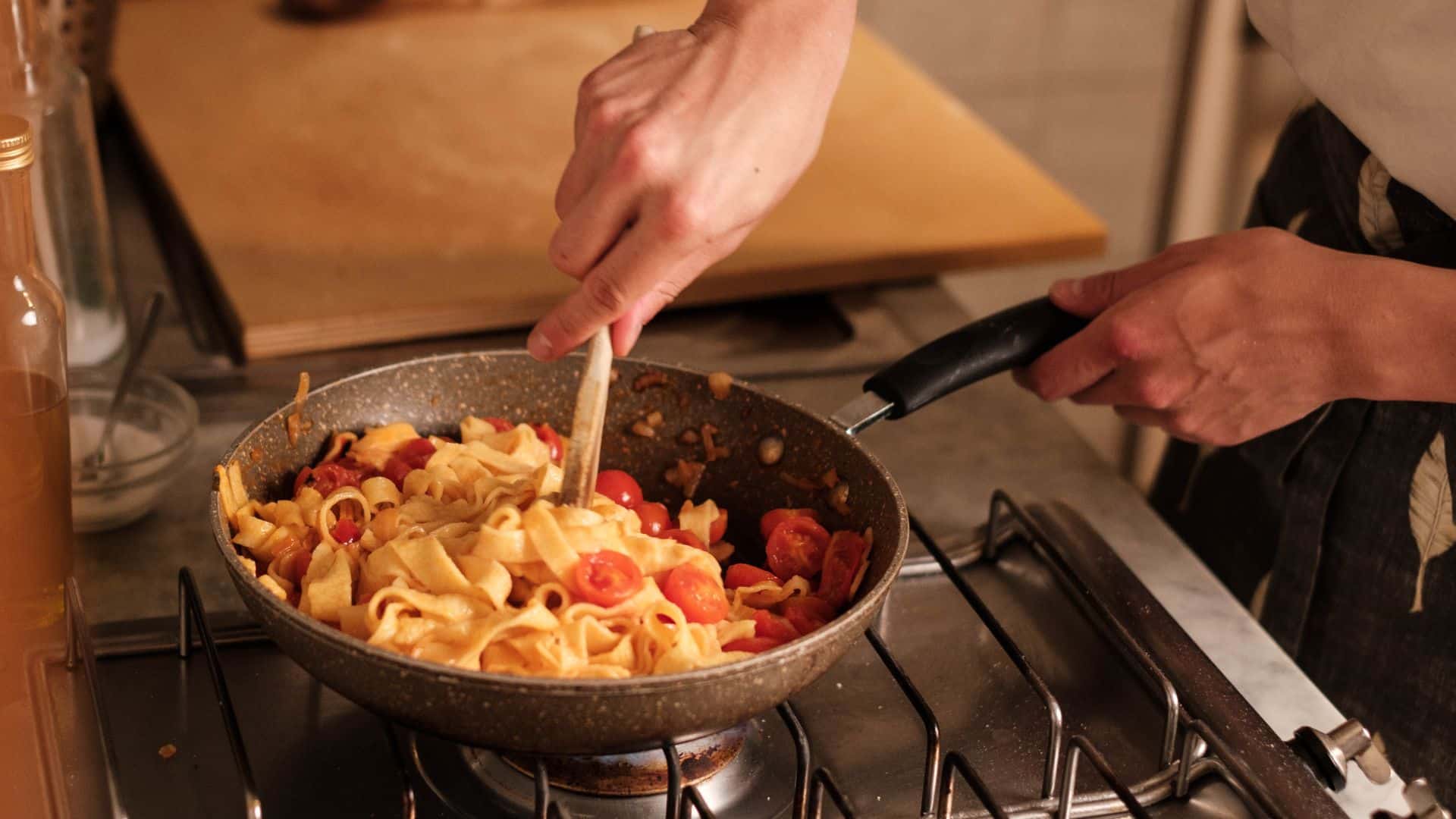
Meat costs the most in your cart. Instead of making one big meat dish, mix it with something else. Add rice, beans, or pasta to make it filling. Try meatless dinners twice a week, such as spaghetti with marinara sauce, vegetable soup, baked pasta, margherita pizza, etc.
Reduce Packaged Foods
Those frozen dinners and snack packs cost way too much. You can make extra at dinner and eat leftovers for lunch. It is way cheaper than buying packaged foods, which are not only expensive but also unhealthy.
Reduce Other Consumables
Don’t buy items that you don’t necessarily need. Use kitchen towels you can wash instead of paper towels for most things. Buy the big bottles of cleaning stuff instead of small ones. It will save you a lot of money on your grocery trips.
Buy Store Brand
The generic pasta tastes the same as the famous name brand. Same with canned tomatoes, rice, sugar, and all the basic grocery items. Don’t waste your money on name brands when you can get the same item in a store brand for half the price.
Keep Convenience Foods On Hand

Always have frozen vegetables, canned beans, pasta, and rice at home. When you're tired and want to order pizza, you can make something quick instead. Pasta with frozen vegetables and some sauce takes 10 minutes and costs only a few dollars.
Go to the Store Less, Let Things Run Out
Going to the store all the time costs more money than you would imagine. You end up buying items that are not even on your mind earlier. Try to shop only once a week, sometimes twice, or only when it’s really needed. First, use the items you already have in your home, and let them finish before spending more money.
Avoid Food Waste
Throwing away food is throwing away money. Check the fridge before shopping and plan meals around what is available in your home already. Freeze stuff if you won't eat it in time. Turn leftover vegetables into soup or stir-fry.
Grocery List for Budget Cooking
In another video, she also shared the list of grocery items that you should have in your pantry. These items don’t only cost less, they are versatile, can be used for many meals, and last longer.
- Pasta: It works with any sauce, cooks fast, and can be made in many ways. You can make spaghetti, mac and cheese, pasta salad, or soup with noodles. One box feeds a family for under $2 and takes 10 minutes to cook.
- Tomato paste: Always keep a jar at home. You can use it in many things, such as soup, making a pizza sauce, stew base, and many more recipes. A little bit goes a long way and adds flavor to almost anything.
- Vinegar: This can also be used in many things, from pasta to soup to even salads. You can also use it to pickle vegetables.
- Rice: A bag of rice lasts forever and feeds tons of people. You can make fried rice, rice pudding, or just plain rice to go with any meal.
- Red lentils: These cook in less than 15 minutes and don't need soaking like other beans. Add them to soup, curry, or pasta sauce for extra protein without spending money on meat.
- Flour: You can make pancakes, biscuits, or even pizza dough from scratch. It’s also good for thickening soups and gravies when you don't have cornstarch.
- Oats: Make oatmeal, overnight oats, or use in baking instead of some flour. It’s way cheaper than buying cereal and more filling too.
- Bouillon cubes: Much cheaper than buying cartons of broth and takes up less space. Use for soup, cooking rice, or making gravy to taste better.
- Soy sauce: A little bit of soya sauce makes everything taste more delicious. Good for stir-fries, marinades, or just drizzling on rice and vegetables.
- Garlic, ginger, onions: These three things can make the blandest food taste amazing. They last a long time, and you just need a little to enhance the flavor of any meal.
- Potatoes and whatever vegetables are cheap: Potatoes are cheap, filling, and you can bake, fry, mash, or put them in soup. Buy whatever vegetables are on sale, and you can create a meal out of them.
- Basic spices: Don't buy the expensive spice blends. Get basic spices and mix your own. You can use them in almost every dish.
- Cooking oil: You need cooking oil for almost everything. Buy the big bottle instead of the small ones, and it will last you a long time.
Having these ingredients on hand makes it easier to make delicious meals without relying on expensive, processed items.

Food prices aren't going down. But these small changes can make a huge difference. If you save as little as $35 a week just by shopping smarter, that's over $1,800 a year.
Your wallet will thank you, and grocery shopping won't feel like such a punch to the gut anymore!
Leave a Reply