
In recent years, energy drinks have exploded in popularity across the United States, with people consuming them at record levels. Promising instant energy boosts and enhanced performance, brands like Red Bull, Monster, and Rockstar have become as common as soda on store shelves. Unlike in parts of Europe, where restrictions are in place, these highly caffeinated drinks without an age limit are easily accessible to everyone in America.
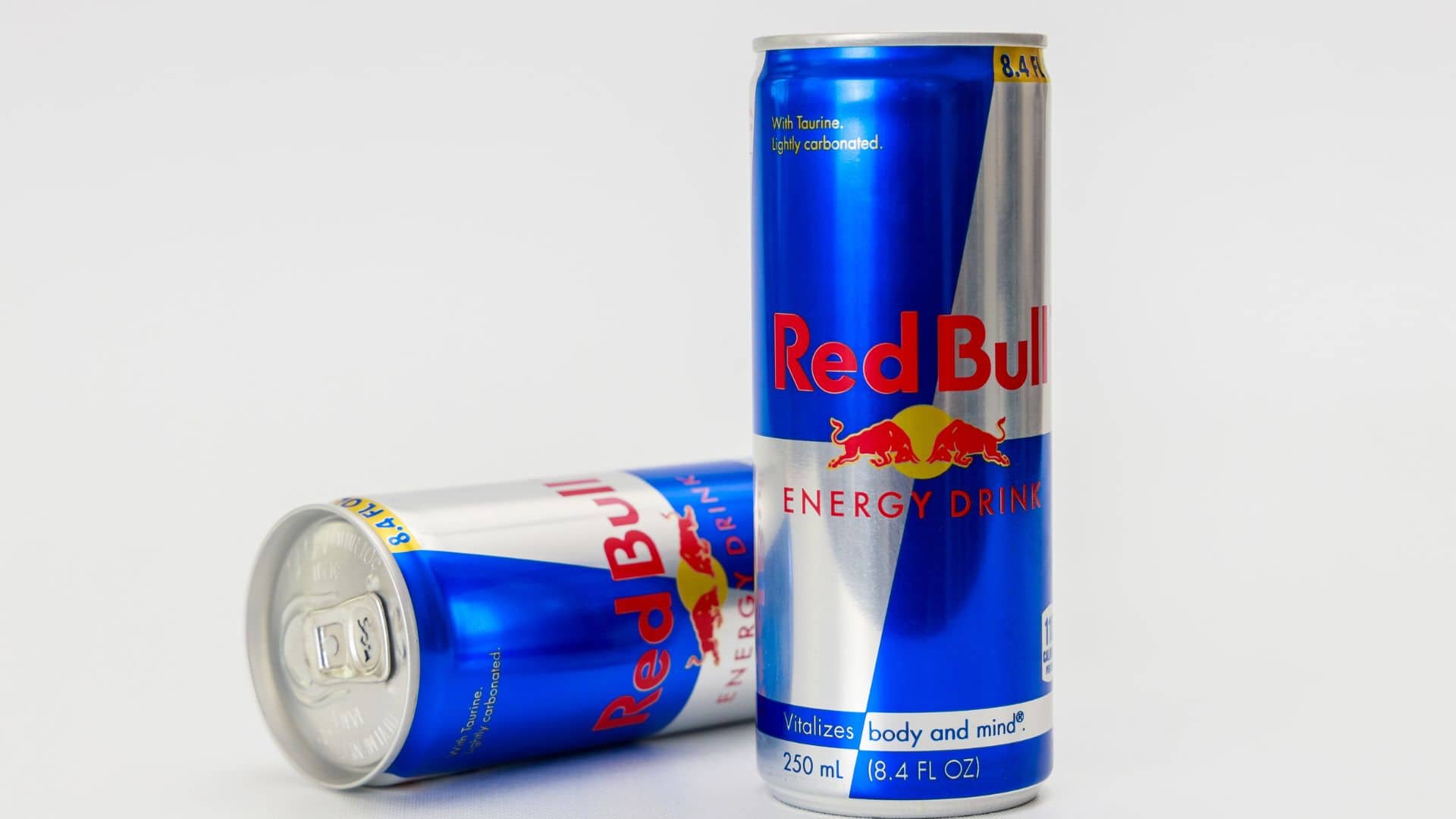
Yet while American teens can freely purchase drinks containing as much caffeine as four cups of coffee, many countries worldwide are implementing strict controls. Some have banned sales to minors entirely, others impose heavy taxes, and a few nations have even prohibited certain energy drinks for over a decade.
This growing international regulatory trend raises important questions for American families. With mounting health concerns and increasing restrictions abroad, parents and policymakers are beginning to ask whether the United States should follow suit.
How Other Countries Handle Energy Drinks
Many governments have decided that high-caffeine drinks don’t belong in the hands of kids.
In the United Kingdom, the government has announced plans to ban sales of energy drinks containing more than 150 milligrams of caffeine per liter to anyone under 16. According to government data, about 100,000 children in Britain drink at least one of these beverages every day. Officials believe the ban could prevent obesity in up to 40,000 children and deliver tens of millions of pounds in health benefits.
Elsewhere in Europe, restrictions have gone even stricter. Lithuania and Latvia prohibit the sale of energy drinks to anyone under 18. Poland introduced the ban in 2024. Poland’s law also pulled the drinks from vending machines and schools, and even limited advertising aimed at kids.
Although there is no national ban in Italy, France, and Sweden, energy drinks are often restricted in schools in these countries. Those that are sold require proper warning labels, especially in France and Italy.
The approaches to handling this may vary, but the goal is one: to control the overconsumption of these drinks. Many countries see energy drinks as a health risk, particularly for kids, and are treating them more like alcohol or tobacco than soda.
Energy Drinks in the U.S.
In America, energy drinks are treated no differently than soft drinks. There are no federal age restrictions, no special taxes, and no nationwide rules on where or how they can be sold. Convenience stores and supermarkets stock them freely, and anyone can buy them.
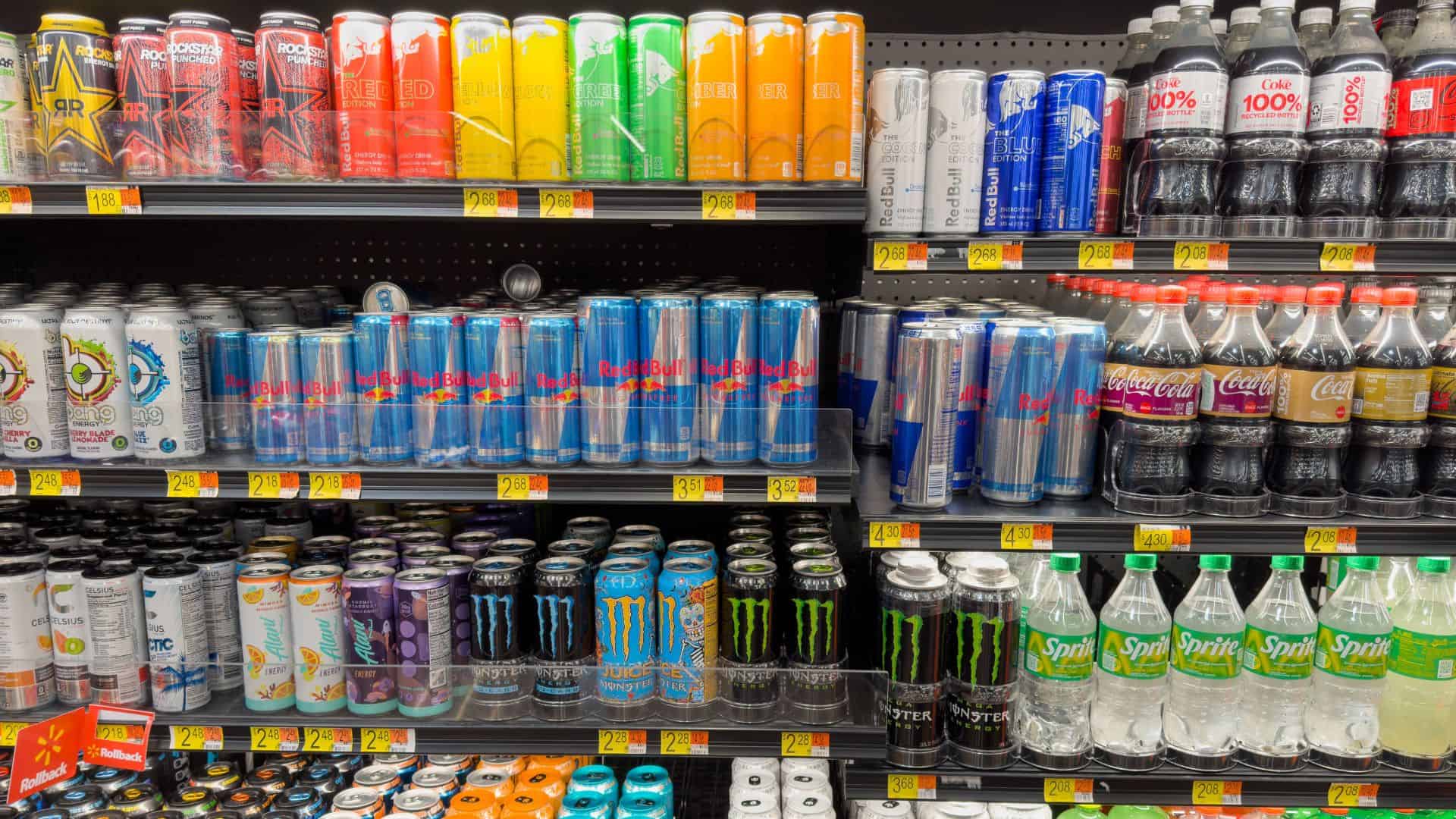
Consumption is widespread. According to a study, 30% to 50% of adolescents and young adults in America consume energy drinks. This demand has fueled a massive market. The United States energy drinks market is estimated to grow from US$20.71 billion in 2024 to US$41.36 billion by 2033, at a CAGR of 7.99% from 2025 to 2033.
A single 16-ounce can of Monster packs about 160 milligrams of caffeine, while an 8.4-ounce Red Bull has roughly 80 milligrams, making it about half as strong. By comparison, an average 8-ounce cup of brewed coffee can range anywhere from 102 to 200 milligrams.
Unlike many European countries, the United States has no strict regulations on energy drink consumption, beyond basic caffeine disclaimers or restrictions on where energy drinks can be sold. They sit on shelves beside soda and bottled water, and the industry is largely left to police itself. This absence of oversight makes the U.S. an outlier among developed nations, leaving parents and health experts to question how long the country can avoid the kinds of limits already in place in other countries.
Health Concerns Driving These Regulations
Health officials are warning that energy drinks are becoming a growing problem for kids. America’s Poison Centers have seen a recent uptick in cases of pediatric exposure to energy drinks. From 2022 to 2023, there was a 24.2% increase in such calls for children and teens under 20 years old. Children 6 to 12 years old experienced the largest proportional increase in energy drink cases, rising from 11% of pediatric energy drink cases in 2020 to 20% in 2023.
Most of the time, kids weren’t even aware of what they were drinking or how much caffeine was in it. Only a small fraction, under 15%, involved intentional use among kids and teens for high energy or physical performance.
The symptoms health workers noticed include insomnia, rapid heartbeat, high blood pressure, shakiness, dehydration, anxiety, and stomach problems like nausea or vomiting. While the severity of cases hasn’t increased, the sheer rise in numbers has health officials concerned. Energy drinks are a growing public health concern, directly tied to their widespread availability and aggressive marketing.
While many cans already carry warning labels saying they’re “not recommended for children,” some large retailers have voluntary age policies. But smaller convenience stores continue to sell freely to kids, and without legal enforcement, those warnings carry little weight.
What the Future Might Hold
Compared to Europe, the U.S. still stands out as an exception. Other countries have passed bans, age limits, advertising restrictions, and even special taxes, while America leaves decisions up to consumers.
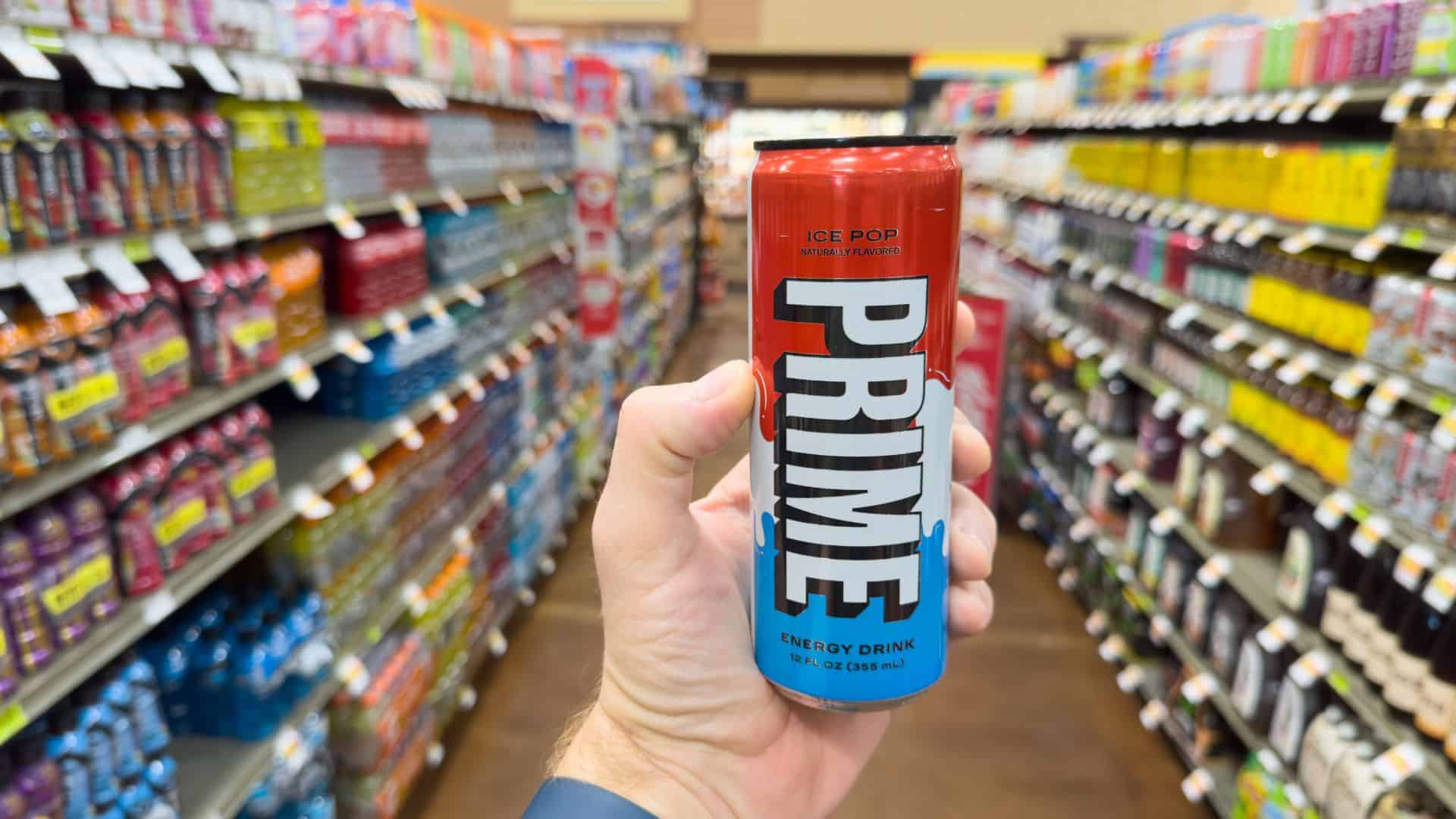
That could change. Parents and teachers are raising alarms about how energy drinks affect kids’ behavior, sleep, and school performance. Public health researchers continue to release studies linking energy drink use to serious risks. And internationally, more countries are introducing restrictions each year.
Energy drink companies bring in huge profits and have the lobbying muscle to fight off new rules. Because of that, a nationwide ban or age limit doesn’t look likely anytime soon. Any change is more likely to initiate locally, with states or even school districts implementing restrictions. Over time, this could evolve into broader national change, much like the regulation of tobacco has.
Energy drinks aren’t disappearing from U.S. shelves anytime soon. But around the world, countries are taking a harder line.
For now, America is an outlier. But with half of U.S. kids consuming these drinks and evidence piling up about the risks, pressure for change is building. The question isn’t whether energy drinks will come under more scrutiny, but how long it will take for U.S. lawmakers to act.
Leave a Reply