Key Points
- A European tourist shared her frustration on Reddit that a U.S. restaurant added a 20% tip to her total bill without even asking.
- The post sparked debate, with some defending the practice and others calling it unfair and misleading.
- The tipping culture in the U.S. contrasts sharply with that in Europe, where service charges are often added to the bill and tips are generally optional.
A European tourist recently experienced a rather unpleasant surprise at an American restaurant, and their story is sparking a lot of conversation. The tourist shared her experience on Reddit, explaining how she was caught off guard when the restaurant automatically added a 20% tip to the bill. The post sparked a heated discussion about whether this kind of automatic charge is reasonable or just another example of how out-of-hand tipping has become in the U.S.
The story
According to the post, the tourist had no idea the fee would be added until the bill arrived with a 20% additional tipping charge. The extra charge left her upset and questioning whether this was common practice. And instead of a fixed charge, she left only 5% leaving her boyfriend commenting that she was being too ‘harsh’ as it’s the norm in the United States to tip.

The reactions
Many Reddit users responded in support of tipping culture, making it clear that it’s a custom not to be surprised about.
One commenter noted that tipping is frustrating, but insisted the tourist should not have been surprised:
"I mean, I agree that tipping is a terrible custom in the US, but this has been standard for decades now. When I go to Asia, I don't tip bc that's the culture, and I learned it before I went. I think you overreacted."
Others were more direct, saying that following customs is part of traveling.
"Don't vacation somewhere that you aren't willing to follow their customs. If you don't believe in it there are hundreds of other places you can visit. The way it seems in North America is that if you can't afford the tip, you can't afford the meal. Go to a fast food place if you don't want to participate in the customs of a place you knowingly chose to visit."
Another commenter explained why tips matter so much for U.S. workers:
"The tipping of servers is important in the US because their employers are legally allowed to pay them far below minimum wage. The system is unfair to everyone, but a 20% tip is standard when dining in. Please understand also that most servers have to share their tips with other staff, too (like busboys). Adding the tip to the bill is annoying, but some places that have a lot of visitors resort to this because tipping is not always well understood by non-natives."
Not all users defended the restaurant
Some said the fee should always be explained up front:
"Yep, I’m not a fan of them adding the tip automatically. Not all restaurants do that. You should have taken your complaint to the manager."
Another user added, "Automatically adding 20% to the bill without the customer knowing in advance is not an American custom. It's fraud."
One commenter reflected on how quickly the tipping expectations have changed in the United States:
"It's gotten a bit wild. 20 years ago it was 5% to 10% Now 20% is pretty common, but you are not overreacting. If you go somewhere and the price says $10 and then you get charged $12, it's valid to be upset."
The thread made clear that frustration with tipping is not limited to tourists. Even locals feel the system has become confusing and sometimes unfair.
Tipping culture in the United States
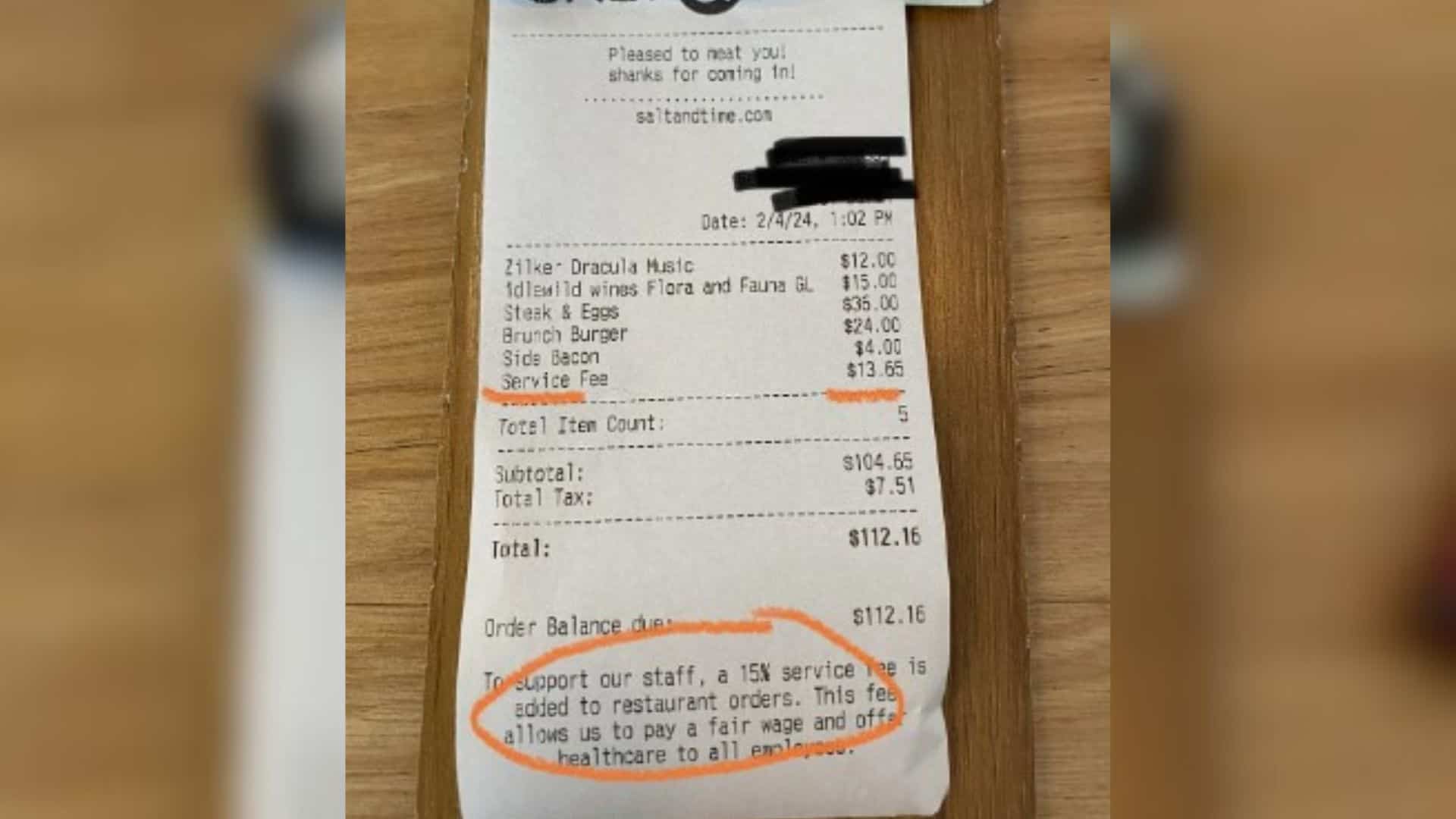
Tipping has been part of American dining for more than a century. Unlike many countries, U.S. restaurants often pay servers below the standard minimum wage, with tips expected to make up the rest. Because of this, tipping is not seen as optional. However, this may vary from restaurant to restaurant.
A 2023 Pew Research poll found that in sit-down restaurants, 57% of the guests tip 15% or less. While 25% of them pay around 20% or more, the amount corresponds highly to income, age, and other factors more than to the actual service.
At the same time, more restaurants, especially in tourist-heavy cities, have begun adding automatic gratuities to bills to avoid confusion and guarantee that staff are paid a fair wage.
Differences between the U.S. and Europe
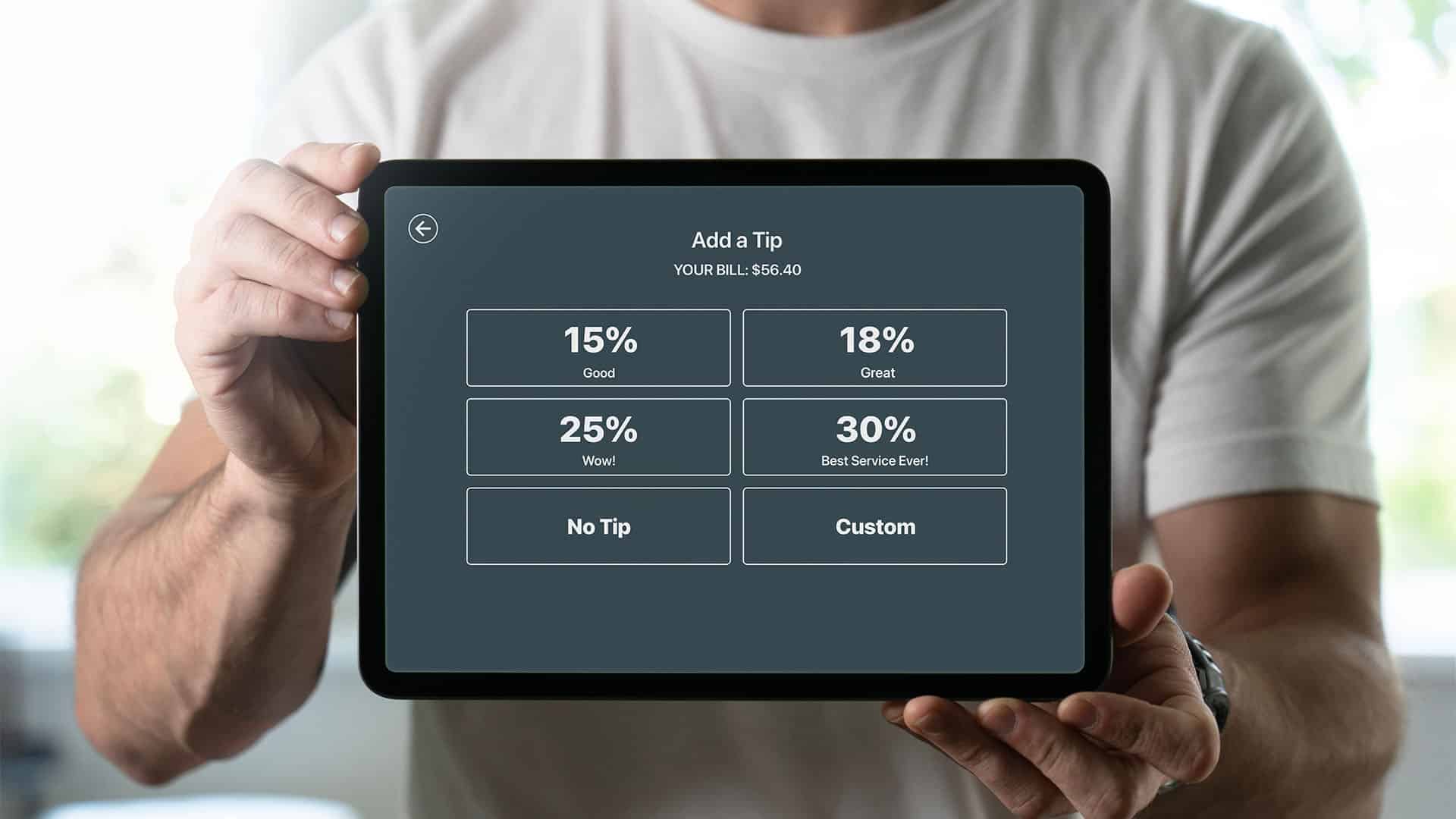
The contrast between the two continents helps explain the tourist’s frustration. In much of Europe, tipping is seen as something that should be earned, not expected. A server may receive a few coins or a small percentage of the bill if the service was good, but it is not required.
In countries like France, Italy, and Spain, a service charge is often already included in the price, and rounding up the bill is enough. In Scandinavia, tipping is generally not expected, as wages are high and service is typically included in the menu price.
For many Europeans, the idea of adding 20% automatically feels excessive. For Americans, though, it is simply part of how the dining industry works in the country.
There seems to be no end
Tipping in America has undoubtedly been out of control, and automatic fees only add to the tension.
Compared with Europe, where tips are smaller and often included in the bill, the U.S. system may seem confusing and costly to many. And situations like these, where people are forced to pay a certain percentage, are unacceptable for tourists and locals alike.
Until change comes, travelers will need to adjust to American customs, and Americans will continue debating whether tipping should remain a way of life or finally be reformed.
Leave a Reply