
One simple mistake is costing American families thousands every year.
Key Points:
- Research shows shoppers spend an average of $26 more per grocery trip when shopping on an empty stomach.
- Overspending is also driven by other factors, such as seeking “healthy” labels, buying in bulk without a plan, or sticking to a single brand.
- Simple habits, such as eating beforehand, preparing a shopping list, and avoiding peak shopping hours, can help reduce costs.
Your grocery bill keeps getting higher, but you can't figure out why. You clip coupons, check store sales, and even buy generic brands when you can. Still, every trip to the store somehow ends up costing more than expected.
The culprit might not just be the grocery prices. There is one simple mistake that is quietly draining grocery budgets, and most shoppers don’t even realize it’s happening. Heading to the store on an empty stomach makes a huge difference; research shows it can add about $26 more to the bill every single trip.
Shopping On An Empty Stomach: The $26 Mistake
A survey of 2,000 Americans found that their grocery habits are significantly impacted by hunger, among other factors. People who shop on an empty stomach consistently spend $26 more than they planned. That might not sound like the end of the world until you realize most people are hitting the grocery store twice a week with about $162 budget in hand.
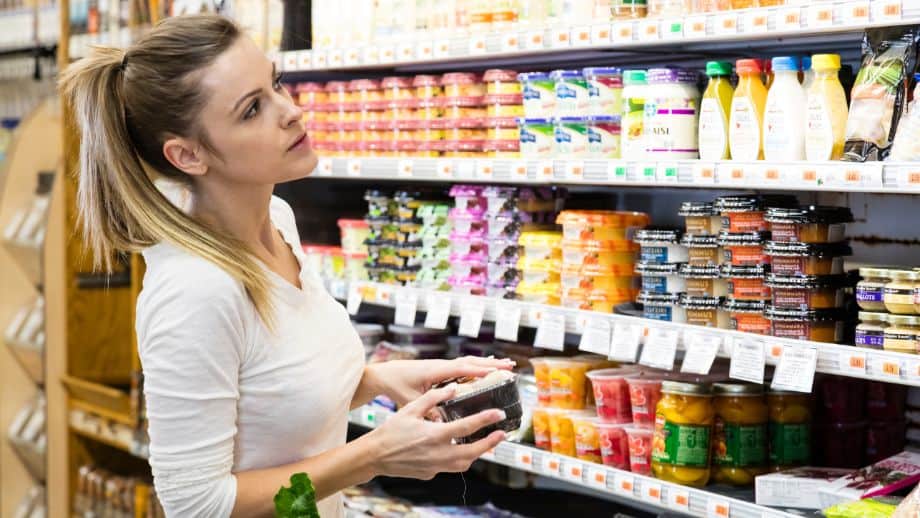
About 76% of people admitted they blow their budget when their stomach is growling. Another surprising fact is that about 6 out of 10 people completely forget about trying to eat healthy when they're hungry while shopping. That makes about 20% more spending than the planned budget.
Think about it. You walk into the store planning to buy chicken, vegetables, and maybe some yogurt. But your blood sugar is decreasing, everything looks tempting, and suddenly you're walking out with cookies, chips, and whatever else caught your eye.
Shopping Habits that Affect Grocery Budget
The timing couldn't be worse for most people. The research shows that the absolute worst time to shop is between 4:00 p.m. and 5:59 p.m., which is exactly when most people are getting off work, starving, and thinking, "I should probably get groceries."
Most grocery trips take approximately 39 minutes, and people typically need to visit two different stores to obtain everything they need. They are already spending over an hour shopping, and if you're doing it hungry, you're guaranteed to spend more money.
The research revealed some interesting patterns about what Americans consider essential grocery items. More than half of shoppers always buy bread (54%) and eggs (52%). Meat comes in third at 51%, followed closely by milk or dairy alternatives at 50%. Coffee and bananas each made the list for about 35% of shoppers.
According to the survey, most Americans generally want variety in their meals (35%), convenient options they can prepare quickly (34%), plenty of protein (32%), and affordable choices (30%). These priorities make sense for busy families who are trying to balance nutrition, time, and budget.

Even those last-minute impulse buys follow predictable patterns. Bananas top the impulse purchase list at 33%, with grapes (30%) and apples (22%) rounding out the most common spontaneous fruit purchases.
According to William Goldfield, director of corporate communications for Dole, "A high-quality food shouldn’t break the bank. It should nourish us, be ethically sourced, and be readily available to consumers." He further mentioned, “We believe health should be our highest priority and should be reflected in the way people shop. For our 125th anniversary of growing and marketing bananas, we commissioned this study to look at how Americans spend on what’s important to them when it comes to food and their hierarchy of food needs.”
Other Grocery-Shopping Mistakes That Impact the Budget
Other than shopping on an empty stomach, here are some mistakes that can impact your grocery budget:
Packaging Labels
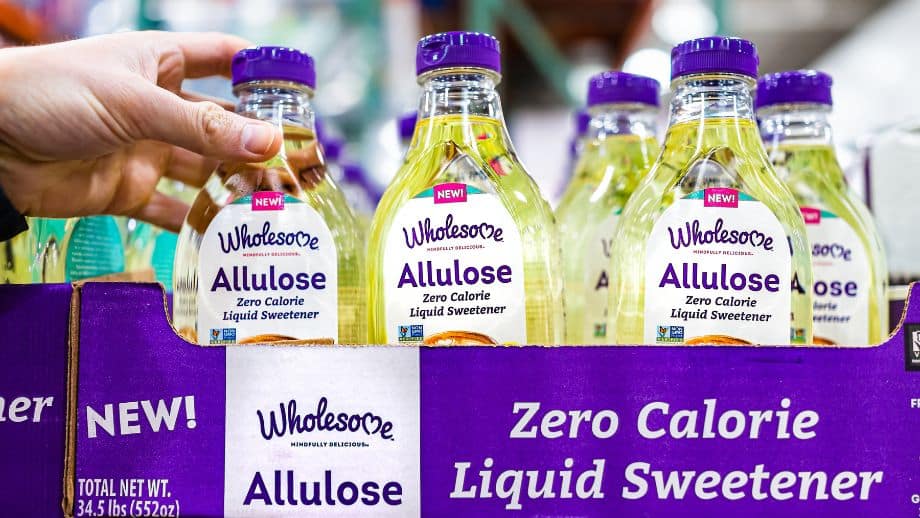
“Healthwashing” labels; terms like “multigrain,” “sugar-free,” "zero calorie," or “organic” can encourage purchases that may not be healthier or better value. A Talker Research survey found 82% of shoppers are swayed by these labels, even though cost and personal preference often outweigh nutritional benefit.
Overbuying Perishables Or in Bulk With No Plan
Buying in bulk can save money, but only if the items are needed or stored correctly. Otherwise, it leads to waste. Similarly, obtaining perishable items without a meal plan can result in throwing food away, along with the money spent on it.
Skipping Generic/Store Brands
Sticking only to name brands is another quiet drain on the wallet. The survey indicates that approximately 41% of Americans prefer to purchase name brands. Even if they are not available, they are willing to find them in other stores. While brand loyalty is not inherently bad, it can certainly take a dent out of your wallet.
How to Control Grocery Budget

You don't need to change your entire lifestyle or become a grocery expert to manage your budget effectively. Just try these basic strategies:
Eat Something First: This seems obvious, but consider having a snack before you leave. Even something small can fill up your stomach. You will thank yourself when you're not impulse-buying half the store.
Shop Early in the Day: If possible, shop between 8:00 and 10:00 a.m. Way fewer people, shorter lines, and you can actually think clearly about what you're buying.
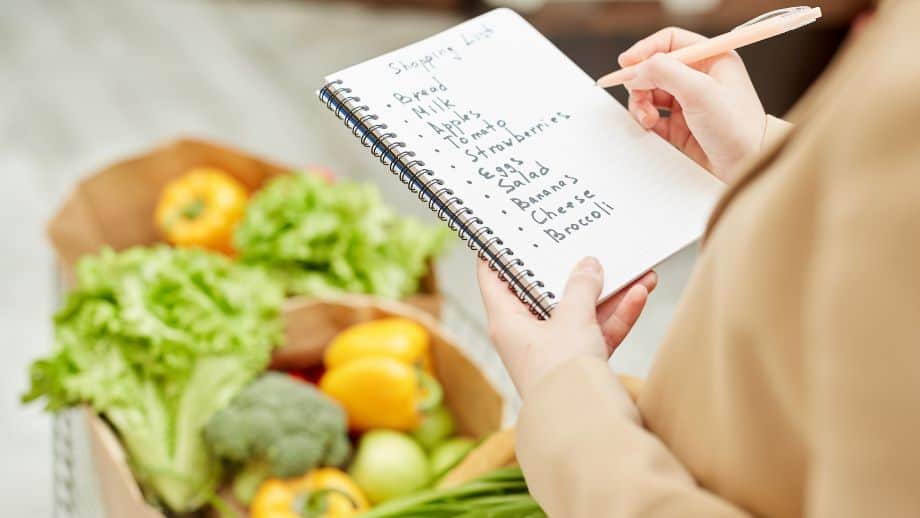
Make a List and Stick to It: People who make a shopping list tend to spend less money. Write down what you need before you go, and try to stick to it.
Check Store Ads First: Instead of driving all over town looking for specific brands, check the store ads to see what is on sale and plan meals around those deals.
Combine Your Trips: The fewer times you're in the store, the fewer chances you have to overspend. Try to get everything in one trip instead of multiple store runs.
Next time you're about to head out for groceries and your stomach starts rumbling, just stop and eat something first. Anything: a piece of toast, some leftover pizza, whatever is handy.
Taking a few minutes to eat something before leaving home could save you $26 immediately and thousands of dollars annually. You'll also make better food choices and actually follow your budget.
Leave a Reply