
Food is more than just fuel; it’s a part of our daily lives, our celebrations, and even our memories. What you eat, how much you eat, and how you feel about eating can significantly impact both your physical health and emotional well-being. When your relationship with food is healthy, meals become moments to enjoy rather than stress over. You can listen to your body, trust your choices, and savor every bite without guilt. In this article, we’ll share a few signs that show you’re building a positive, balanced connection with food.
Note: The content of this article is for informational purposes only and is not a substitute for professional advice. Always consult with a qualified professional for advice tailored to your individual circumstances.
You're Not An Emotional Eater

While occasional comfort eating is normal, you don’t rely on food as your primary way of coping with emotions. Instead, you have a variety of tools to manage stress, sadness, or boredom, such as exercising, pursuing hobbies, or talking to loved ones. By finding balance, you prevent food from becoming a substitute for emotional support.
You Eat When You're Hungry

Eating in response to your body’s hunger signals is a cornerstone of a healthy relationship with food. Rather than adhering to rigid schedules or external rules, you listen to your internal cues. This intuitive practice ensures you’re providing your body with the energy it needs. By honoring your hunger, you create a balanced approach to nourishment that keeps you energized throughout the day.
You Stop Eating When You're Full

Knowing when to stop eating is just as important as knowing when to start. Pay attention to your body’s fullness signals and stop eating when you feel satisfied, not overly full. This mindful habit prevents overeating and promotes a balanced intake of nutrients. It’s a clear sign that you respect your body’s natural cues and prioritize its well-being.
You Focus On Nourishment, Not Restriction
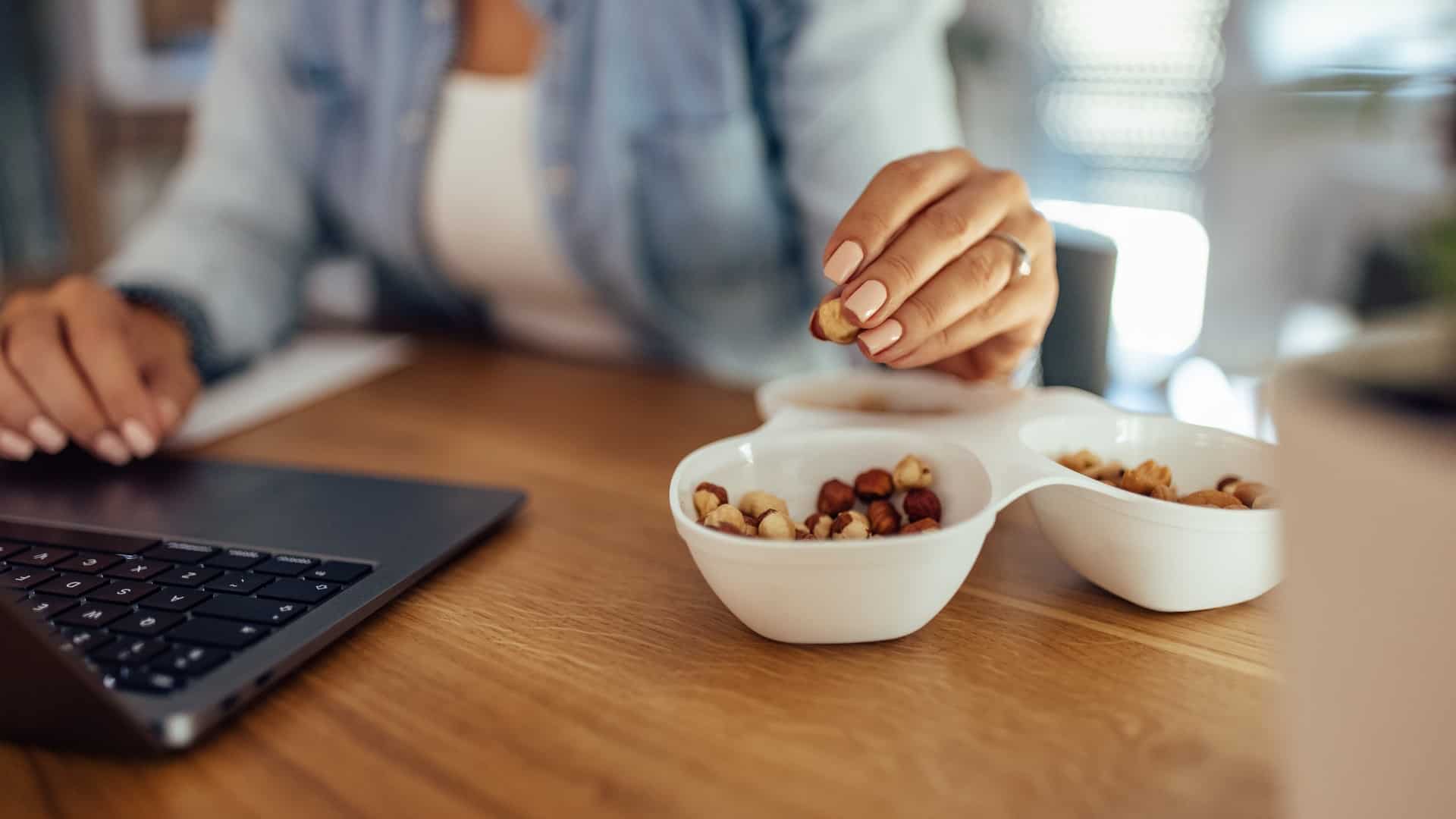
Instead of obsessing over restricting calories or cutting out specific foods, you prioritize nourishing your body with wholesome, nutrient-rich meals. This approach supports long-term health and encourages a positive attitude toward eating. By focusing on what your body needs, you cultivate a sustainable and enjoyable way of eating.
You Enjoy A Variety Of Food

A diverse diet, one that incorporates a variety of foods and cuisines, reflects a positive relationship with food. Including a variety of ingredients ensures you’re getting essential nutrients while keeping meals interesting. This openness to trying new foods demonstrates an appreciation for the joy and value that food brings to life.
You Don't Feel Guilty About Your Choices

One of the hallmarks of a healthy relationship with food is the ability to enjoy your meals without guilt. Whether it’s a wholesome salad or a decadent dessert, you focus on savoring the experience instead of feeling bad about your choices. This guilt-free mindset promotes balance, allowing you to enjoy all foods in moderation.
Food Is Your Friend, Not Your Enemy
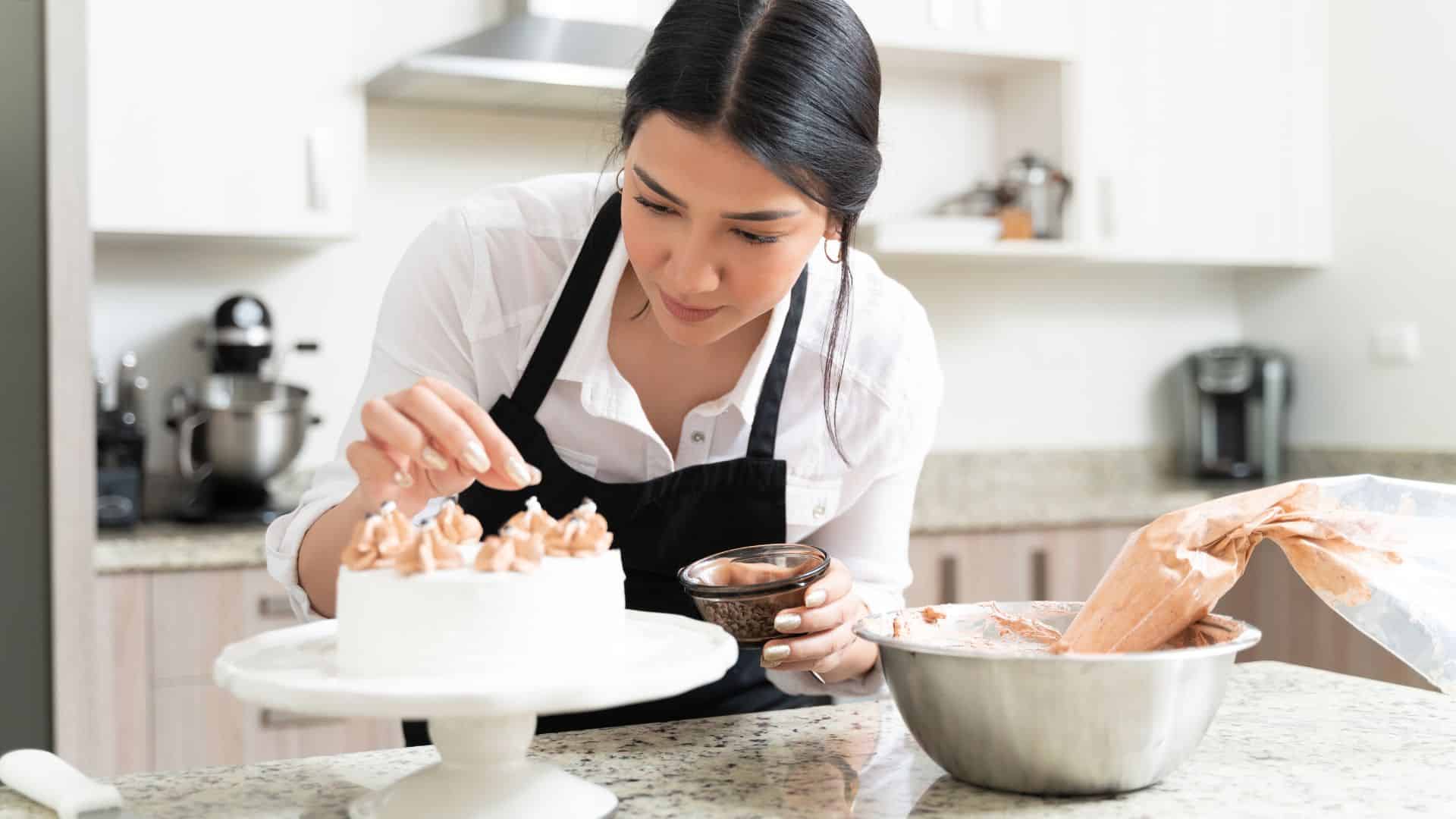
At the core of a healthy relationship with food is seeing it as a friend, not an enemy. You appreciate food’s ability to nourish your body, energize your day, and bring moments of joy. This positive outlook enables you to maintain balance, appreciate variety, and genuinely savor the act of eating.
You Eat For The Right Reasons

Food is both fuel and pleasure, and you recognize the importance of both aspects. You enjoy meals for their taste, cultural significance, and the joy they bring while also appreciating their role in fueling your body. This balanced perspective allows you to enjoy your meals without overeating.
You Don't Ignore Your Body

Acknowledging and respecting your cravings is a key part of a healthy food relationship. You understand that cravings often signal your body’s need for certain nutrients or energy. Instead of ignoring or suppressing these signals, you honor them in moderation, maintaining a balanced and fulfilling diet.
You Plan Balanced Meals
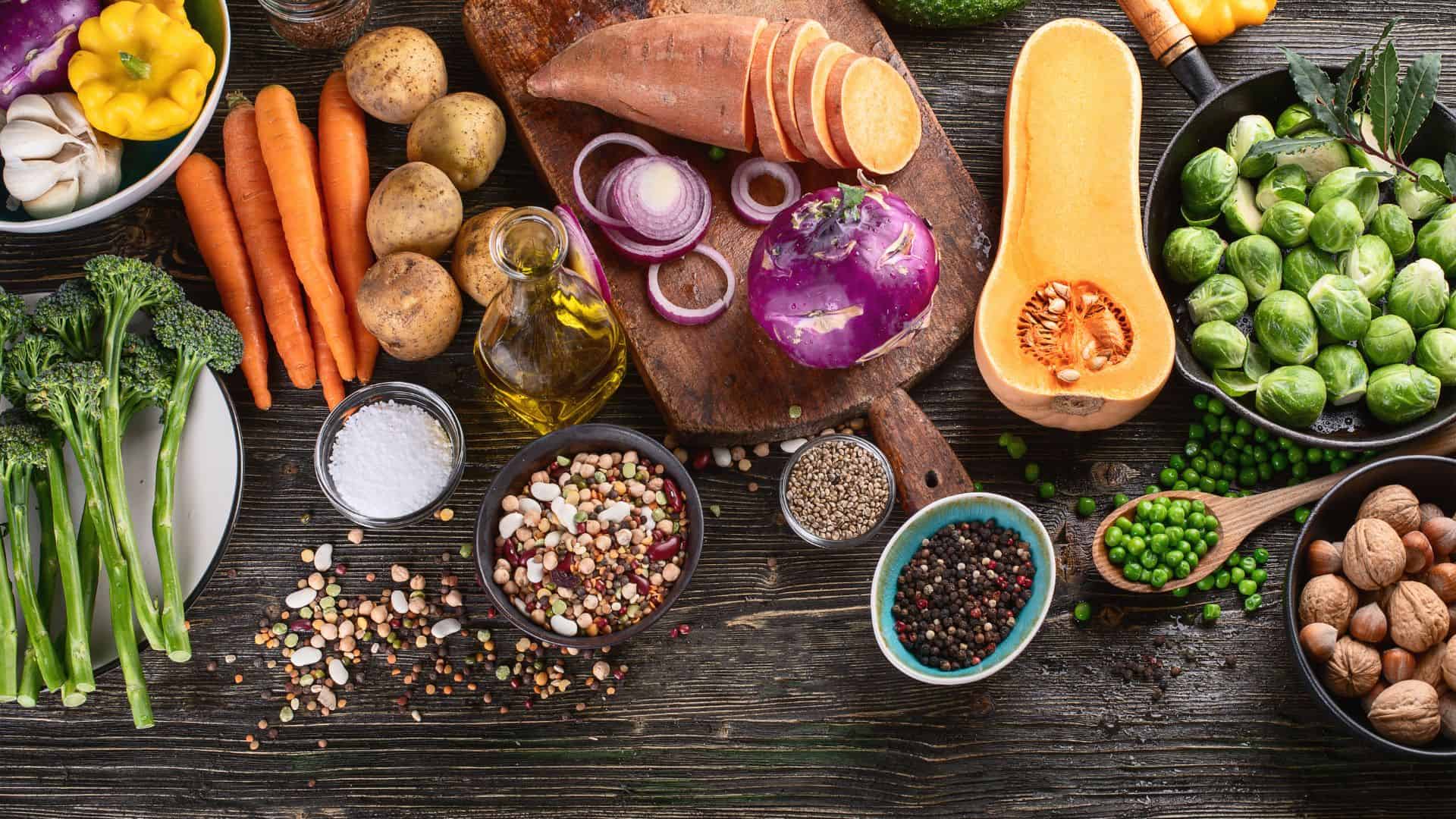
Taking the time to plan meals with a balance of proteins, fats, and carbohydrates demonstrates that you’re mindful of what your body needs. This habit ensures that your meals are not only nutritious but also satisfying. By creating well-rounded plates, you support your body’s energy and nutritional requirements while enjoying a variety of flavors and textures.
You Enjoy Social Eating

Sharing meals with others is an important part of a positive food relationship. You feel comfortable eating in social settings and appreciate the connection and joy that shared meals bring. This comfort around social eating highlights your ability to enjoy food without stress or guilt, even in group environments.
You Stay Informed But Not Obsessed

Being informed about nutrition helps you make educated food choices, but you don’t let it consume your life. You balance knowledge with flexibility, allowing yourself to enjoy a variety of foods without becoming overly strict or anxious. This approach helps you maintain a sustainable and stress-free attitude toward eating.
By recognizing these signs in your own habits, you can celebrate the progress you’ve made in building a positive connection with food. Remember, a healthy relationship with food isn’t about perfection; it’s about balance, enjoyment, and honoring your body’s needs.
Leave a Reply