
We know that you want to give your pretty kitty all the delicious treats in the world. But what may be tasty and exciting to you may be toxic and dangerous for your feline friend. With some help from Pet MD, we are going to explore a few human foods that you should never give to your cat.
Onions

Raw, cooked, powdered, or mixed into other foods, onions are highly toxic to cats. They contain compounds that damage red blood cells, which can lead to anemia and make it difficult for the body to carry oxygen efficiently.
Signs of anemia may include weakness, pale or yellow gums, rapid breathing, and loss of appetite. Even a small amount can be harmful, so it is essential to keep any foods or seasonings containing onion well out of reach of curious paws.
Garlic
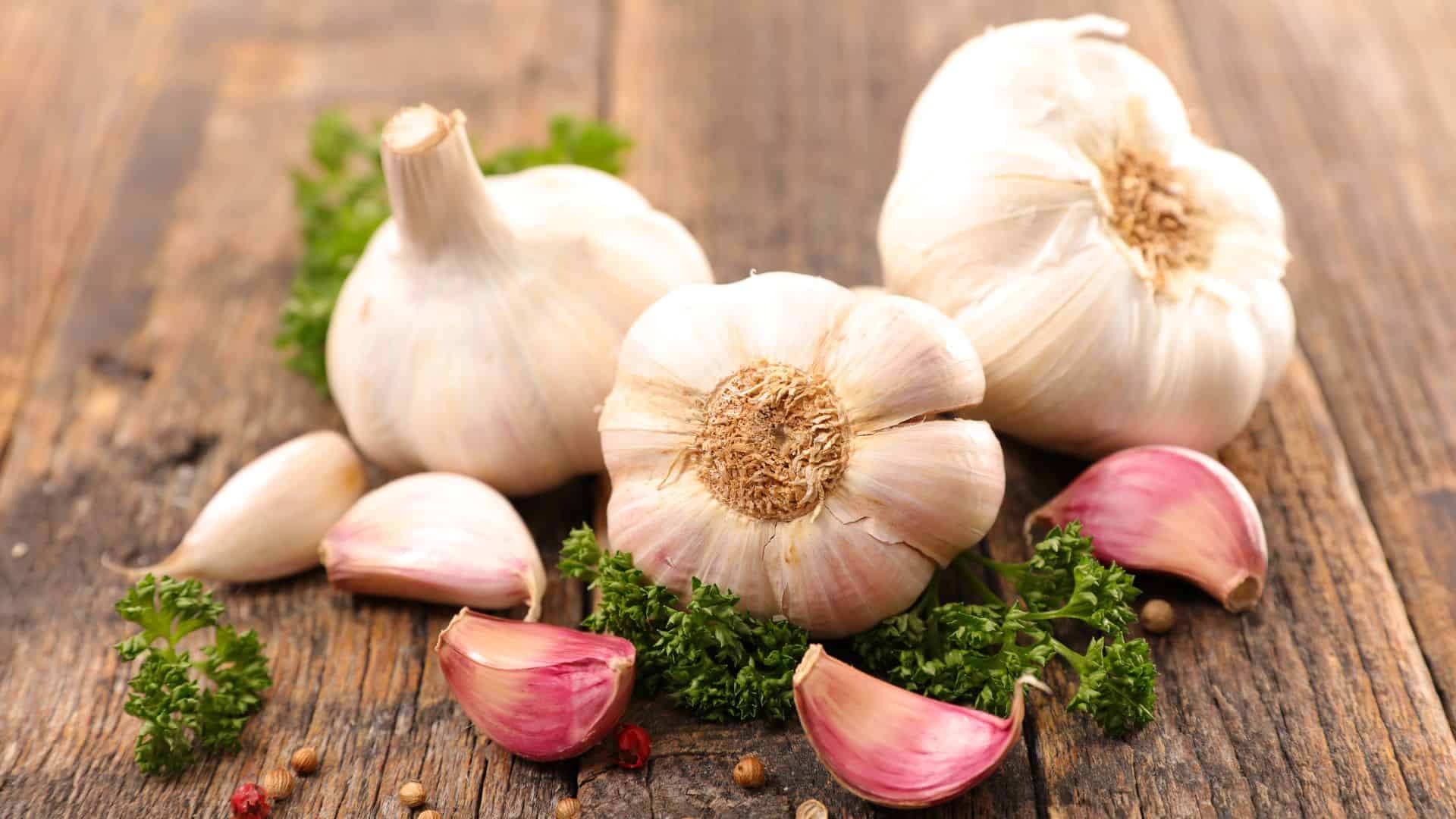
Garlic belongs to the same family as onions and poses similar risks, but it is actually considered more powerful. Just like onions, garlic can cause red blood cell damage, leading to anemia and its associated health risks.
Cats may be tempted to lick up sauces, soups, or leftovers containing garlic, and even powdered garlic can be harmful. Since toxicity can occur with even small doses, it is simply safest to avoid giving your cat anything with garlic altogether.
Chocolate
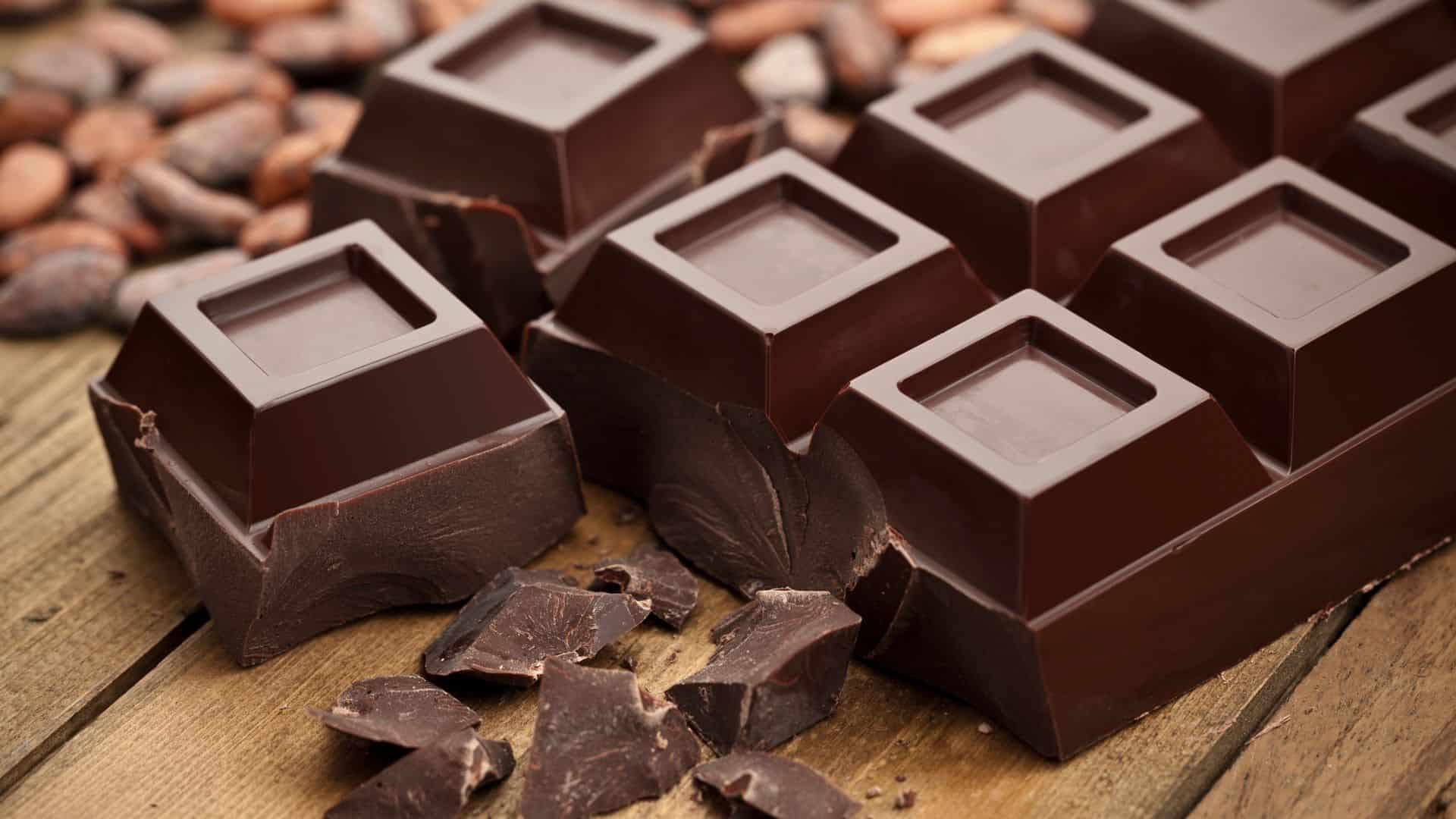
Chocolate is a beloved treat for many people, but it can be dangerous for cats. It contains caffeine and theobromine, two stimulants that cats cannot process effectively. Even a small bite can cause vomiting, diarrhea, restlessness, and, in severe cases, may lead to seizures and heart issues such as irregular rhythm or a rapid pulse.
Dark chocolate contains the highest levels of these compounds, but all types of chocolate have a risk. The safest approach is to keep chocolate completely out of your cat's reach.
Drinks with Caffeine
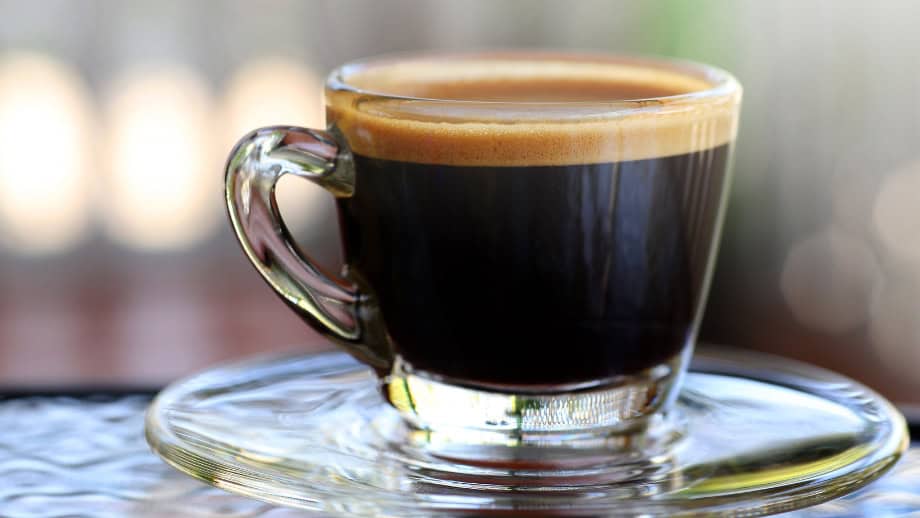
Much like chocolate, caffeinated drinks such as coffee, tea, and energy drinks are best kept out of reach of cats. Caffeine can overstimulate their nervous and heart systems, leading to symptoms like vomiting, trembling, rapid heartbeat, or disorientation. Your cat doesn’t need that morning latte or afternoon energy boost. They already have plenty of pep all by themselves. Keeping these drinks out of reach is an easy way to help them stay happy and healthy.
Alcoholic Drinks

Alcohol hits cats much harder than it does us humans. Even small amounts of alcohol can cause nausea, lethargy, unsteady movement, and slow breathing. A single sip of something boozy could lead to drooling, disorientation, or tremors, and the effects escalate quickly. Never ever share an alcoholic drink with your cat. Not beer, wine, liquor, or even foods cooked with alcohol. It is simply a bad idea all around.
Raw Dough
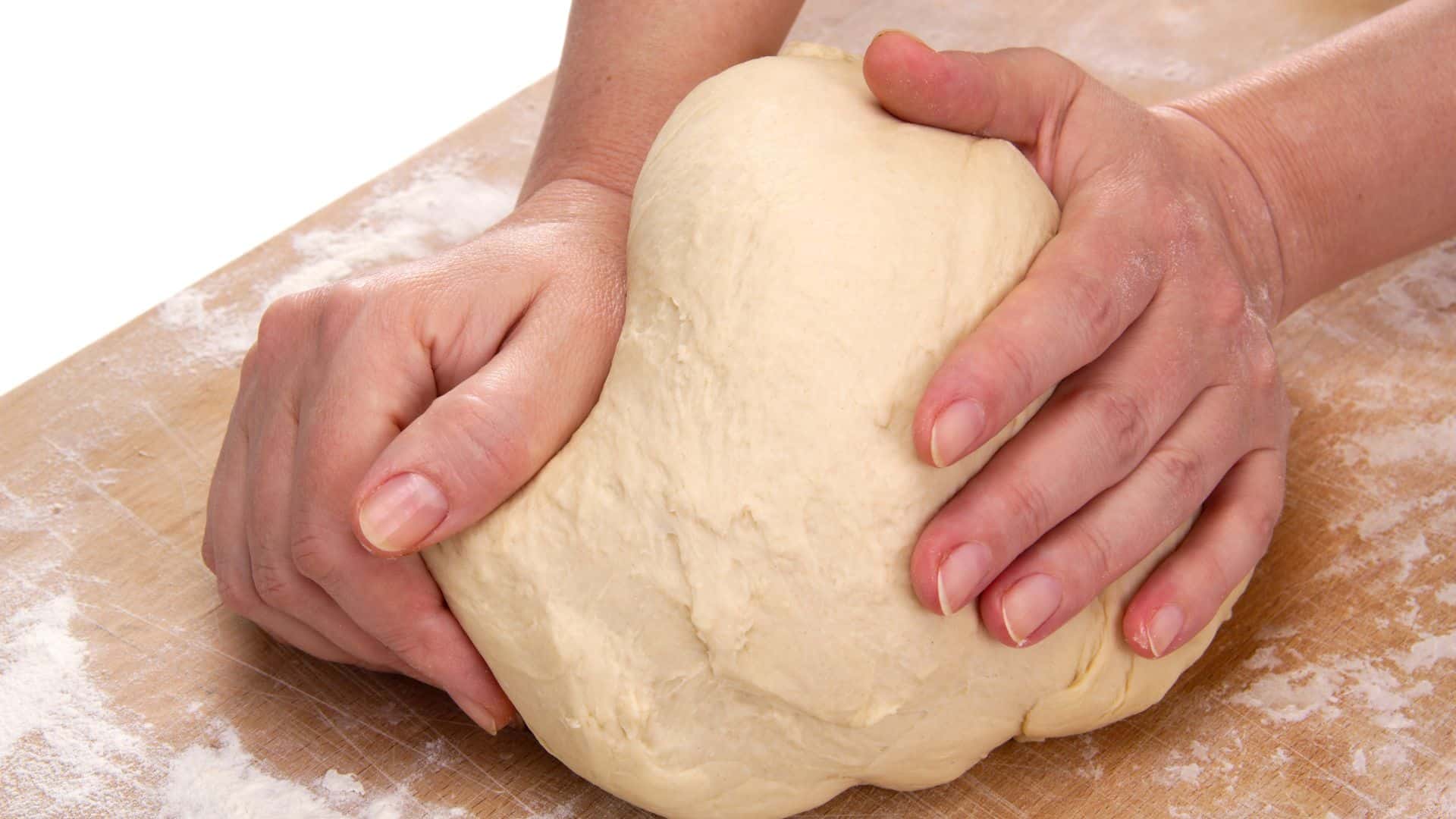
Making fresh bread? Kneading yeast rolls? Just make sure you keep that dough away from your cat. You might see your cat fascinated by that fresh dough, but raw bread dough is dangerous for your curious kitty. The yeast can continue to multiply in the stomach, causing bloating or, in more severe cases, a twisted stomach. If ingested, yeast dough will also produce alcohol as it ferments in the belly, potentially triggering signs similar to alcohol poisoning, like disorientation or even seizures. Yeast dough is a big no-no.
Grapes
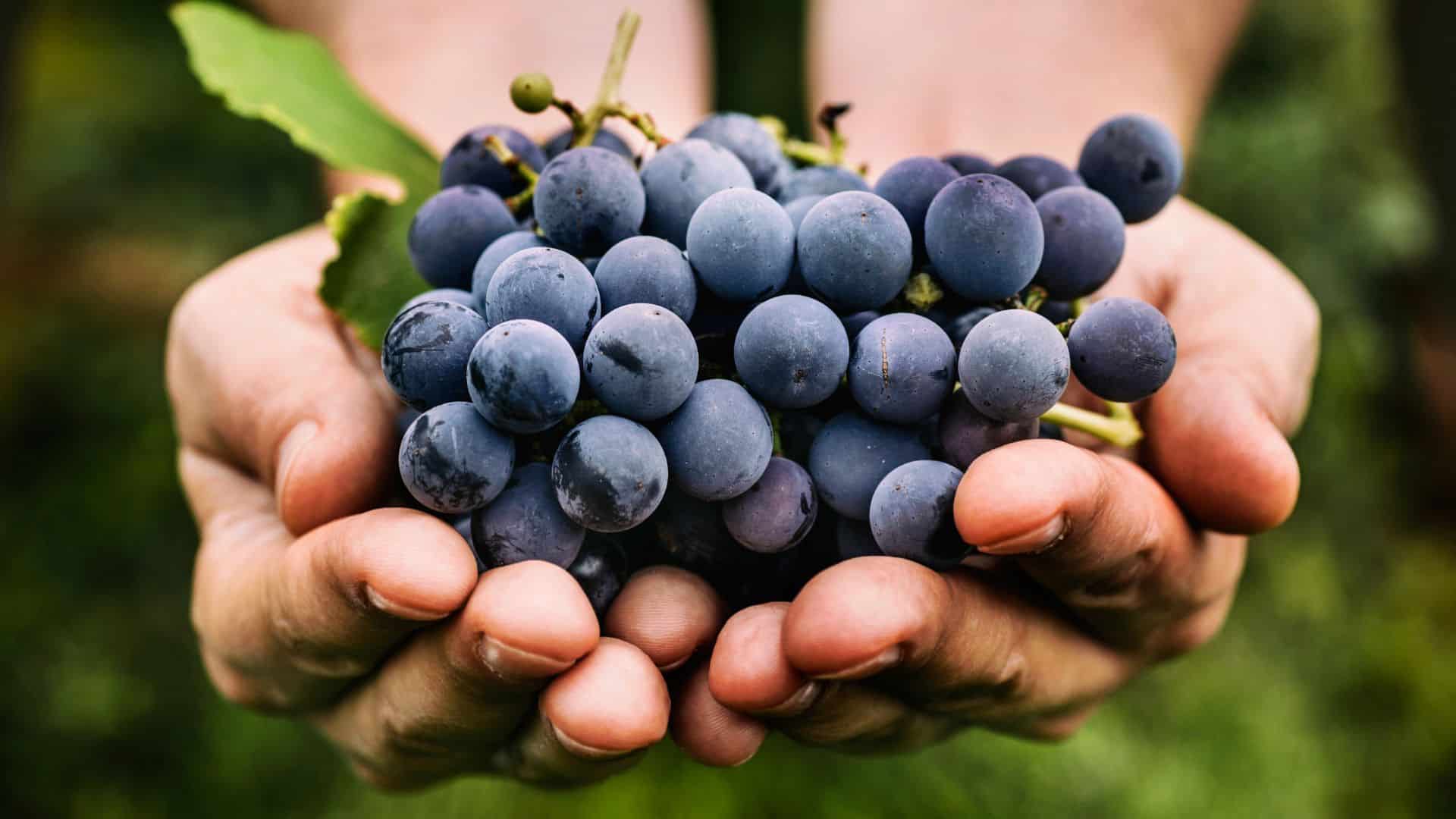
Grapes can cause kidney failure in cats, even in small amounts. Eating just a few grapes may lead to vomiting, lethargy, and increased thirst or urination, and in severe cases, drastically reduced urine output. Grapes can also pose a choking hazard for cats, so to stay safe, experts recommend keeping grapes far away from pets.
Raisins
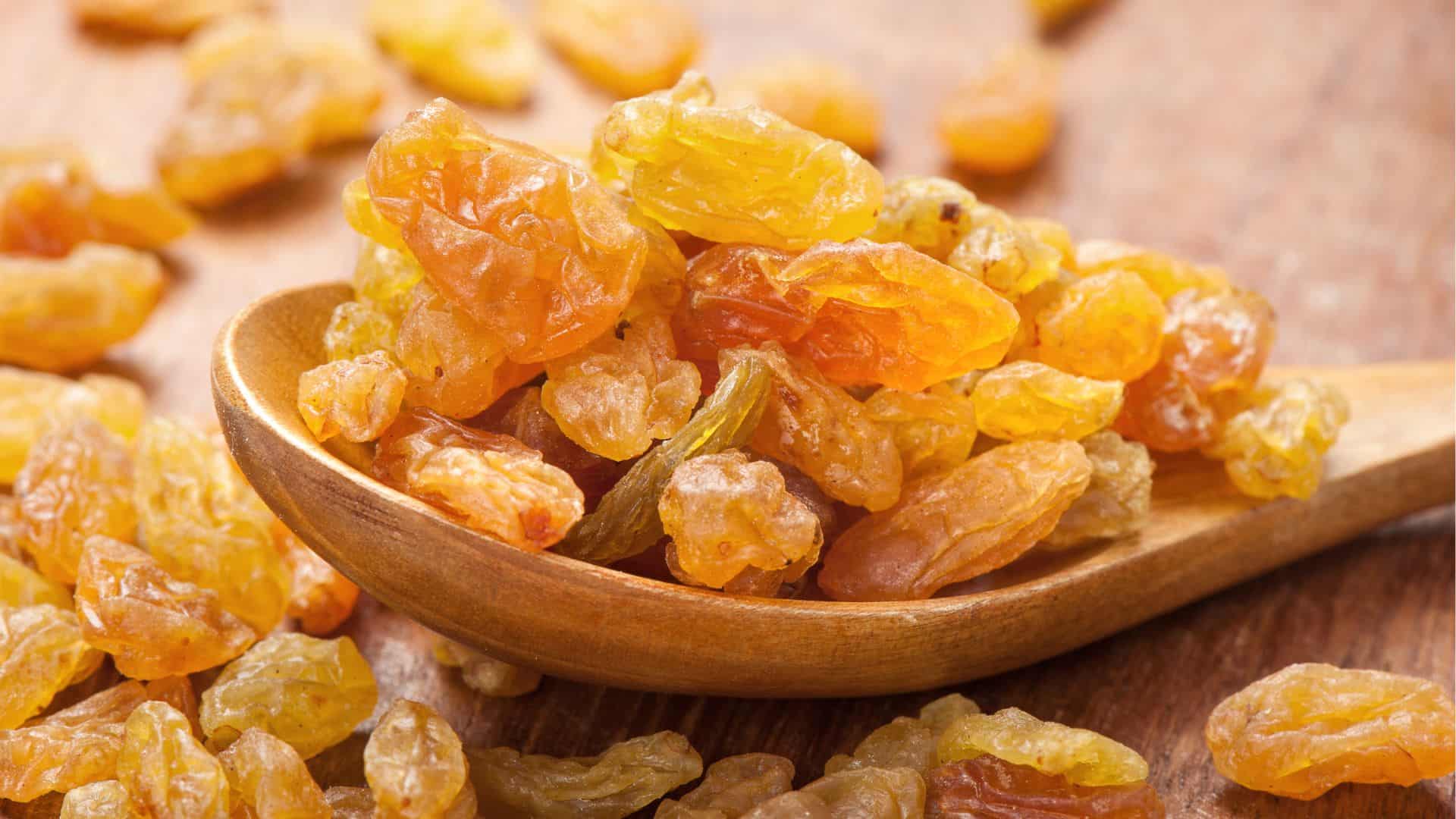
Raisins are dried grapes, and that is why they are just as risky to cats. It is easy for curious cats to snag raisins from baked goods or out of a bowl on the counter, but even a single one can make them seriously ill. The symptoms mirror those of grape poisoning: vomiting, diarrhea, feeling unwell, and reduced urine production. If you spot your cat nosing around raisins, or worse, eating any, reach out to your vet right away.
Raw Meat

Feeding raw meat or eggs to cats carries the risk of food‑borne bacteria like Salmonella or E. coli. Cats may become lethargic, lose their appetite, or experience stomach issues such as vomiting, diarrhea, or fever. It is much safer to feed your feline friend some plain, cooked meat. Remember to store it properly after cooking, as spoiled meat is just as harmful to your cat as raw meat.
Dairy
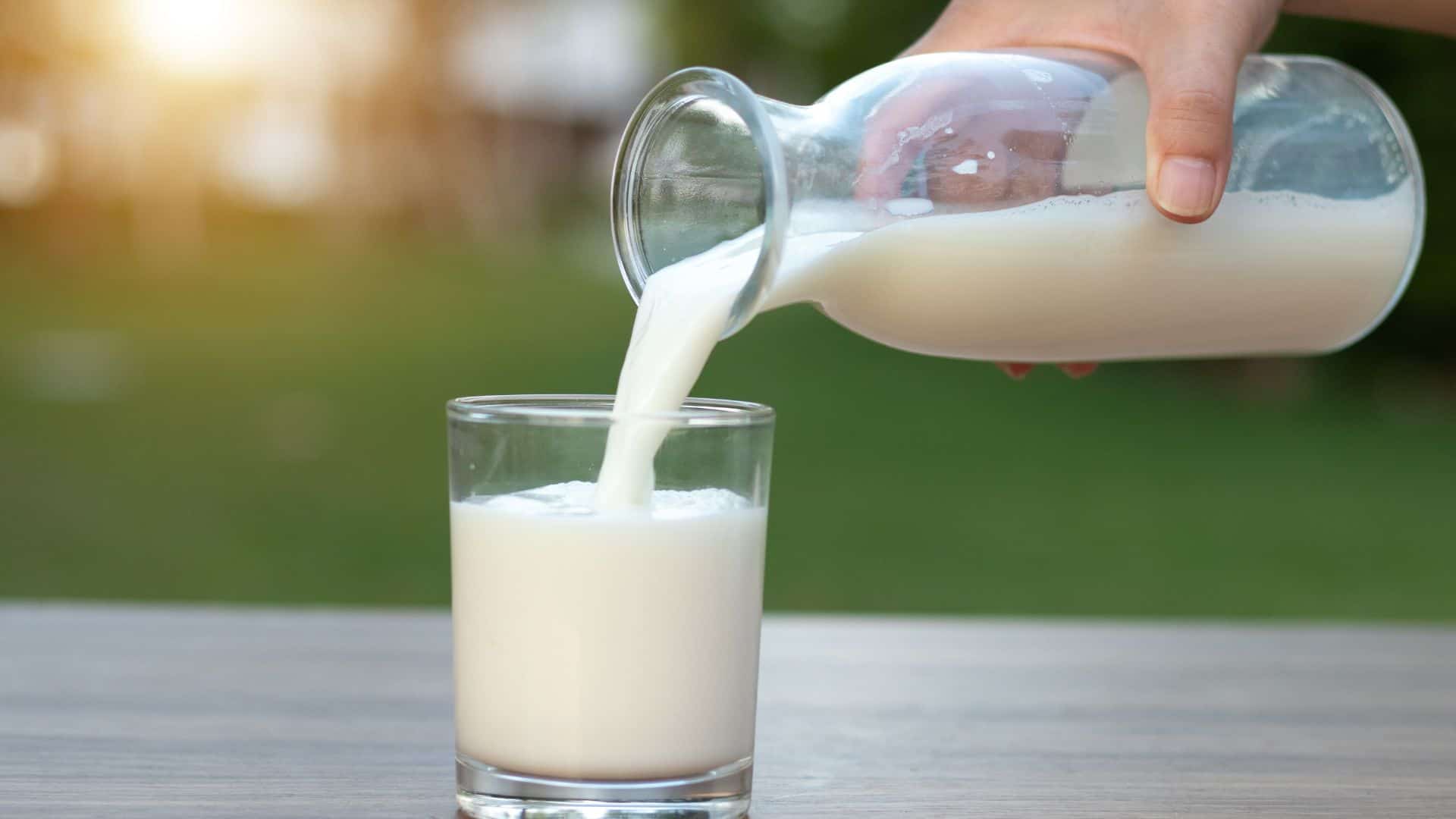
A cat lapping milk from a saucer may be an adorable image, but for most adult cats, milk is not the healthiest choice. Many people are lactose intolerant, which makes digesting milk difficult and can lead to discomfort, including bloating, diarrhea, and gas. Even cats that tolerate lactose can be affected by the extra fat, which can contribute to weight gain and an unbalanced diet. For optimal health, fresh water remains the best beverage for your cat.
Citrus
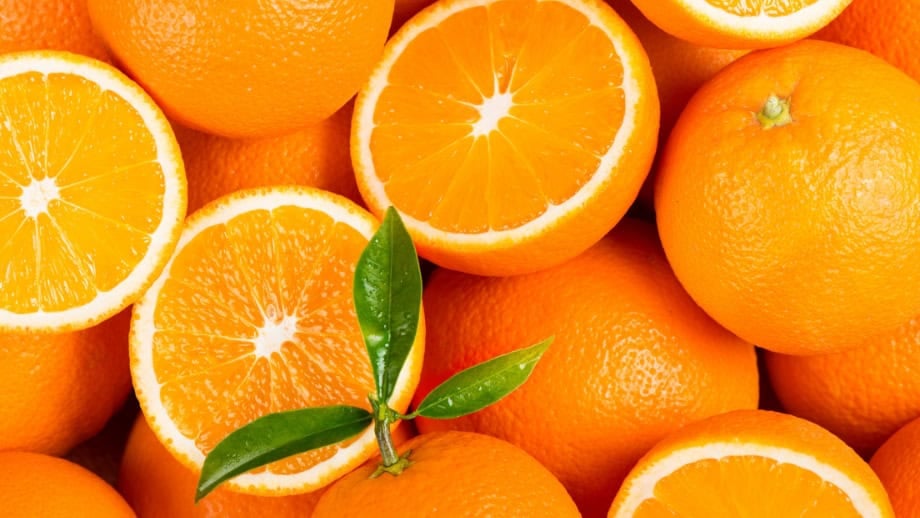
While the juicy parts of oranges, lemons, or limes are not usually toxic, the peel and oils can be irritating to your cat. If your cat eats citrus zest or rubs against a pile of peels, they may experience vomiting, diarrhea, or exhibit signs of a depressed mood. It is just best to keep citrus out of paws’ reach.
Xylitol

Xylitol, a common sugar substitute found in some sugar-free gum, candies, baked goods, and even certain peanut butters, can be highly dangerous for cats. Veterinary experts warn that it may trigger a rapid drop in blood sugar and, in severe cases, cause liver damage or failure. Symptoms such as vomiting, lethargy, loss of coordination, and seizures can appear within an hour of ingestion. Since no amount is considered safe, the best protection is to keep any products containing xylitol completely out of your cat’s reach.
This article was inspired by Pet MD and originally published on Spatula Desserts.
Leave a Reply