
Most people have heard it's risky to eat undercooked meat, but do you know why it matters? It's not just an old kitchen rule passed down over the years. Eating meat that isn't fully cooked can lead to serious health problems, and the effects might be worse than you expect. With help from Only My Health, this article explains the risks of consuming undercooked meat to your body and why it's safer to ensure your food is cooked thoroughly.
Note: The content of this article is for informational purposes only and is not a substitute for professional advice. Always consult with a qualified professional for advice tailored to your individual circumstances.
The Pathogens Hiding in Undercooked Meat
The first thing we need to talk about is pathogens. But what’s a pathogen? It’s really just a fancy word for germs that can make you sick. Bacteria such as Salmonella, E. coli, and Listeria are typically found in undercooked meat. These types of bacteria are microscopic (super small!), but they are severe when it comes to causing illness.
Take Salmonella, for instance. It is very common in raw chicken and eggs. If you undercook your chicken, you’re basically giving Salmonella an invitation to party in your gut. E. coli, on the other hand, is often found in undercooked ground beef. Even a tiny amount of contaminated meat can send you straight to the bathroom or, worse, the hospital.
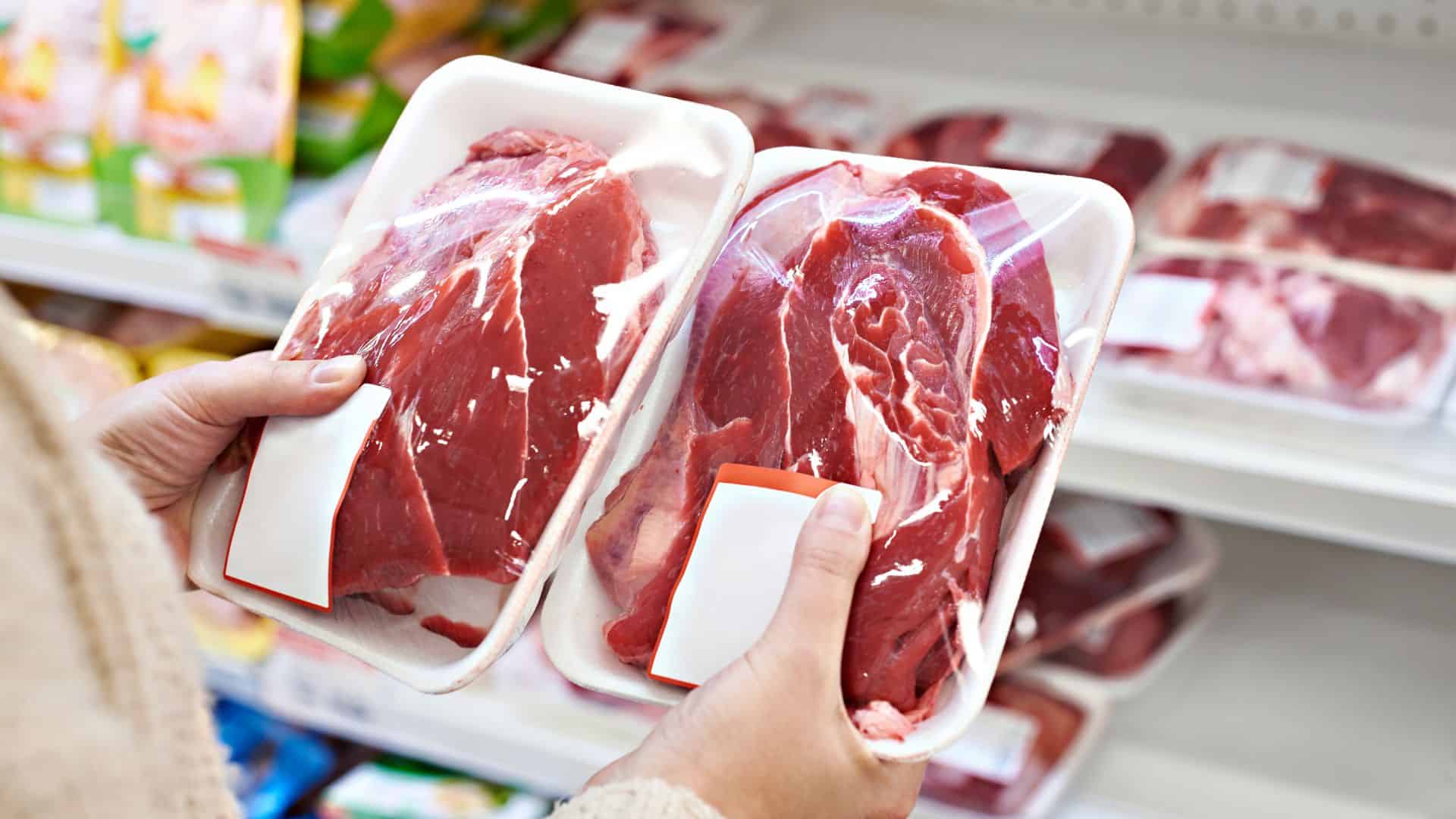
But how do these pathogens get there in the first place? Meat can become contaminated in several ways, either during the slaughtering process or if it picks up bacteria during improper handling during packaging or at home. That’s why cooking meat thoroughly is your best line of defense, as proper cooking should kill all of these pathogens.
The Gastrointestinal Stress No One Wants
Eating undercooked meat and ingesting those pathogens can seriously upset your stomach, causing not just mild discomfort. Gastrointestinal stress is a typical result of foodborne illnesses caused by undercooked meat and can include nausea, vomiting, diarrhea, and cramping. Not exactly a fun time, right?
For most healthy adults, these symptoms might pass after a few days, but the experience can still be miserable. You might find yourself glued to the toilet or too queasy to get out of bed. Dehydration is a real risk, too, especially if you’re losing fluids faster than you can replace them.
Kids, pregnant women, and older adults are even more vulnerable to severe symptoms. For them, a case of food poisoning can turn dangerous quickly, leading to complications such as kidney damage from certain strains of E. coli.
The Sneaky Parasites Lurking in Undercooked Meat
If bacteria weren’t bad enough, parasites are another reason to cook your meat thoroughly. These creepy crawlies might be invisible, but they’re definitely not harmless.
Take Trichinella, for example. This parasite can be found in undercooked pork or wild game, causing an illness known as trichinosis. Symptoms can start with diarrhea but might progress to muscle pain, fever, and even heart issues, not exactly what you had in mind for your next BBQ.
By cooking meat thoroughly, you’re essentially evicting these unwanted tenants before they have a chance to move in.
How an Undercooked Dinner Can Compromise Your Immune System
Your immune system is always working hard to keep you healthy, but eating undercooked meat can overwhelm it. If pathogens or parasites enter your body, your immune system immediately goes into overdrive trying to fight them off. While it’s battling these invaders, your body’s defenses might temporarily weaken, leaving you more susceptible to other infections.
For people with already weakened immune systems, the risks are even greater. A foodborne illness can escalate from a stomach bug to a life-threatening situation in a matter of hours. All the more reason to always make sure you never consume undercooked meat!
How to Cook Meat Safely
Now that you know why undercooking meat is a terrible idea, let’s talk about how to cook it properly. Safe cooking is easier than you think and just requires a little attention to detail.
1. Use a Meat Thermometer
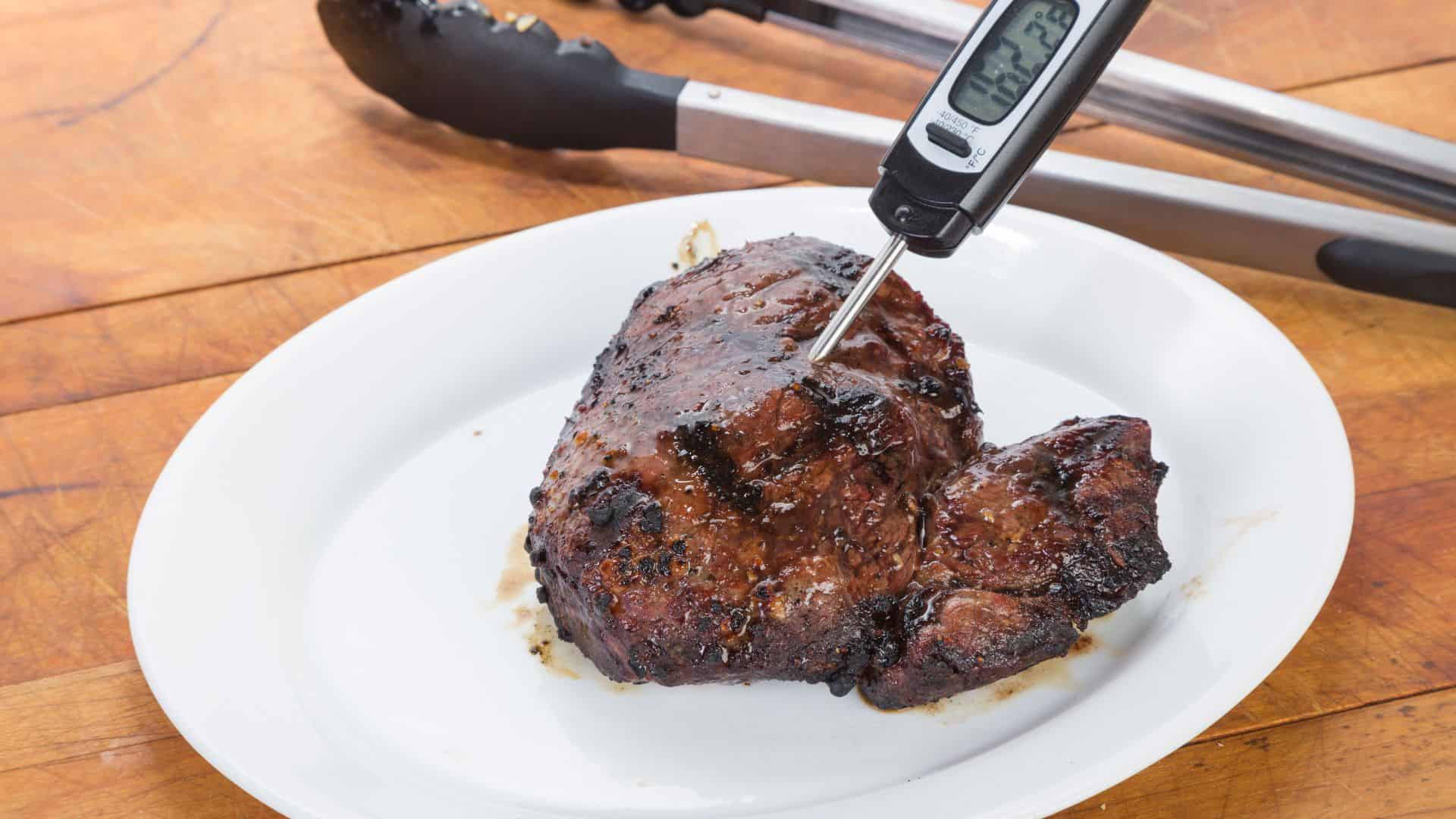
The easiest way to ensure that your meat is safe to eat is to use a simple meat thermometer. Here are some safe internal temperature guidelines:
- Chicken and turkey: 165°F (74°C)
- Ground beef, pork, and lamb: 160°F (71°C)
- Whole cuts of beef, pork, and lamb: 145°F (63°C)
Always insert the meat thermometer into the thickest part of the meat, avoiding bones, fat, or gristle, for an accurate reading.
2. Don’t Rely on Color
Color can be deceiving. Just because the meat isn’t pink doesn’t mean it’s fully cooked. Some meats might stay pink even when they’re safe to eat, while others might look done but still harbor bacteria. Using a thermometer is best!
3. Practice Good Kitchen Hygiene
Keep raw meat away from ready-to-eat foods. Use separate cutting boards for meat, and wash your hands, utensils, and surfaces thoroughly after handling raw meat. Cross-contamination is a major way bacteria spread.
4. Store Meat Properly
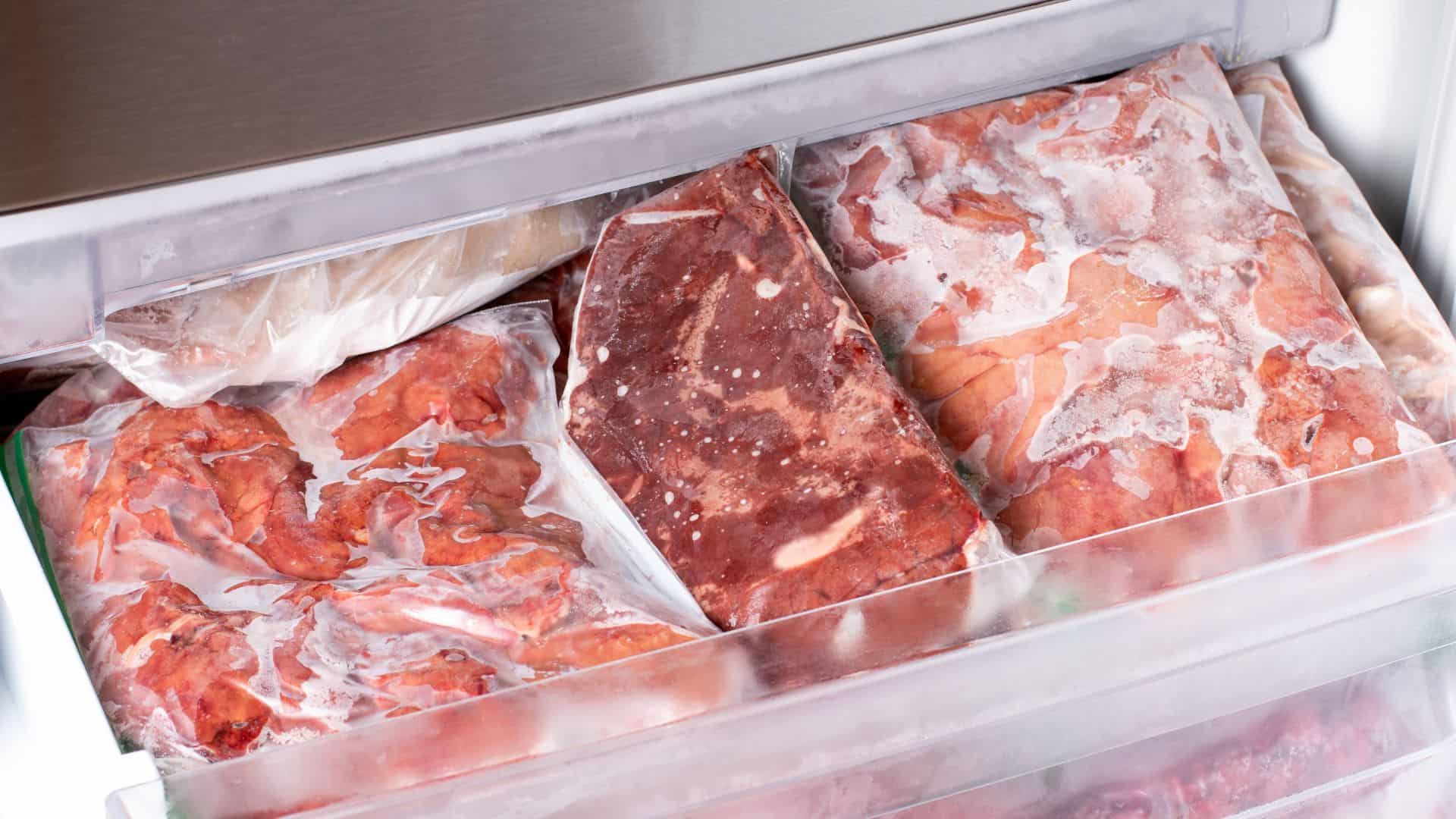
Keep raw meat refrigerated at 40°F (4°C) or below and cook it before the “use by” date. If you’re not planning to use it soon, freeze it to keep it fresh.
Undercooking meat might save you a few minutes in the kitchen, but it’s definitely not worth the risk. As you just learned, the consequences of not cooking meat properly can be serious. Luckily, when you cook meat to the proper temperature and follow basic food safety practices, you can enjoy your meal without any unwelcome side effects. So, make sure you always have that meat thermometer on hand, avoid cross-contamination, and check those expiration dates. Then, you can cook with confidence! Your stomach will thank you.
This article was inspired by Only My Health and was first published at Spatula Desserts.
Leave a Reply