
Food is something to be enjoyed and celebrated. Eating and enjoying food are a central part of every culture, and people celebrate food in diverse and exciting ways. We found some of the strangest, most unique food festivals around the world that you may want to check out. Each one is a little more eccentric than the last!
1. La Tomatina (Buñol, Spain)
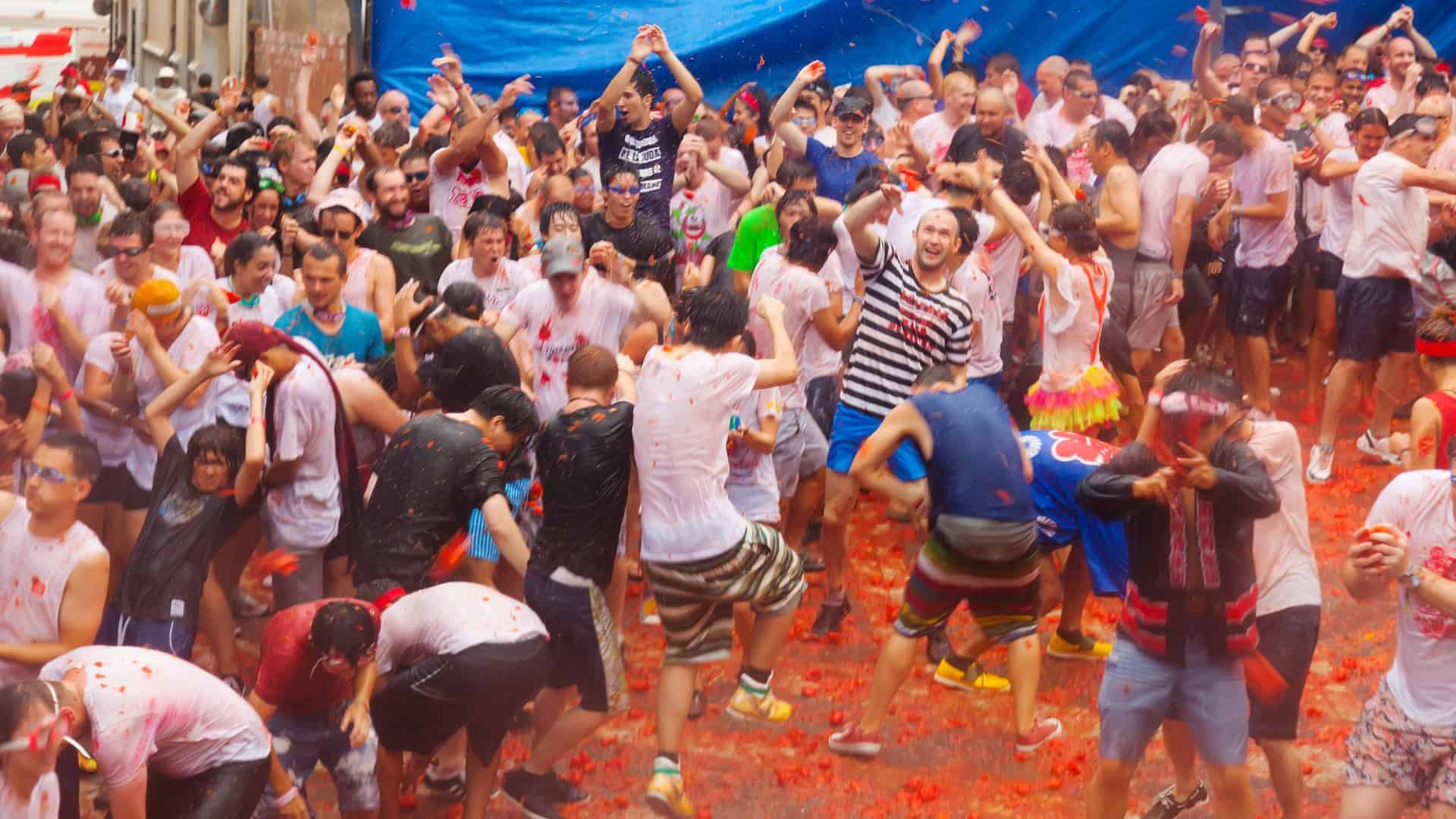
La Tomatina transforms the stress of Buñol into a red-splashed battleground every year on the last Wednesday of August. Roughly 100 tons of overripe tomatoes are spread in a massive food fight that completely takes over the town. La Tomatina began accidentally in 1945 when a scuffle during a parade led locals to start throwing tomatoes from a nearby vegetable stand. Though briefly banned in the 1950s, the festival was reinstated after public protest and now attracts thousands from all over the world.
Besides tomato throwing, there are also grease-pole contests, street parties, and flamenco performances. There are also plenty of delicious, traditional tapas to enjoy after the massive tomato fight has ended.
2. Night of the Radishes (Oaxaca, Mexico)
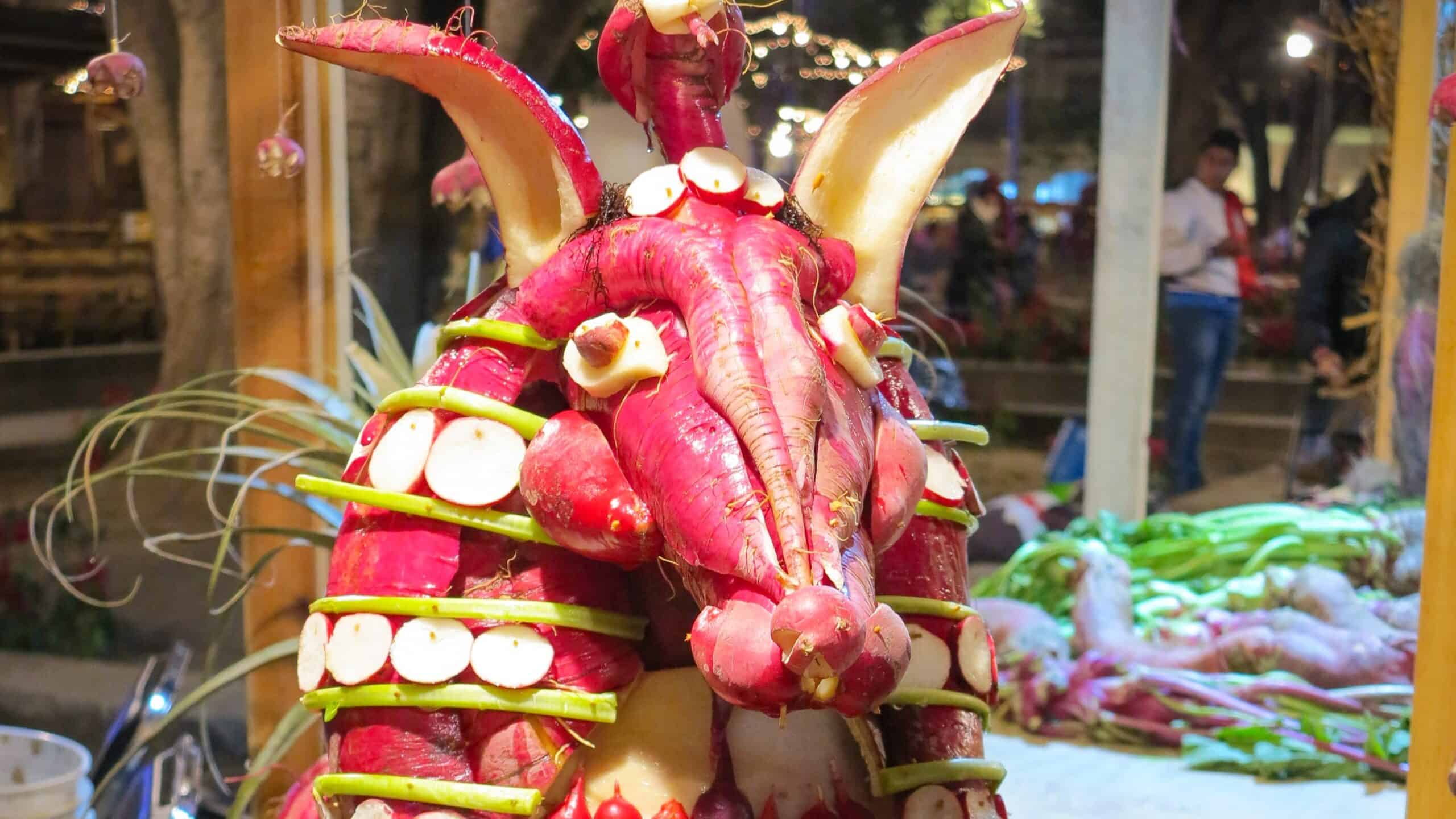
Held annually on December 23, this festival features large radishes carved into detailed nativity scenes, local folklore depictions, and contemporary themes, all created by over 100 artisans. Radishes are actually grown and harvested solely for carving, but the mini masterpieces slump and fade within hours after being made, which further heightens the urgency of the display.
Oaxaca's tradition of carving radishes originated as a way for farmers to draw attention at the Christmas market. In 1897, the city officially established it as a formal competition. Now, thousands of people flock to Oaxaca's main square to walk through artistic installations made entirely of oversized radishes.
3. World Pea Shooting Championship (Witcham, England)

Since 1971, gamers of all ages gather each July for a quirky competition that tests accuracy and speed by shooting peas through homemade pea shooters. Competitors come from as far away as Canada and New Zealand to compete in categories such as long-distance throwing and target shooting. The event is family-friendly, with pea-shooting lanes set up on Village Green and local pubs hosting training sessions. The unusual sport draws hundreds and fosters a sense of community around a simple garden pea.
4. The Roadkill Cook-Off (Marlinton, West Virginia, USA)
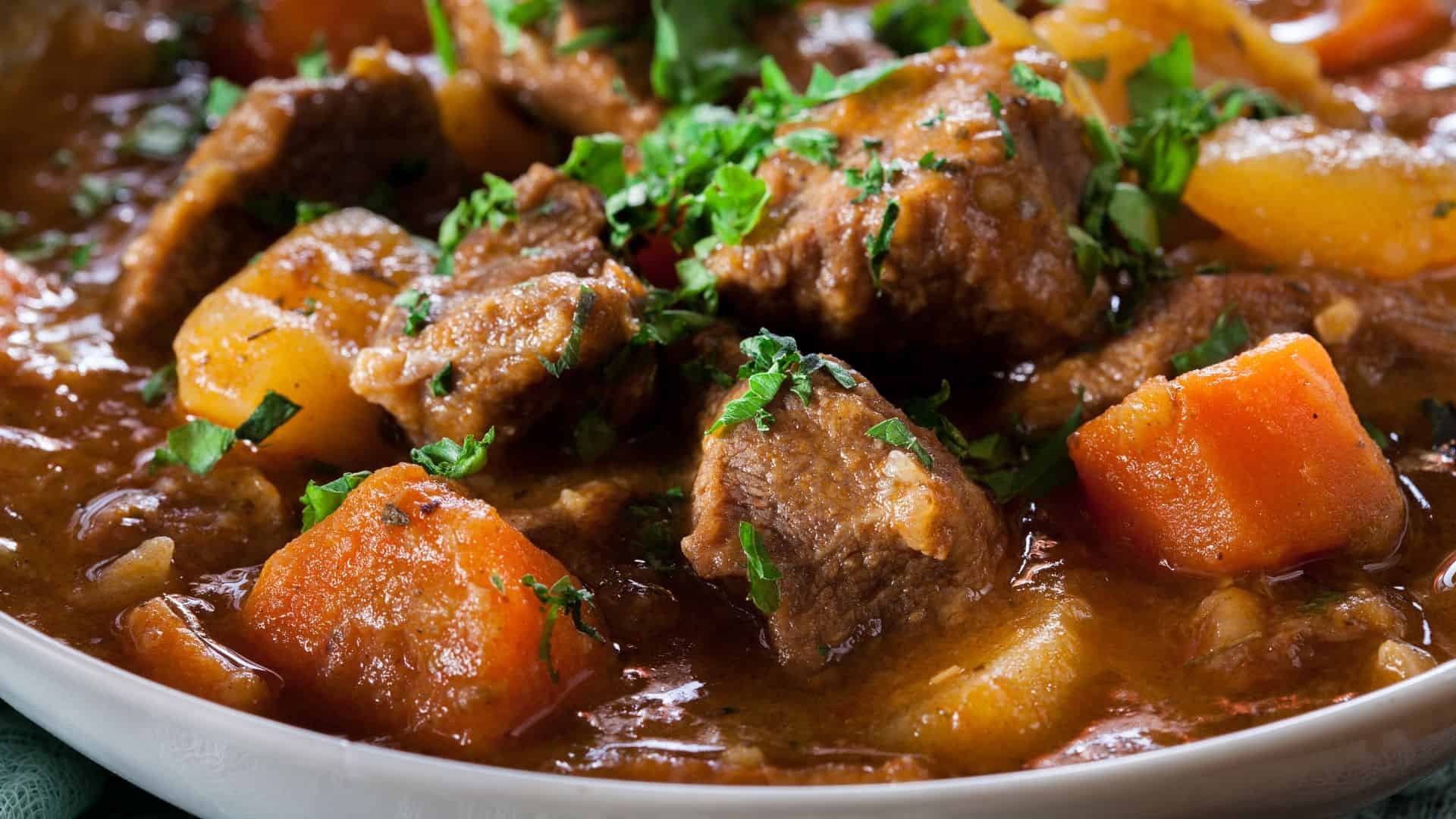
This uniquely Appalachian festival invites chefs to transform animals typically found as roadkill into gourmet dishes. The strange, but surprisingly tasty menu might include fried venison wontons, snakes over rice, or squirrel stew. If the animal is typically found as roadkill, then it is fair game!
The Roadkill Cook Off is held during the Autumn Harvest Festival in September and has become a tradition over the past 35 years. People flock to the area for roadkill tasting booths, live music, and cooking contests with prizes. The practice humorously questions cultural taboos about food waste and meat sourcing.
5. Fête du Citron (Menton, France)
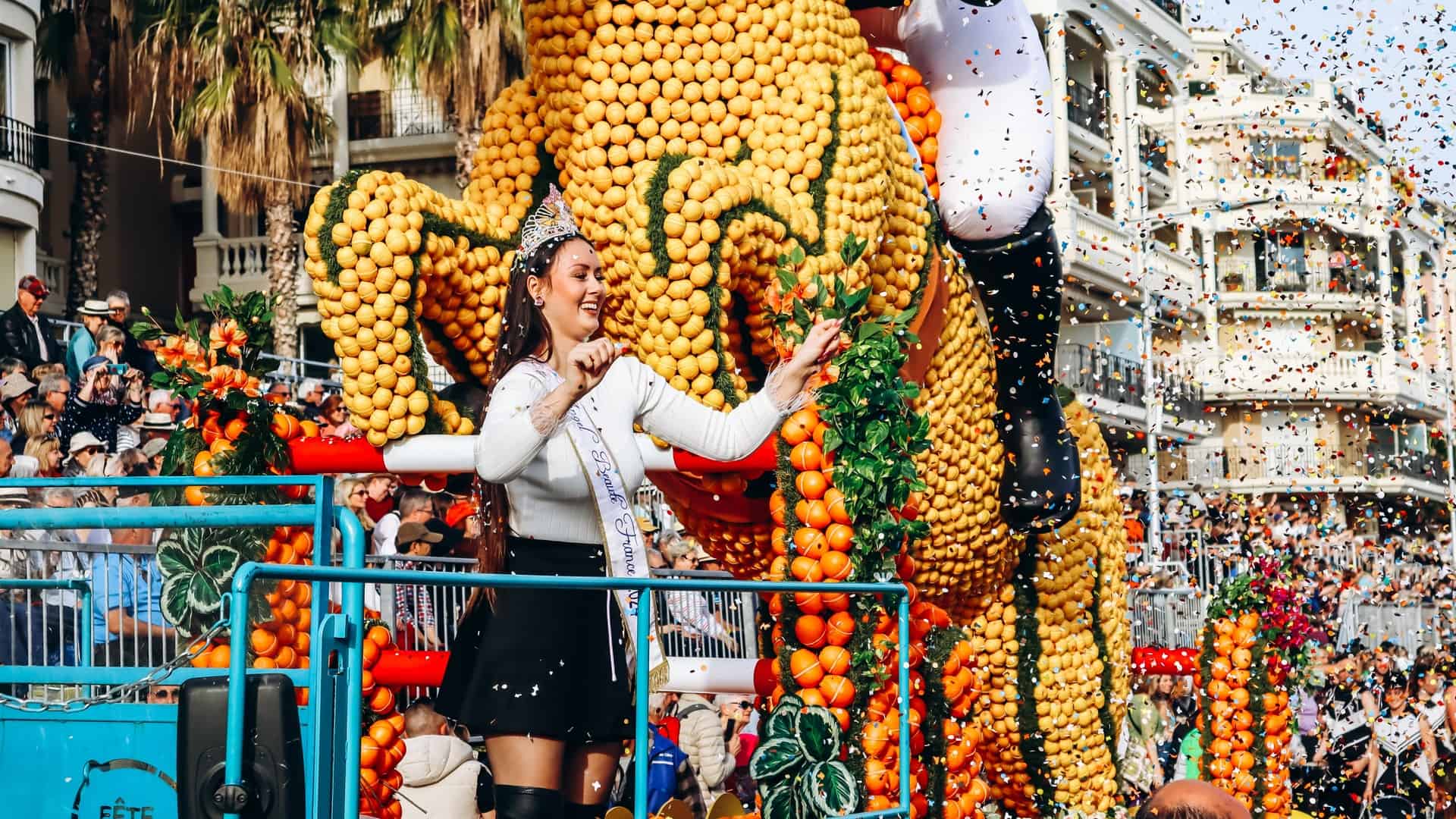
Every February, over 200,000 visitors descend on the town of Menton for a carnival showcasing giant sculptures built entirely from lemons and oranges. This citrus spectacle features parades, garden displays, and themed "lemon nights" with music and light shows. It was first created as a fun way to celebrate Menton's historic citrus production and later became a regular festival.
6. Cheese Rolling Festival (Cooper's Hill, Gloucestershire, England)

On Whit Monday, daredevils chase a 9‑lb round of Double Gloucester cheese down a steep 180‑metre hill, often colliding and tumbling to be the first person across the finish line. The winner gets to take home the cheese and also gets plenty of praise and fame among the spectators who line the slope to cheer and witness these chaotic races.
Cheese rolling, first documented in 1826 but believed to be over 600 years old, may have originated from ancient grazing rights or pagan rituals involving fire and harvest blessings. Today, the Cheese Rolling Festival has become legendary for its absurdity and minor injuries, which often occur as participants race after the rolling cheese, moving at speeds of up to 70mph. It is most definitely a wild blend of sport, tradition, and cheese mania.
7. Nalukataq (Nunavut, Canada)

Celebrated under the midnight sun, this traditional Inuit gathering features community feasts centered around muktuk. Muktuk is made from frozen whale skin and blubber, served raw, pickled, or cooked, and is a traditional food of the area.
Educational demonstrations show how to prepare and harvest muktuk safely, preserving indigenous food heritage. Participants can also participate in workshops, learn about traditional songs, or listen to storytelling, all of which link food with cultural survival. The festival showcases an Arctic delicacy that is often considered unusual in other regions.
8. Yorkshire Pudding Boat Festival (Northern England)
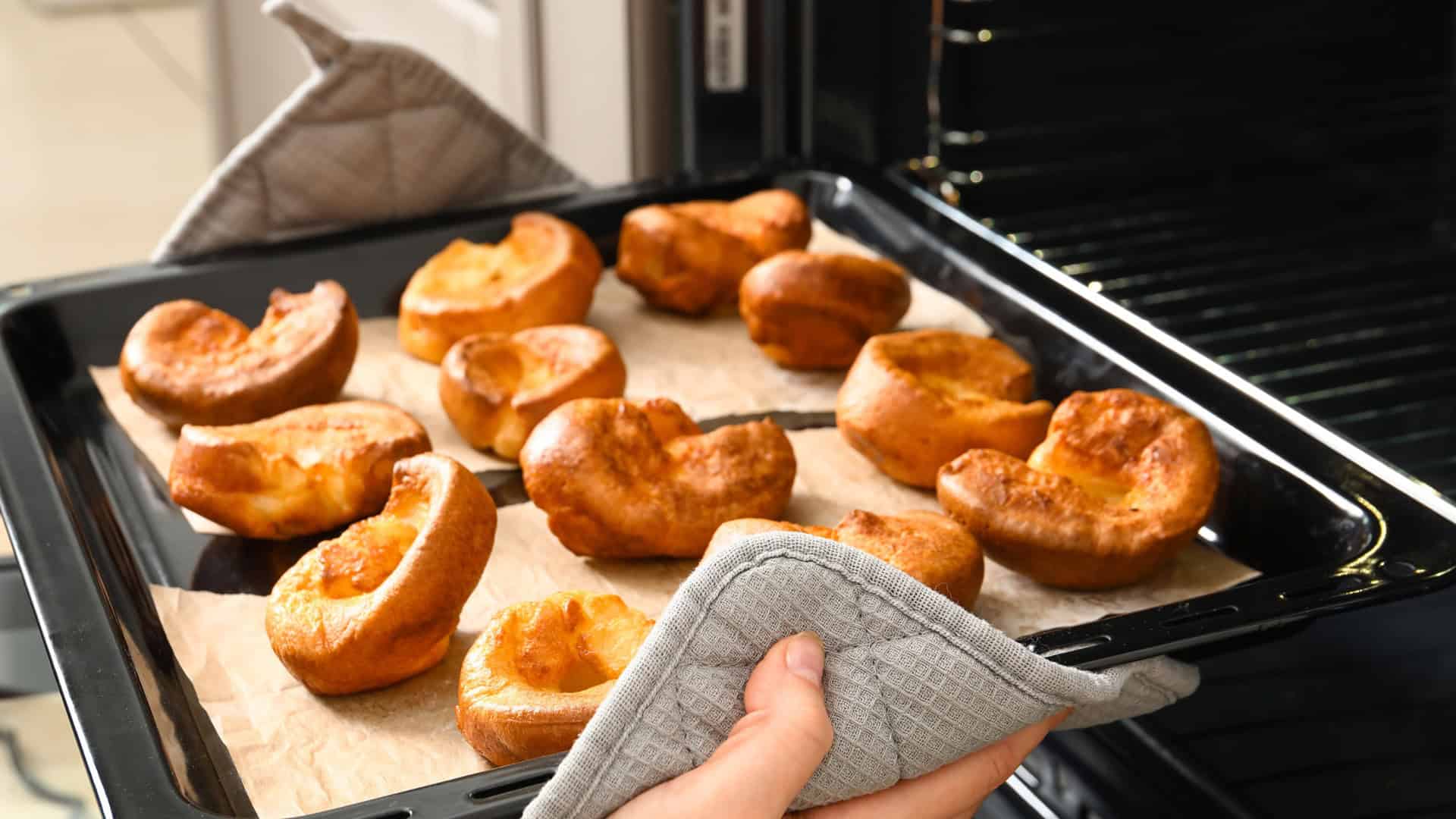
This event sees teams racing in giant, varnished Yorkshire pudding "boats" down a watercourse, only to sink hilariously under the weight of their own batter. The race, created by chef Simon Thackray, combines engineering flair and culinary quirkiness.
Spectators cheer on as paddlers, wearing life jackets, hope their edible vessel holds together. It's a playful tribute to England's famed pudding in floating form.
9. What the Fluff? (Somerville, Massachusetts, USA)

A fan favorite of marshmallow lovers, this festival celebrates Fluff, America's iconic marshmallow spread. Not only can you grab a jar of your favorite Fluff from the original town where it was created, but you can also grab a fluffernutter sandwich, watch cooking contests, and see Fluff-inspired art installations.
Competitors showcase unique fluffernutter combos while food artisans spin cotton candy and fluff treats. There is also live music, family games, and fluff pie-eating contests that round out the quirky tribute to a nostalgic staple.
10. Ugly Food Festival (Þorrablót, Iceland)
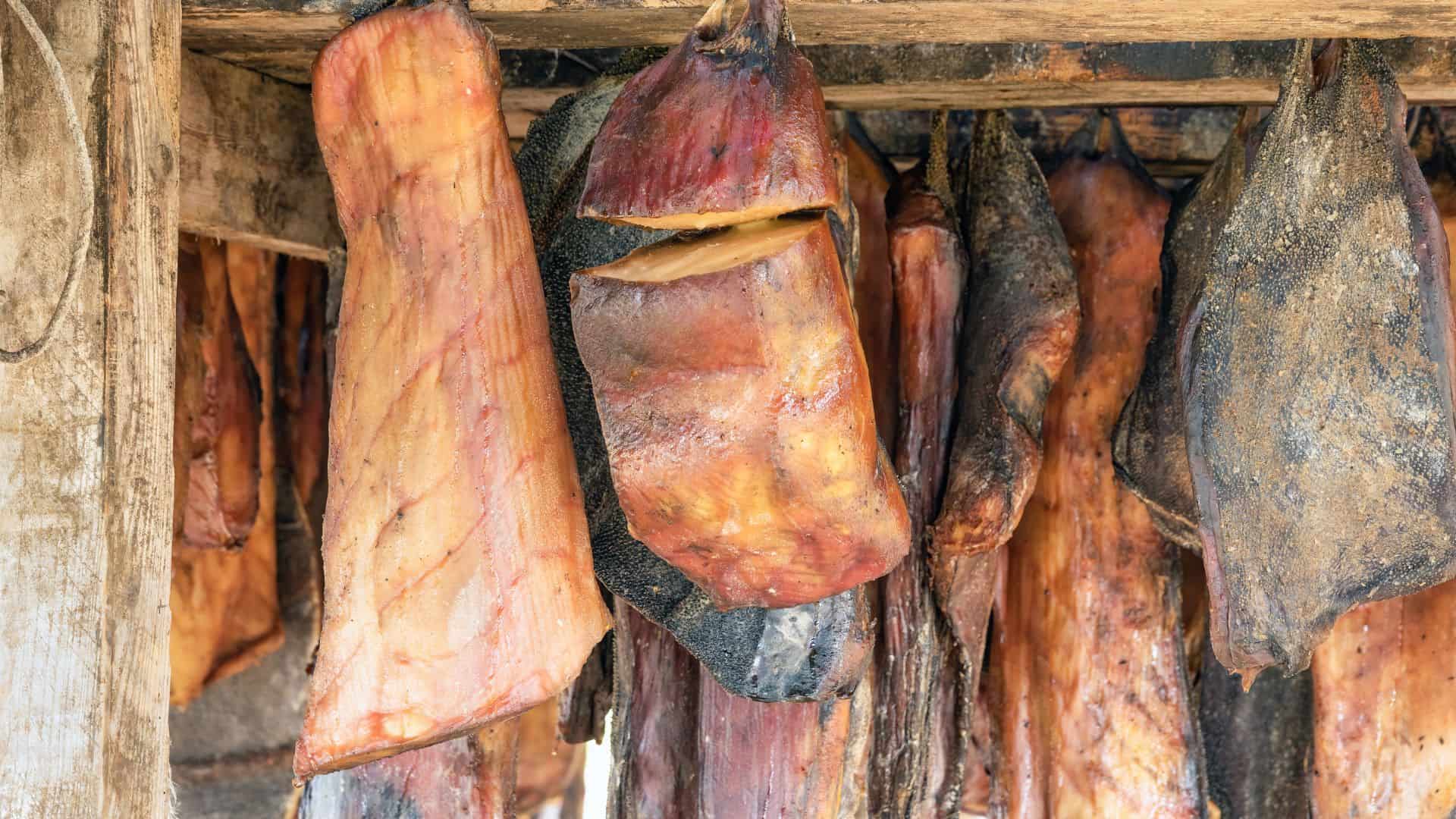
Þorrablót, Iceland's so‑called "Ugly Food Festival," is a midwinter celebration of traditional dishes that many around the world may find disgusting. Dishes such as fermented shark (hákarl), boiled sheep's head, ram's testicles, and blood pudding are served alongside more familiar food, including smoked lamb and rye bread.
Dating back to 1873, the festival celebrates Norse heritage cuisine from Iceland's past. Locals indulge in these pungent, preserved foods to connect with their Viking heritage, and most meals are accompanied by Brennivín ("Black Death") schnapps. Although foreign visitors may find the flavors challenging, Icelanders embrace Þorrablót with pride and nostalgia, keeping the country's cultural history alive through every bizarre bite.
11. Baltic Herring Festival (Hvide Sande, Denmark)
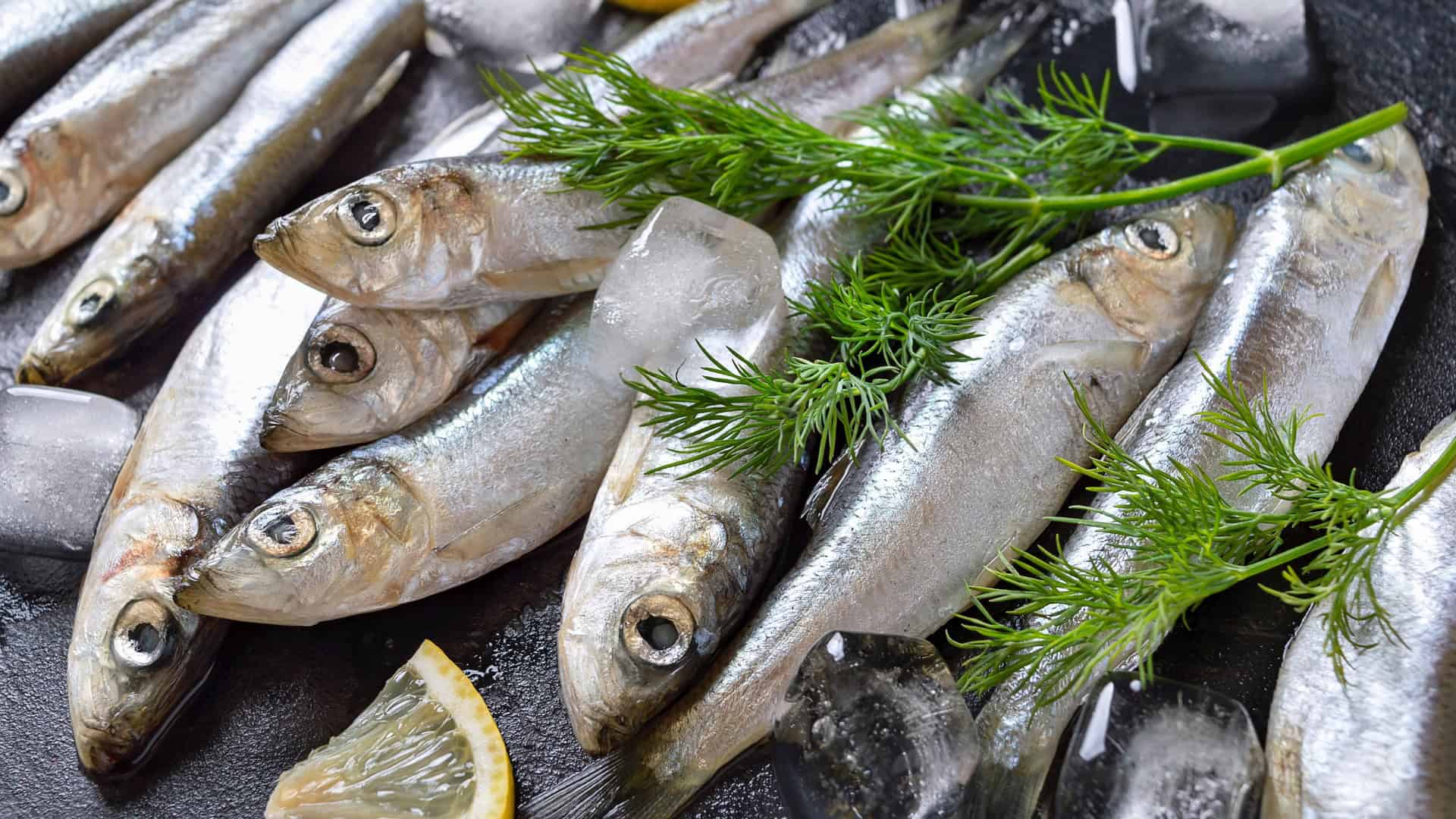
This seaside event honors the annual herring catch with tastings of pickled, smoked, and fried herring by the harbor. The festival includes boat tours, fishermen's storytelling sessions, and the most popular event of all, the herring-catching competition. The record of catching 313 herring in an hour still stands! Despite its strong odor, the festival draws both locals and curious tourists.
12. La Batalla de Vino (Haro, Spain)
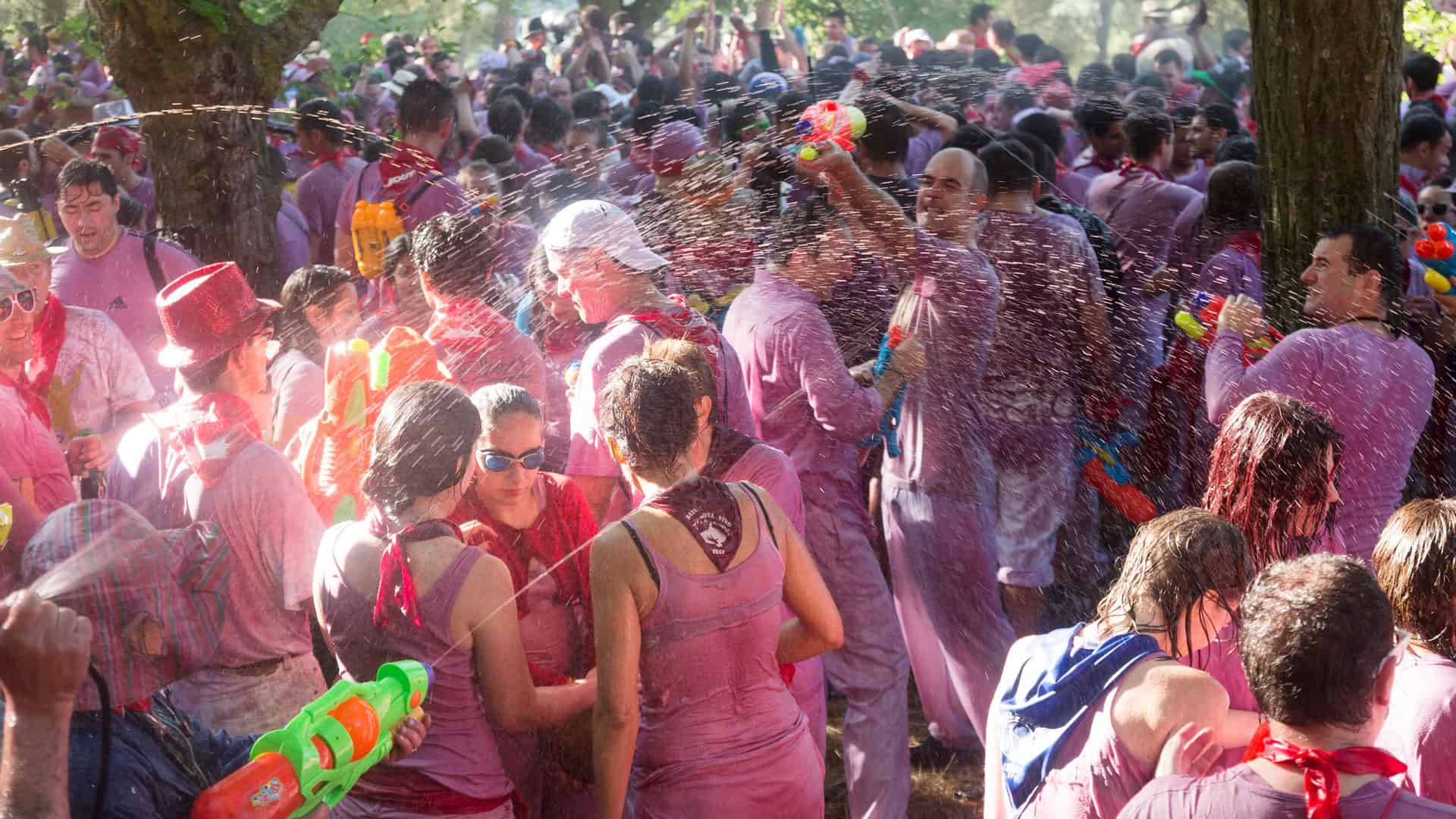
Thousands gather in white flock to Haro each June 29 for this two-hour "Wine Battle." The food fight involves participants soaking each other in red wine using everything from buckets to water guns to spray wine everywhere.
Pilgrimages to the burial site of San Felices de Bilibio began in the 6th century, but it wasn't until the 20th century that these religious visits evolved into wine baptisms. Those baptisms eventually turned into the lively Wine Battle celebrated today. Now, participants soak each other in wine and then enjoy live music, tapas tastings, and awards for the most soaked participants. Its sheer exuberant messiness and wine-soaked history make it uniquely Spanish.
Leave a Reply