After the last sparkler fizzles out, many of us find ourselves with more burgers, corn, and berry‑topped desserts than our fridges can comfortably hold. However, the good news is that almost every cookout dish can be saved for another meal, as long as it is handled correctly. This guide shows you which meals freeze well, which ones to finish within a day or two, and how to turn yesterday’s spread into quick lunches and dinners for the week ahead.
Can You Freeze 4th‑of‑July Leftovers?
Absolutely. Most cooked meats, breads, and baked desserts freeze beautifully for up to four months without much loss of flavor. The key is to cool food quickly, wrap it tightly, and label it so you actually remember to use it.
Foods That Freeze Well
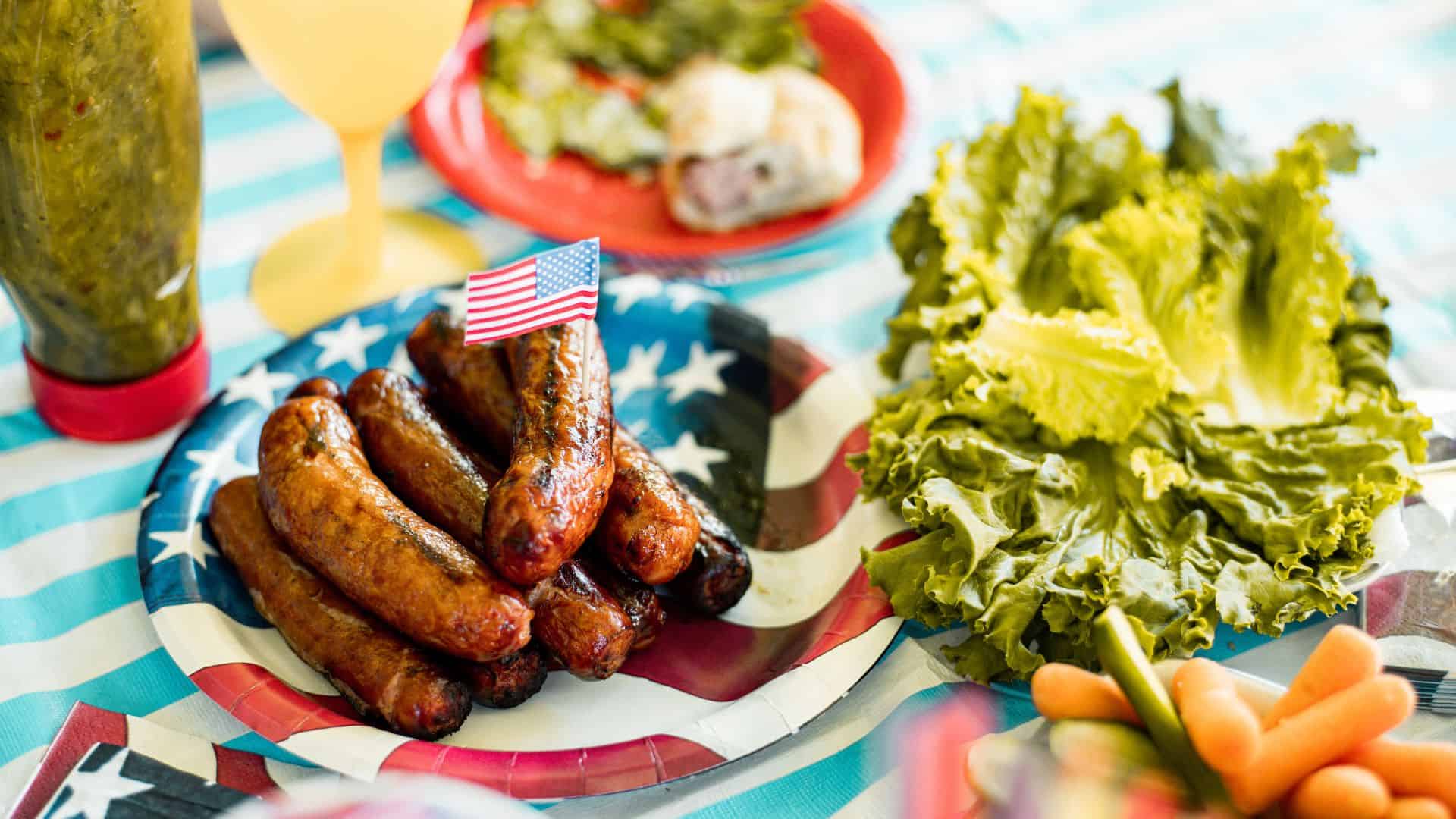
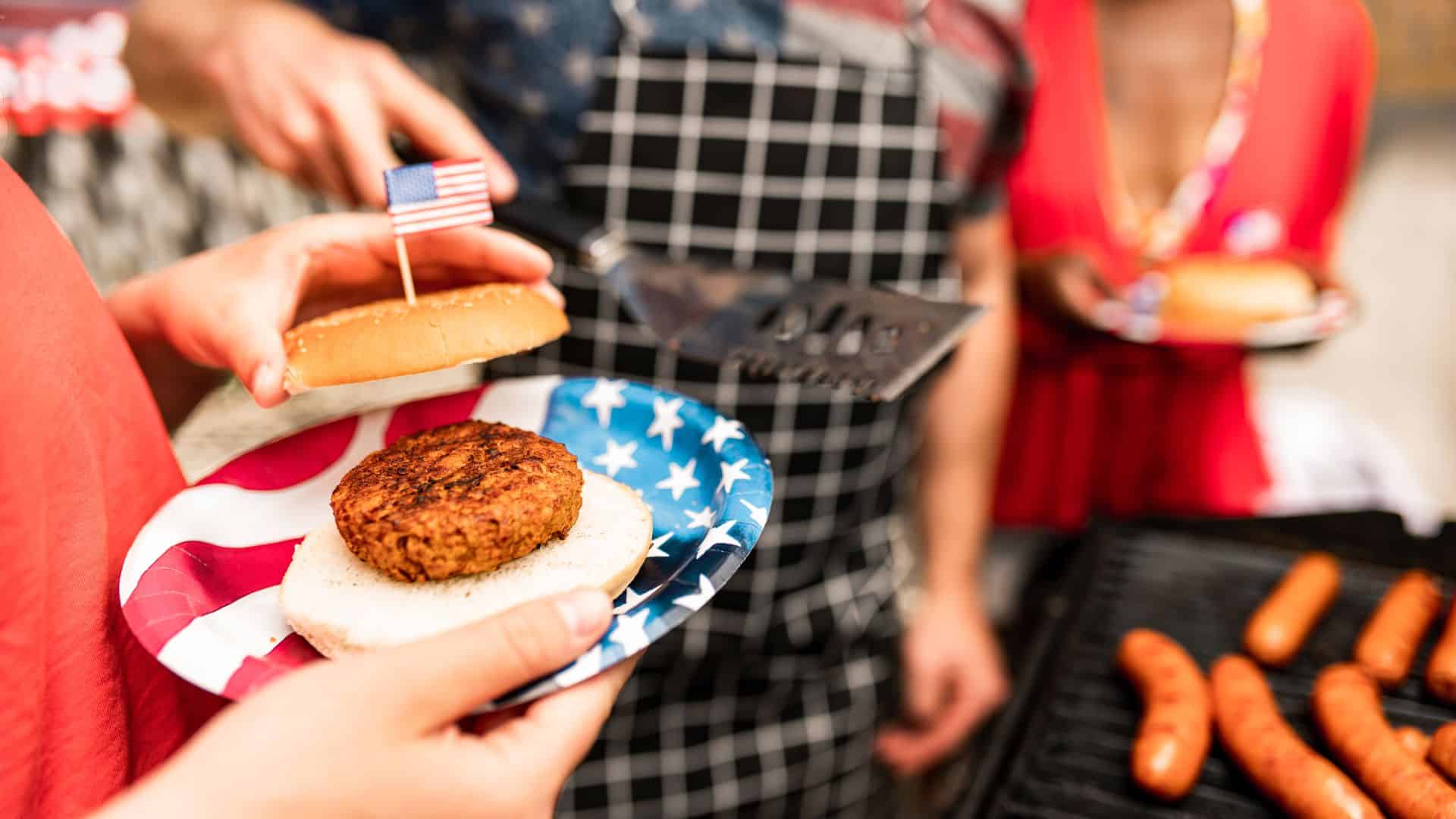
- Grilled Burgers and Hot Dogs – Cool to room temperature, wrap each one in foil, then seal in a freezer bag. Reheat straight from frozen in a covered skillet or low oven.
- Pulled Pork, Brisket, and Ribs – Portion into meal‑size containers, spoon a little extra sauce on top, and freeze. Heat slowly, covered, until the meat reaches 165 °F / 74 °C.
- Grilled Chicken (bone‑in or boneless) – Remove the meat from the bone for easier storage, then place in a flat freezer bag.
- Corn on the Cob – Slice the kernels off and spread them on a tray to flash‑freeze. Once solid, transfer to a bag. Use in chowder, salads, or cornbread batter.
- Plain Grilled Vegetables – Peppers, zucchini, onions, and asparagus freeze well when laid flat in freezer bags. Thaw overnight and add to pasta, omelets, or fajitas.
- Buns, Rolls, and Cornbread – Bread is very forgiving. Slip leftovers into separate freezer bags, squeeze out air, and freeze for up to three months.
- Fruit Pies and Berry Crisps – Freeze slices on a parchment‑lined tray, then wrap tightly. Warm in a 350 °F / 175 °C oven for 15 minutes to revive the crust.
How to Freeze and Store Leftovers Safely
- Beat the two‑hour window. Place perishable foods in the refrigerator or freezer within two hours of cooking, or one hour if the outdoor temperature is above 90°F (32°C).
- Remove extra air. Oxygen is the enemy of flavor. Press air out of freezer bags or wrap items tightly in foil before placing them in bags.
- Label and date. A piece of masking tape and a marker make it easy to see what you have at a glance.
- Reheat to 165 °F / 74 °C. Use a food thermometer to be certain; steam alone isn’t a reliable indicator.
Leftover Foods That Don’t Freeze Well
- Mayonnaise‑Based Salads – Potato salad, macaroni salad, and coleslaw tend to separate and become watery after thawing.
- Leafy Greens Dressed with Vinaigrette – Lettuce and spinach wilt beyond recognition when frozen.
- Watermelon and High‑Water Fruit Salads – Ice crystals break the cell walls, leaving the fruit mushy.
- Cream-Filled Desserts, Delicate Cakes, and Cupcakes – Custards and frostings, such as mascarpone frosting, split and don't freeze well.
- Fried Foods (like French fries or breaded chicken) – The coating turns soggy and the texture becomes unappealing once thawed.
- Soft Cheeses and Cheese Dips – Varieties such as brie, goat cheese, or queso dips become grainy and release moisture after freezing.
If you’re unsure whether a dish will survive the freezer, freeze a spoonful overnight, thaw it, and check the texture.
Quick Meal Ideas for Leftovers
- Smoky Pork Tacos – Warm shredded pork, pile into corn tortillas, and top with corn kernels, diced onion, and salsa verde.
- Burger‑Bowl Grain Salad – Crumble a burger over cooked quinoa or brown rice, add grilled veggies, and drizzle with a simple mustard vinaigrette.
- Corn and Cheddar Fritters – Combine thawed kernels with egg, flour, and grated cheese; pan‑fry spoonfuls until golden.
- Hot‑Dog Fried Rice – Slice franks into coins, then stir‑fry with leftover rice, peas, and scrambled egg for a five‑minute dinner.
- Barbecue Chicken Flatbreads – Spread naan with barbecue sauce, top with shredded chicken and mozzarella, and bake until bubbly.
- Berry Trifle Cups – Layer cubes of flag cake with whipped cream and fresh berries in small glasses for an easy dessert repeat.
Storing and Reusing Seafood Leftovers
Grilled shrimp, salmon fillets, or foil‑packet white fish cool quickly and should be refrigerated within one hour, then eaten within 24–48 hours. Because seafood overcooks easily, aim for gentle reheats: flake cold salmon into a lemony pasta salad, stir chopped shrimp into chilled avocado gazpacho, or warm fish in a steamer basket just until it’s glossy again.
If you plan to freeze seafood, remove any charred skin, tuck portions into airtight containers, and use them within two months—later fold the thawed pieces into fried rice or tacos where their tender texture can shine.
Flavor Boosters for Day‑Two Dishes
Reheated food is convenient, but it can taste flat if you serve it exactly as it came off the grill. The fastest way to put the sparkle back is with contrast: a squeeze of citrus or a splash of vinegar wakes up smoky meats and rich sides, while a spoonful of salsa, chimichurri, or pickled onions adds brightness without much effort. Even something as simple as a drizzle of olive oil and a pinch of flaky salt can restore moisture and deepen flavor.
Temperature and texture also make a difference. Top warmed‑through proteins with a handful of chilled slaw or pair that leftover burger patty with a crisp lettuce leaf instead of another bun.
Also, don’t underestimate aromatics. A quick grate of lemon zest, a dusting of smoked paprika, or a few drops of toasted sesame oil can turn yesterday’s meal into a delicious lunch today.
Food‑Safety FAQ
How long can leftovers stay in the fridge? Most cooked foods are safe for three to four days at 40 °F / 4 °C or colder. If you know you won’t eat something within that time, freeze it on the first day.
Do I need to cool food before freezing? Yes. Hot food raises the temperature inside the freezer and can partially thaw other items. Let dishes cool to room temperature, no more than two hours, before packing.
What’s the best way to avoid freezer burn? Wrap foods tightly, press out air, and keep the freezer at 0 °F / ‑18 °C. Using items within four months also helps.
A little planning on the evening of July 4th turns leftovers into convenient building blocks for meals long after the fireworks end. Cool quickly, freeze smart, and keep a running list of what’s in your freezer. Your future self (and your grocery budget) will thank you.
Leave a Reply