
Summer is here, and that means it's officially watermelon season. Few things are more refreshing on a hot day than a juicy, sweet slice of perfectly ripe melon. But picking the right one at the store or farmers market isn't always as easy as it seems. If you've ever watched someone knocking on watermelons and wondered what they're listening for, you're not alone. This guide will help you understand what to look, feel, and listen for so you can pick the best watermelon every time.
1. Choose a Watermelon with a Nice Field Spot

The large, discolored patch on a watermelon is known as the field spot, a key indicator of ripeness. This spot forms where the melon sat on the ground and ripened in the sun. A deep yellow or even orange field spot indicates that the fruit had more time to mature, which means sweeter, juicier fruit. Pale or white spots usually indicate that the fruit was picked too early. You might be tempted to choose the one with the cleanest look, but when it comes to flavor, that golden patch is a good thing.
2. Give It a Tap for That Hollow Sound
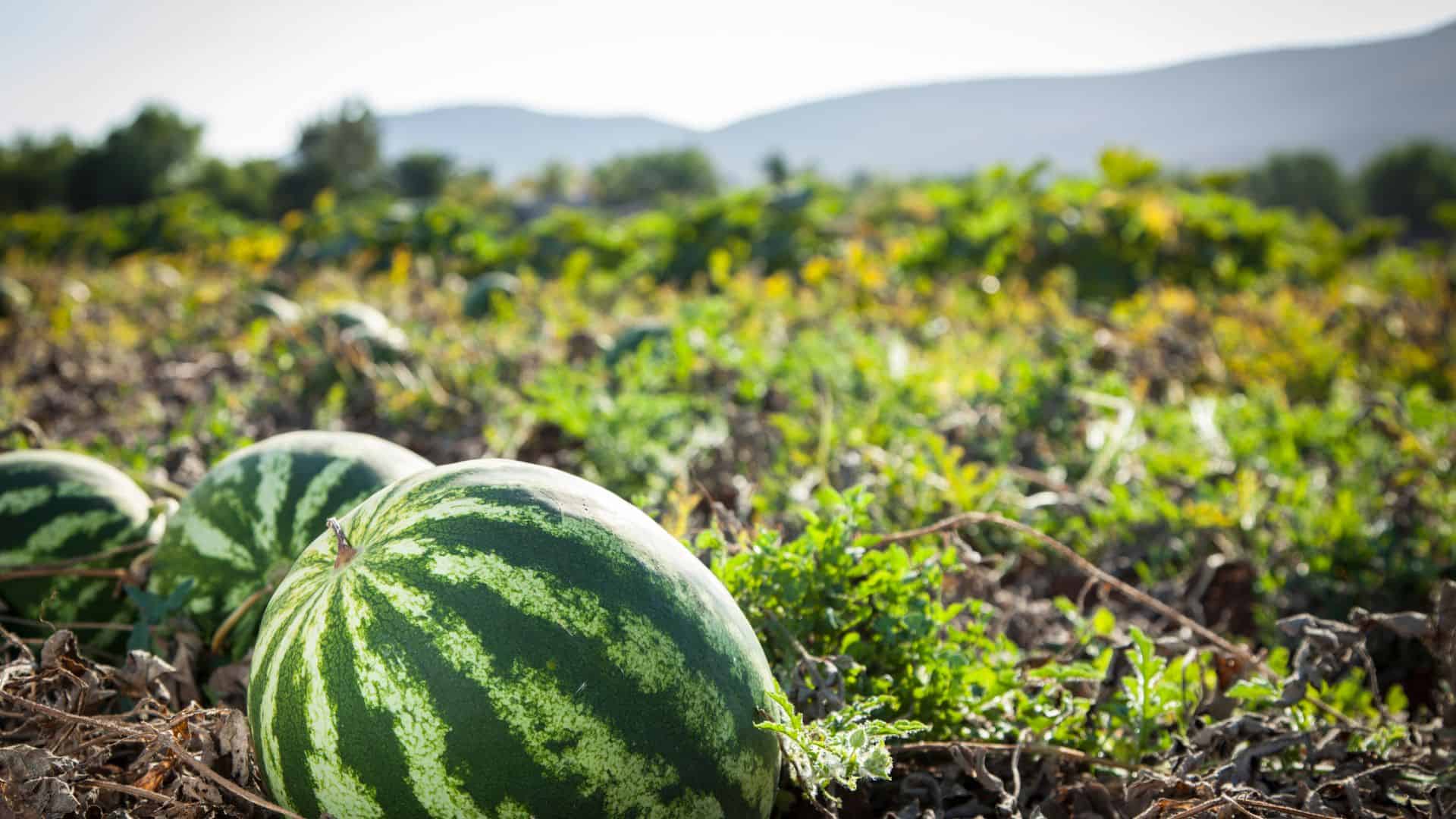
One of the oldest tricks in the book is giving the watermelon a knock to test for ripeness. A ripe watermelon will sound deep and hollow, almost like a drum. If it sounds dull or flat, it might be underripe or even overripe. This method takes a little practice, but once you've heard the right kind of thump, you'll recognize it every time. Try tapping a few and comparing the sounds. They really can vary. Trust your ears and opt for the melon that produces a solid, hollow echo.
3. Check the Shape and Uniformity

Watermelons should have a consistent, symmetrical shape. Whether round or oval, the melon should look even all the way around with no flat sides or odd lumps. Misshapen melons often indicate irregular growth patterns that can impact the texture or flavor within. A lopsided or dented watermelon may have developed unevenly due to weather or poor pollination. While some irregularities are harmless, it's safest to stick with smooth, balanced shapes. Consistency on the outside usually means consistency on the inside as well.
4. Feel the Weight
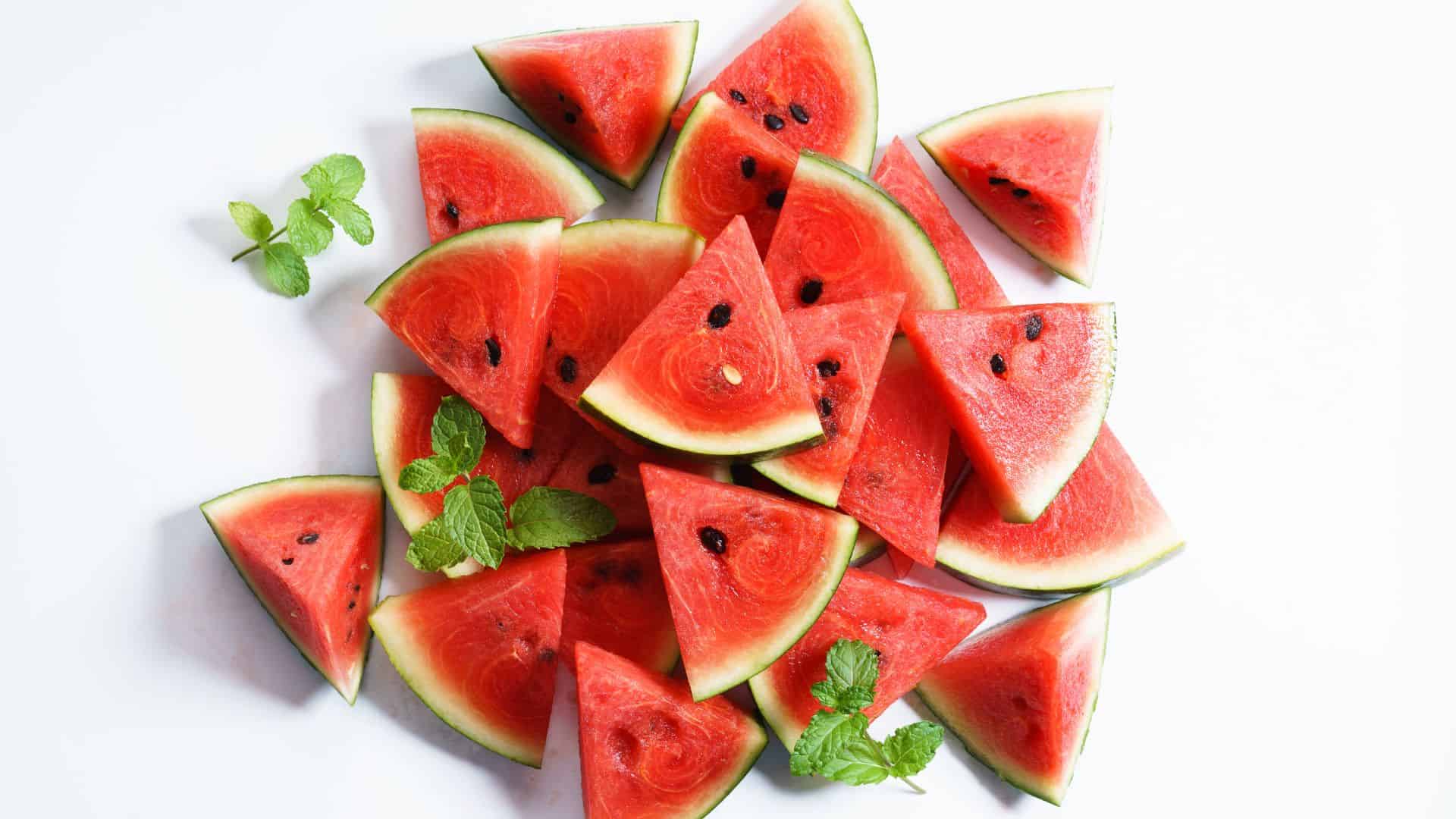
Pick up a few watermelons of the same size and feel which one is the heaviest. A heavier melon typically has more water inside, which means it's likely to be juicy and ripe. Watermelons are over 90% water, so weight is a great clue. If it feels lighter than it looks, it might be dry or underripe. It should feel dense and solid, not hollow or too soft. Don't be shy, give a few of them a lift before making your final pick.
5. Inspect the Skin
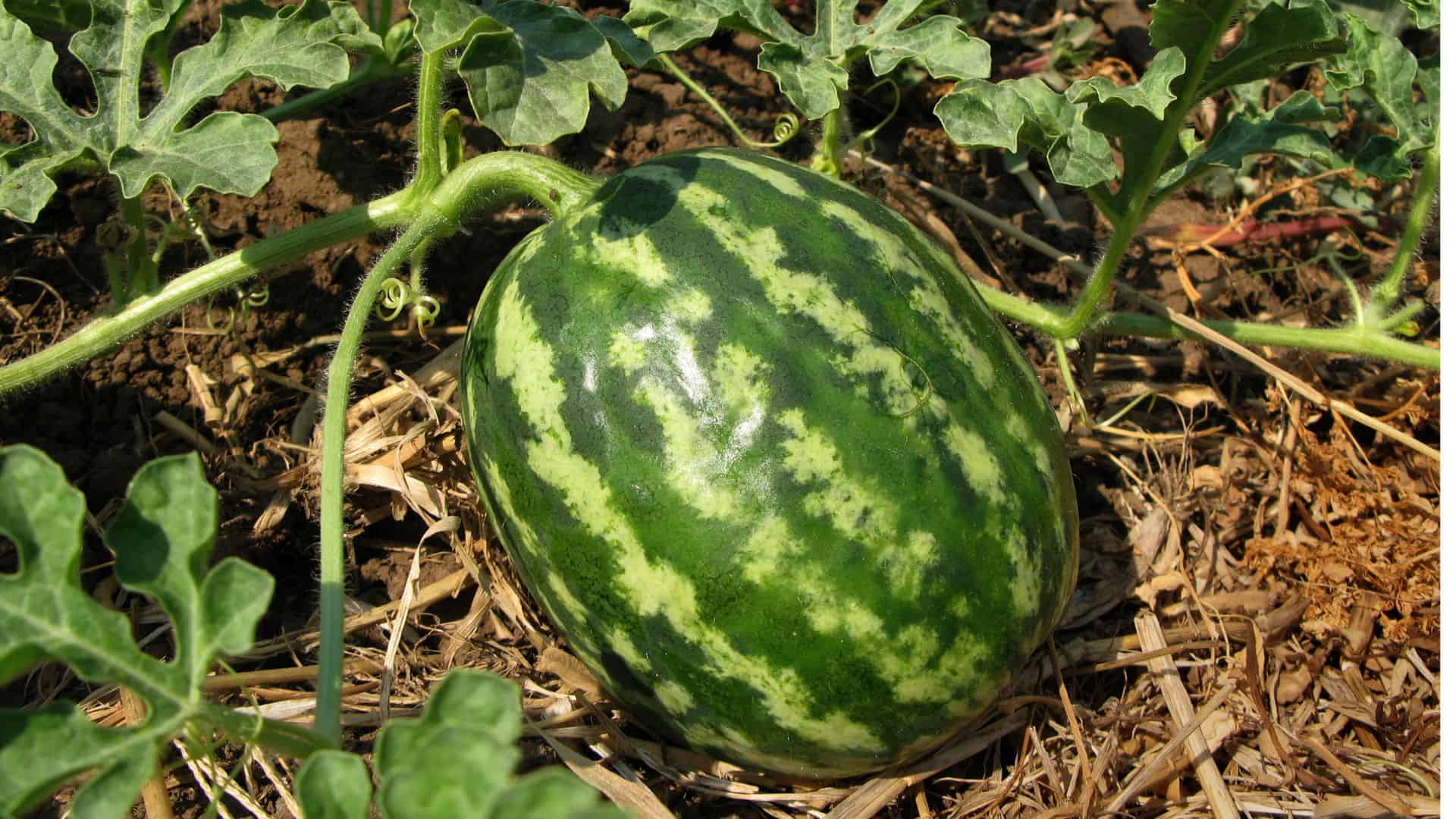
Examine the rind for cuts, bruises, or soft spots. While minor scuffs or marks are usual and come from handling, deep cuts or mushy areas could mean the watermelon is damaged or already going bad. The skin should be thick, firm, and free of any leaking. Press gently with your thumb, and if it gives too easily, that's a red flag. A pungent rind not only keeps the inside safe but also helps the melon last longer. Select one that appears sturdy and unbroken for optimal results.
6. Observe the Color Contrast
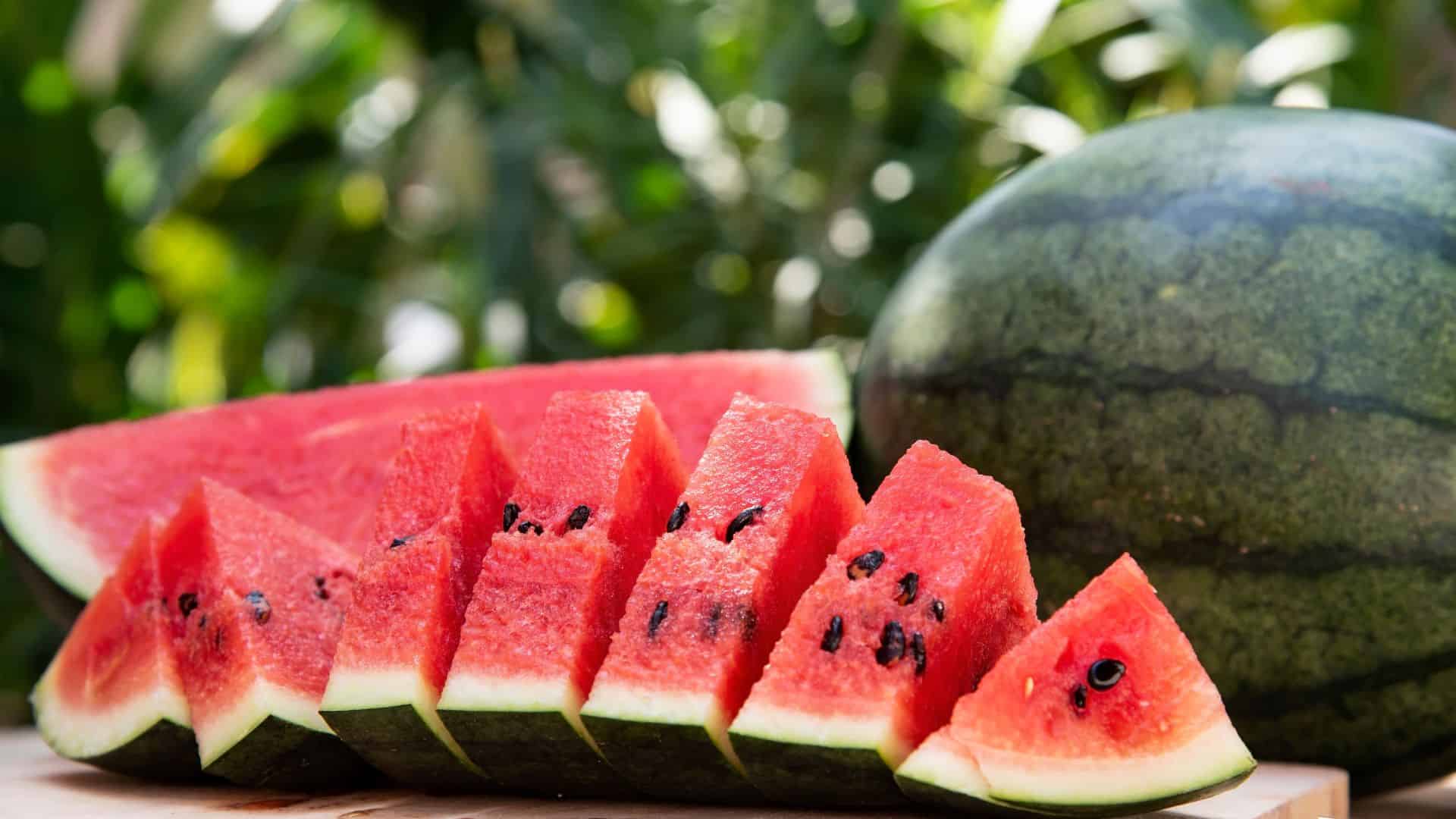
A good watermelon usually has a rich green color with lighter green stripes. Avoid ones that look shiny, pale, or faded. They may have been picked too soon. A dull, matte rind is often a better sign of ripeness than a glossy surface. The color should look bold and natural, not washed out. A healthy contrast between the dark and light areas is also a good sign that the fruit ripened evenly. Don't just rely on one cue. Use color as part of your overall check.
7. Look for Webbing and Sugar Spots
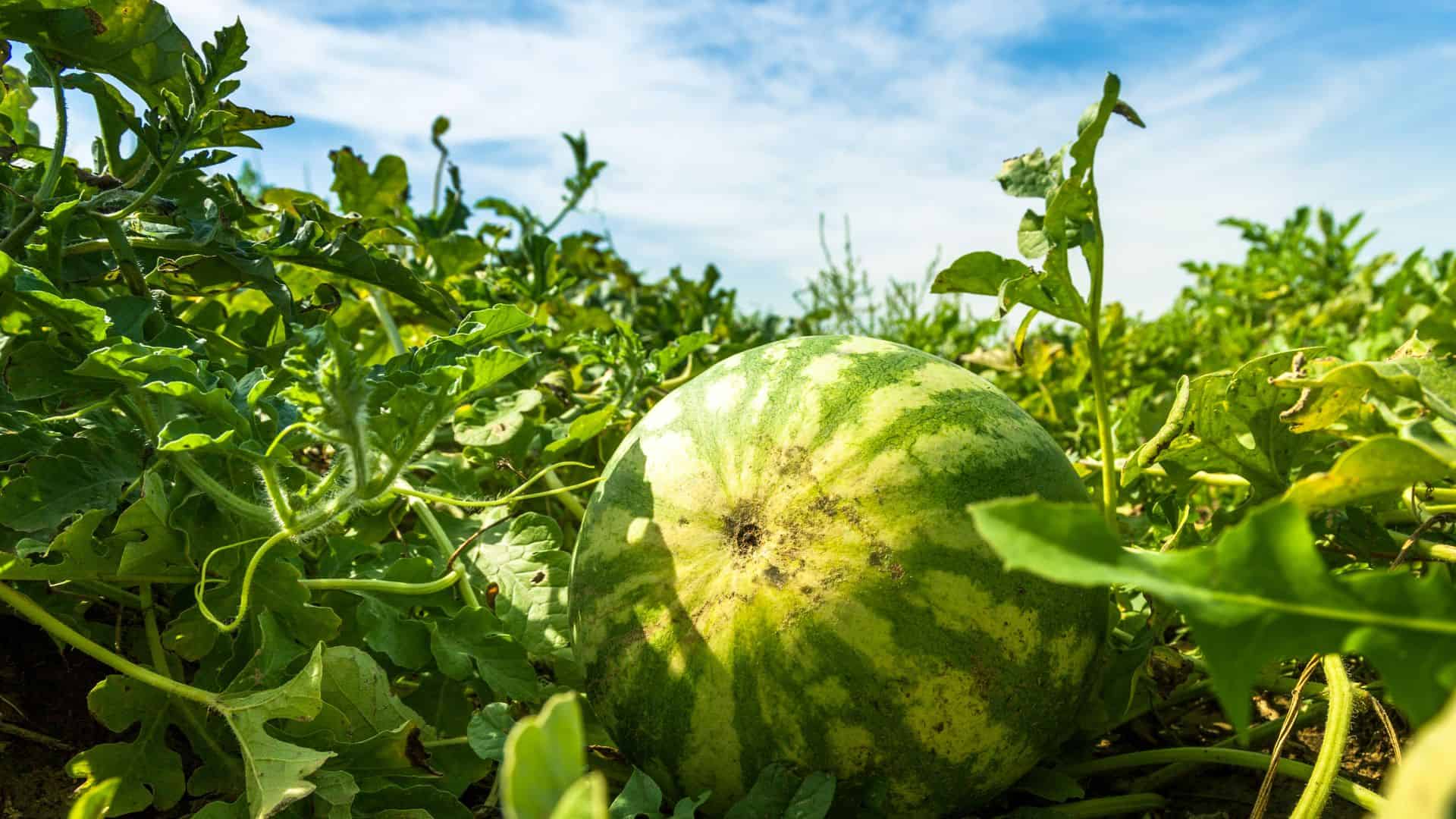
Brown, web-like lines on the surface might look strange, but they're actually good news. These "sugar spots" or "webbing" form when the fruit's natural sugars seep through the skin, indicating a high level of sweetness. They're often found near the field spot or stem area. While too much can indicate overripeness, a little bit of webbing is usually a great sign. Think of it as a sugary preview of what's waiting inside. If it's paired with a good field spot and solid sound, you're in luck.
8. Evaluate the Tail End
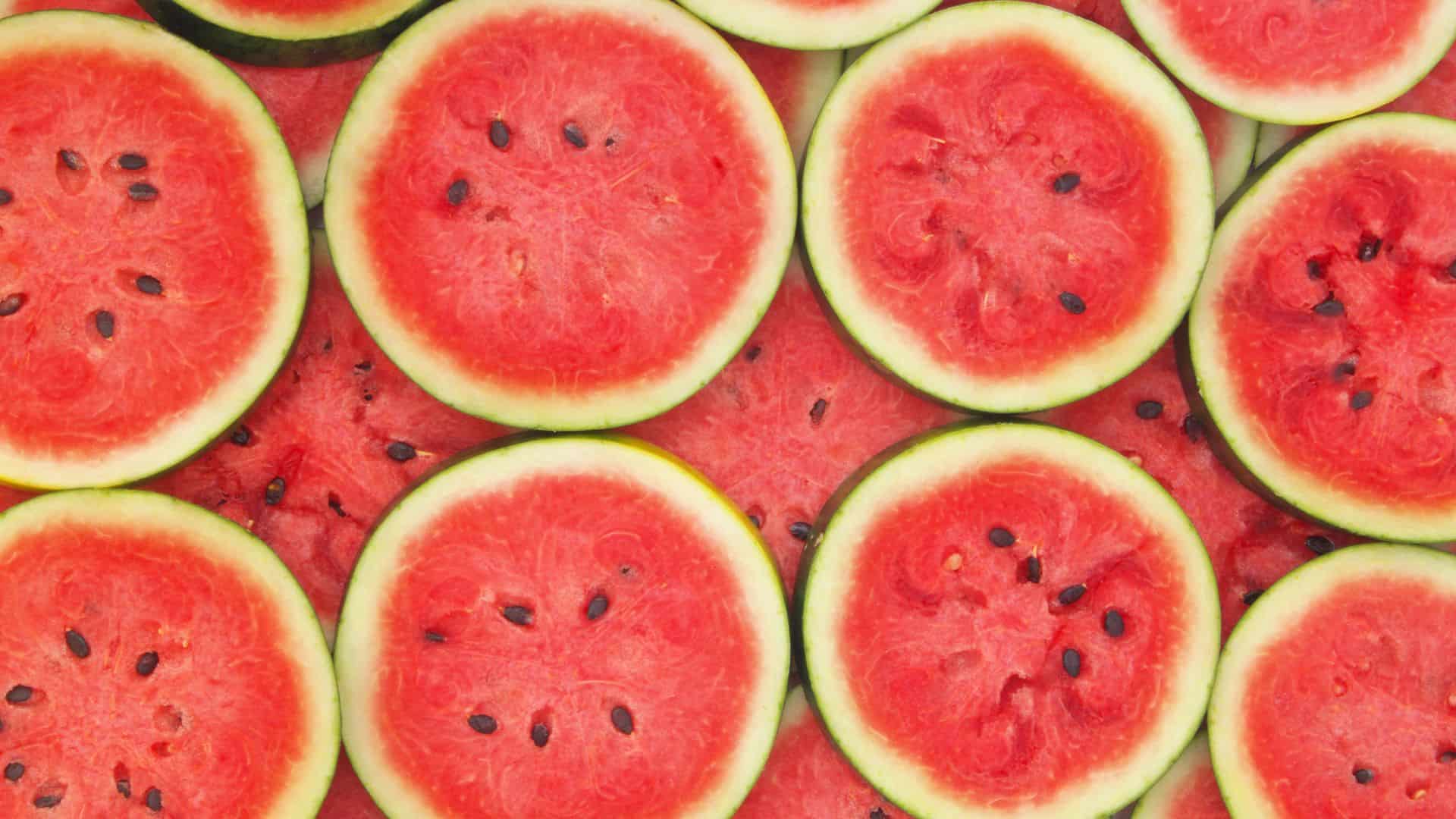
Some watermelons still have a tail or stem attached, and their appearance can tell you a lot. If the stem is green and fresh-looking, the melon may have been picked too early. A brown, dry tail means it had more time to ripen naturally before harvest. This little detail is easy to overlook, but it's a useful bonus clue. When shopping in a hurry, look for a dried tail if you plan to eat it right away. Green tails are fine if you want the melon to sit for a few more days before cutting.
9. Choose Based on Sound and Feel Together
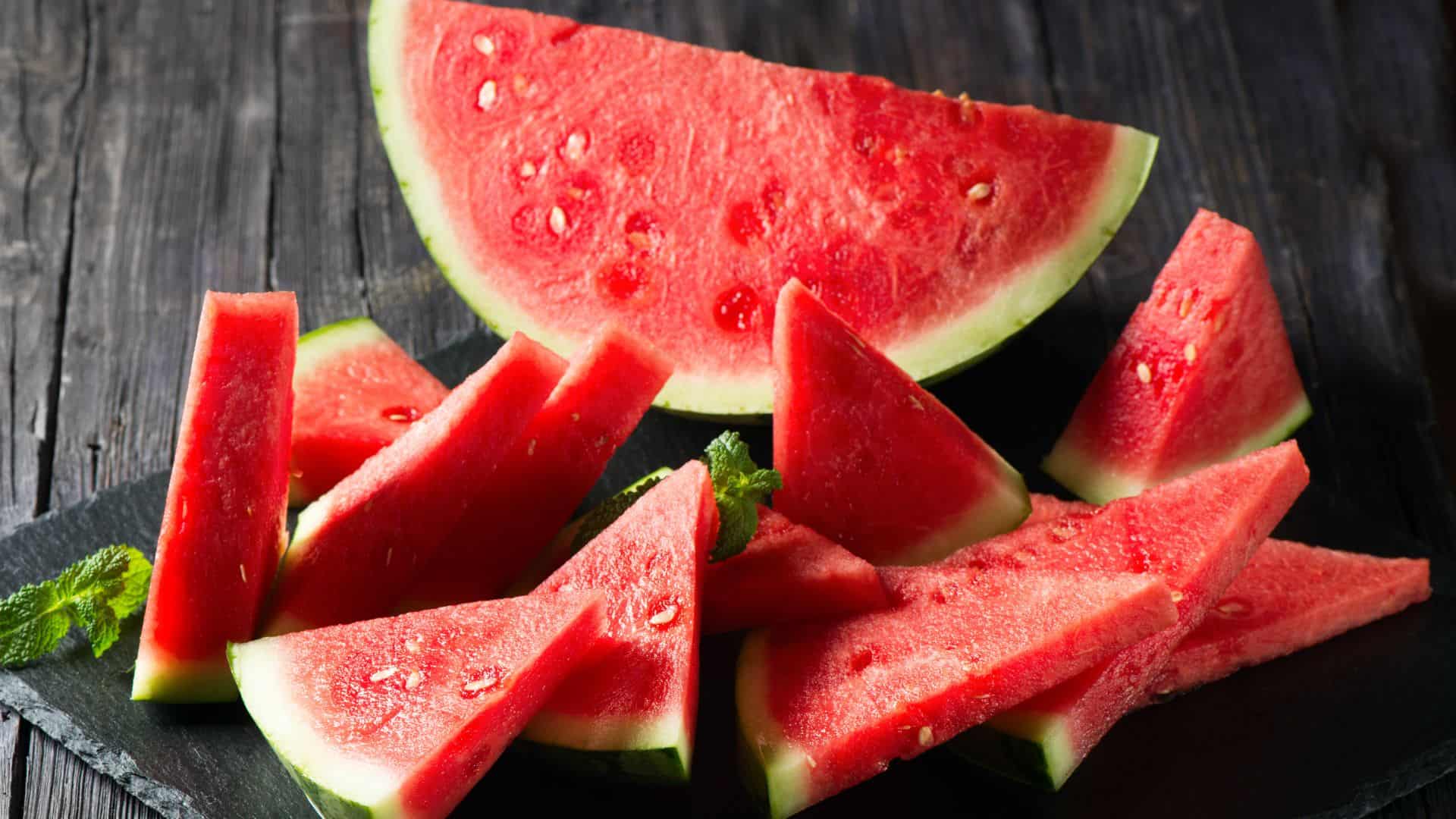
The best watermelon picks come from checking multiple signs, not just one. Sound, weight, color, and field spot all work together to reveal the fruit's quality. For example, a hollow-sounding melon that also feels heavy and has a deep yellow spot is a strong candidate. Don't rush. Take a few moments to evaluate all the clues. Often, the most promising melon will check every box. A little extra attention now means better slices later.
10. Give It a Final Smell and Gentle Press
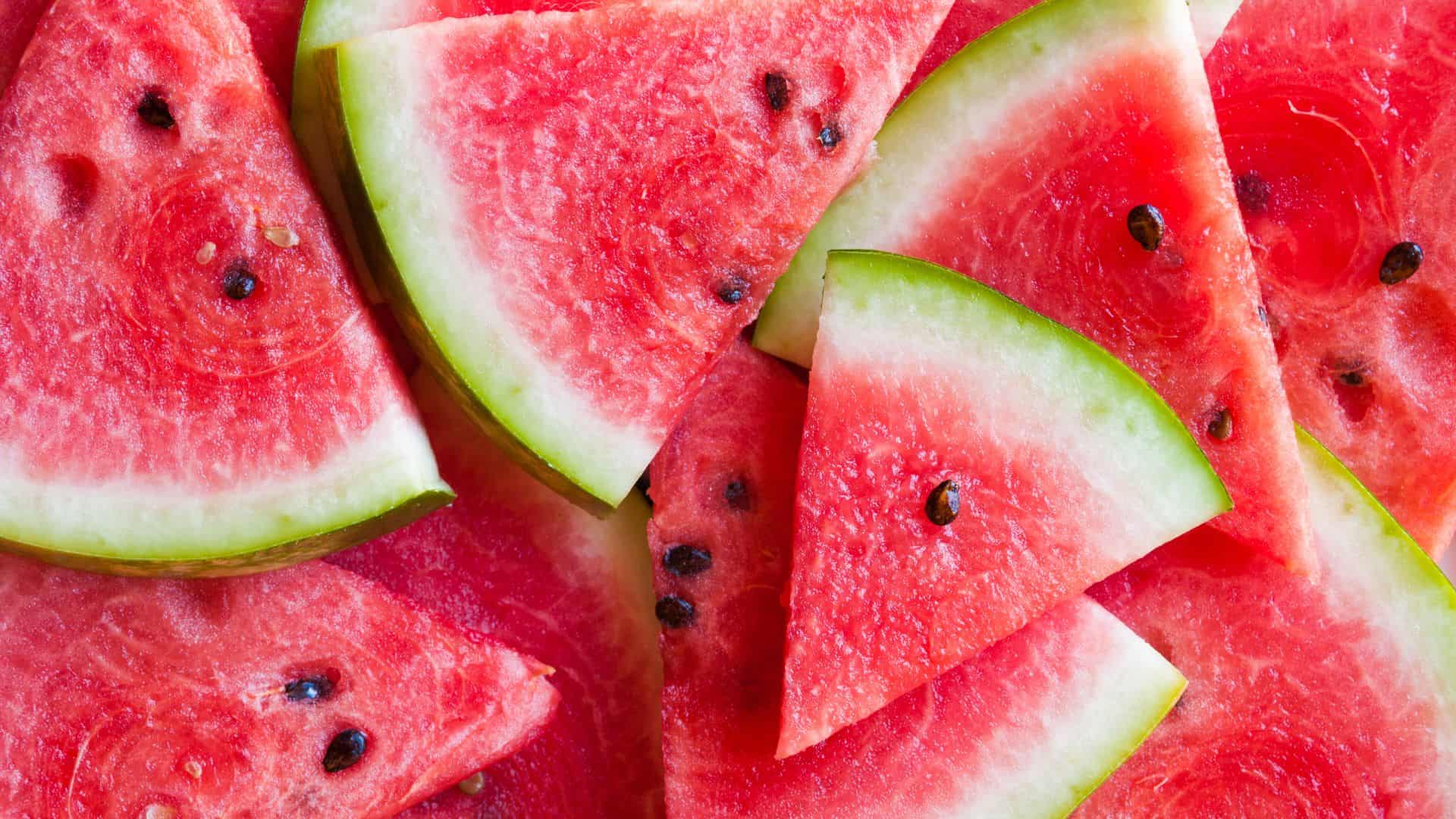
If you're still unsure, give the watermelon a sniff near the stem area. Ripe watermelons often have a subtle, sweet aroma. It shouldn't smell sour or musty, which could indicate spoilage. You can also press gently near the ends. There should be a slight firmness without mushiness. While not all melons have a noticeable scent, this final check can confirm your choice. Once it passes the look, sound, weight, and smell tests, it's time to take it home and enjoy it.
Leave a Reply