
Having a meal is almost always a group activity in every culture. People come together, share food and drinks, talk, and interact with one another. However, in our modern world, just like anything else, dining culture has evolved, and lately, solo dining has become a growing trend.
Living in a big city does not mean we are close to the people we would like to dine with, or that we need some alone time after a busy day to relax and unwind. If you're considering dining alone, remember you are not alone. According to OpenTable, approximately 52% of Americans plan to dine alone this year, with an even higher percentage of Gen Z diners—about 65%—planning to do the same.
Why eat alone, you may ask? Well, there are some surprising benefits to dining solo in a restaurant, and it may be something we all should be doing. Take a look at some of the facts and interesting ideas about why you should plan to eat out alone and enjoy all the perks of solo dining.
Why You Should Dine Alone
Dining alone, once considered taboo or awkward, has become a quietly empowering ritual for many people. Rather than being something we have to do when on a work trip or lunch break, eating out by yourself is now a more intentional experience that offers a wealth of benefits for the body and mind.
According to Dr. Supatra Tovar, a clinical psychologist and registered dietitian, one of the most significant benefits of solo dining is the practice of mindful eating. When you dine alone, you give yourself space to fully focus on your meal without the distractions of conversation or social etiquette. You notice the aroma, texture, and nuances of flavor in each bite. This kind of mindfulness can improve your connection to food and, more importantly, to your body.
- You are more likely to recognize hunger and fullness cues.
- You can savor your food slowly and intentionally.
- You become more aware of how certain foods make you feel.
Beyond the food, dining solo is an exercise in self-awareness. It provides you with uninterrupted time to reflect, think, or enjoy your own company. Clinical psychologist Dr. Cortney Warren has noted that solo dining can offer opportunities to better understand yourself and create meaningful, positive experiences around eating.
Another powerful benefit is the freedom it offers. When you eat alone, you don’t have to compromise, and you control the whole experience. You get to pick the place, the time, the menu, everything. Do you have any special dietary needs? With solo dining, you don´t need to compromise on food or feel awkward when choosing food. You are not adjusting to other people's tastes or expectations.
Solo diners often experience greater self-confidence, and this may be one of the biggest draws for those considering dining alone. Walking into a restaurant and requesting a table for one takes courage, especially in a culture that often equates dining with socializing. But that bold move sends a strong message to yourself and others, saying that you are comfortable with who you are. Eating alone on a regular basis can reinforce a positive self-image and increase your confidence in other areas of life.
A 2021 study in the International Journal of Environmental Research and Public Health found that university students who dined alone by choice experienced solitude as a constructive force. Rather than feeling lonely, they viewed the experience as relaxing and beneficial to their emotional and cognitive well-being.
How to Eat Alone at a Restaurant
Now that you've seen how beneficial it can be to eat alone, it's time to put the idea into action. If you're new to solo dining, the idea might feel intimidating at first, but with a bit of planning, it can become one of the most enjoyable aspects of your week. Here are some helpful strategies to ease into it and make the most of the experience.
1. Choose the right restaurant
Start with a place you love or have always wanted to try. A casual and welcoming place can make you feel more at ease. Cafés, bistros, and smaller spots are often more solo-diner friendly than more formal establishments. Feel free to book a table or have a plan B in case the place is fully booked. Don´t be shy, this is about you, and you are the guest.
2. Pick the best seat for your mood
Do you want to socialize or people-watch? Ask for a seat at the bar. Do you prefer some alone time? Request a quiet corner or booth. Want to enjoy the natural light or a scenic view? A window seat is perfect. Don’t be afraid to ask for the seat you want, as the whole experience is about you!
3. Bring a book, notebook, or headphones
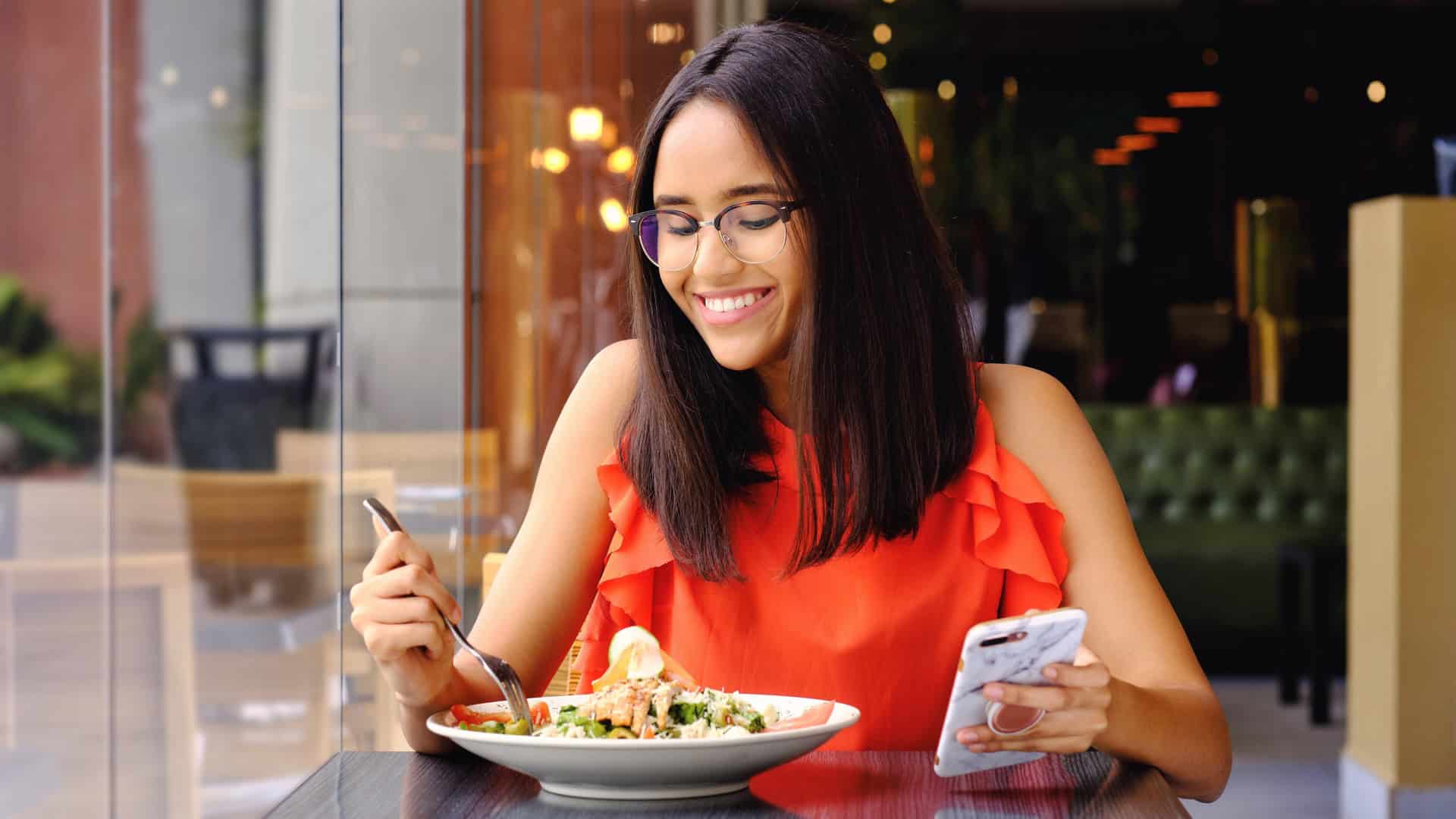
If you're dining alone for the first time and feel uneasy about being alone or having nothing to do, it's okay to bring a book, listen to a podcast, or have something to occupy your hands. These distractions can make the experience easier at first.
However, when you're ready, try dining alone without relying on your phone or iPad. Notice the setting, the flavors, and the little details around you. Solo dining can be a powerful practice in slowing down and reconnecting with your senses.
4. Order exactly what you want
Forget what anyone else might think and order exactly what you want at the moment. Are you craving pancakes at dinner or fries with a glass of wine? Go for it. This is your time, and there are no rules.
While it’s tempting to go big, remember that you're ordering just for yourself. You may want to skip the family-style dishes or full pitchers of drinks unless you really want them or plan to enjoy the delicious leftovers the next day. This is your chance to treat yourself without judgment.
When it comes to drinks, not everyone is the same, but try to limit the alcohol, especially if you are in an unknown city or on a business trip. This can save you from unexpected surprises.
5. Don’t feel pressured to fill the silence
If you'd like to chat, talk to your server or initiate a conversation with someone at the bar. Go ahead, it is not a date unless you want to. But you definitely don’t have to. Let yourself be quiet, if that feels best to you. Silence and solitude can be powerful!
6. Start small
If solo dining feels strange, but you still want to try it, then start small. Try grabbing a coffee or lunch alone before jumping into a full dinner experience. Casual settings can ease the pressure and help build your confidence.
Dining alone can be a true form of self-care. It allows you to create space in a busy world, to eat with intention, and to strengthen your sense of independence. You can make it a weekly ritual or an occasional treat, but it is definitely something you should try. With so many benefits, both mental and physical, you may want to call your favorite restaurant today and make a reservation for one!
Leave a Reply