
Do you ever get excited about a new food trend, only to realize a few months later that it’s… not actually that great? Same. I’ve fallen for plenty of those “healthy” shakes, plant-based everything. At first, they all sound like the answer to all your problems. But after a while, you start to notice they’re either ridiculously expensive or just not something you’d want to eat long-term. Some even make eating more complicated than it needs to be. The following food trends have had their moment, but honestly? I think we’re all ready to move on.
Note: The content of this article is not medical advice.
Diet sodas

Let’s be honest: drinking diet soda while eating double portions doesn’t really add up. These drinks were marketed as a guilt-free way to enjoy soda, but the overall lifestyle habits matter a lot more than one low-calorie beverage. Many people use them as a free pass, thinking it balances out everything else they eat. But replacing sugar with artificial sweeteners isn’t necessarily better. At some point, it just becomes a habit without much benefit. If you want something fizzy, sparkling water might be a smarter way to go.
Energy drinks
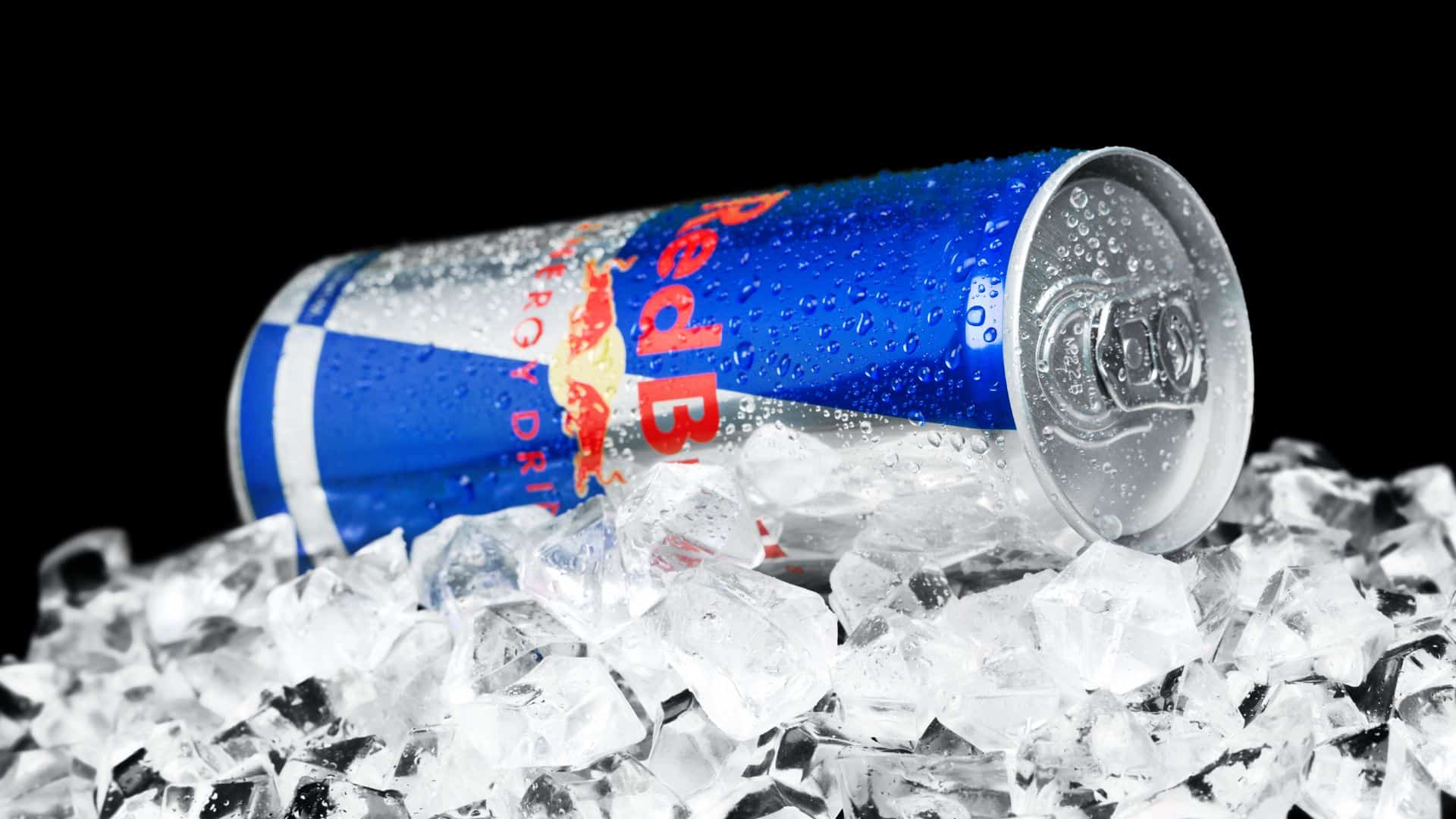
Energy drinks had the potential to help us power through busy mornings and long nights, but somewhere along the way, they lost the plot. These drinks are often loaded with sugar, caffeine, and a list of ingredients you can’t pronounce. Sure, they offer a quick burst of energy, but it usually comes with a crash. Many of us drink them out of routine rather than need. There are better ways to wake up, like a walk, a cold shower, or yes, a regular cup of coffee.
Fad diets
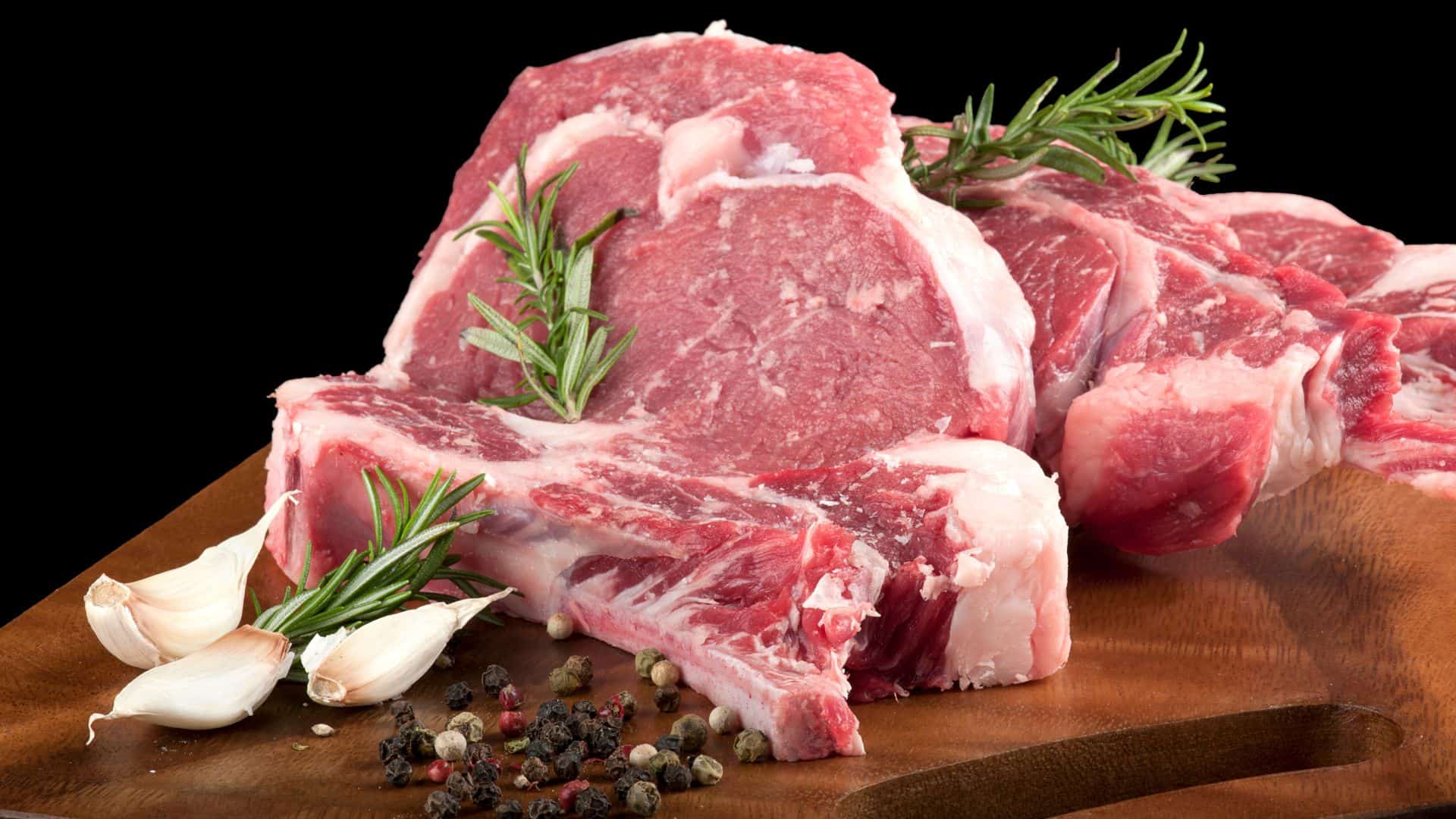
Social media made fad diets explode, but that doesn’t mean they work for everyone, or anyone, really. When influencers start pushing a “miracle” way to lose weight, you should always pause and ask who it’s actually for. These diets often sound great at first, but tend to be unrealistic or unsustainable. What’s worse, they can make people feel like failures when the results don’t last. If something sounds too good to be true, it usually is.
Superfood powders and supplements

There’s a new powder or pill for everything these days, and it’s easy to believe they’ll fix what’s missing. But most of us don’t need shelves full of supplements to be healthy. Real food still does a better job at keeping us fueled, energized, and satisfied. Supplements may have their place, but they shouldn’t be the foundation of your diet. Chasing every new “superfood” trend can also get expensive fast. Sometimes, a simple meal made from whole ingredients is all you need.
Clean eating

The idea of clean eating started off strong: Cut the junk and eat more whole foods. But over time, it’s become a rigid rulebook for many. When you start labeling foods as “clean” or “dirty,” you can create guilt around eating normal, everyday meals. Balance gets lost, and so does the joy of eating. Being mindful of what you eat is smart, but food shouldn’t become a source of stress. Eating well shouldn’t mean eating with fear.
Gluten-free diets
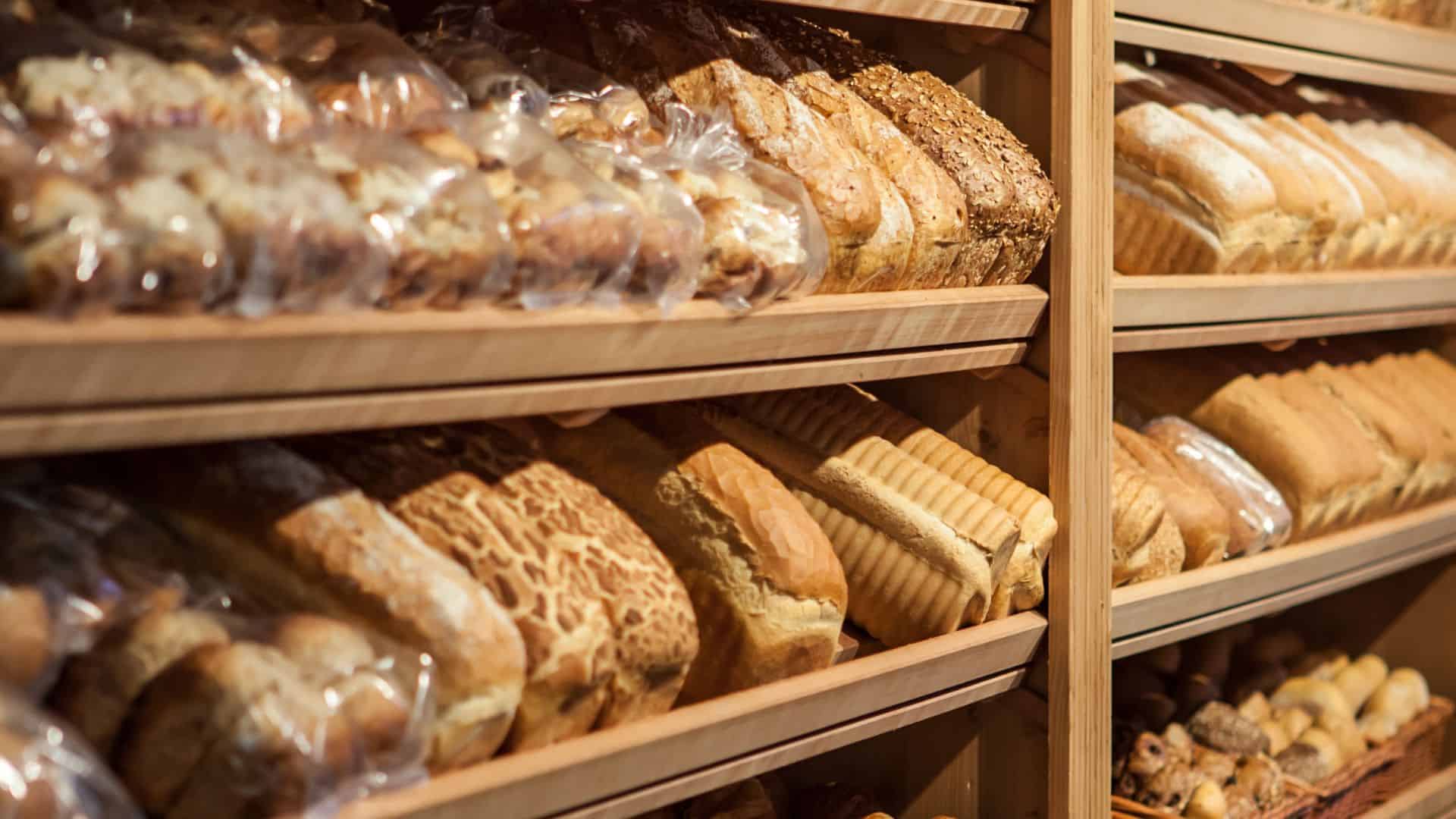
Now, we’re not saying gluten-free diets are bad because, of course, they’re made to facilitate people with gluten allergies. However, eating gluten-free foods just because of a recent trend, without a dietitian’s recommendation, is probably not a good idea.
Gluten-free diets are supposed to be appropriately managed. Without maintenance, they can create deficiencies because they cut out major nutrients.
Meal replacement shakes

The name should be a dead giveaway as to why meal-replacement shakes don’t work; they’re just a bad way to omit certain food groups from your diet and will lead to severe deficiencies later on. The bottom line is you should probably not replace a meal with a liquid shake.
Sinless eating

Sinless or guilt-free eating is a fad that involves eating high amounts of low-calorie foods so one doesn’t feel bad about eating. It’s a way of manipulating one's body into eating more while gaining less.
However, low-calorie foods aren’t always nutritious and can lead to nutritional deficiencies. Plus, you need to know exactly which foods are okay to eat; otherwise, you will be eating many unhealthy foods without knowing it.
Ketogenic overeating
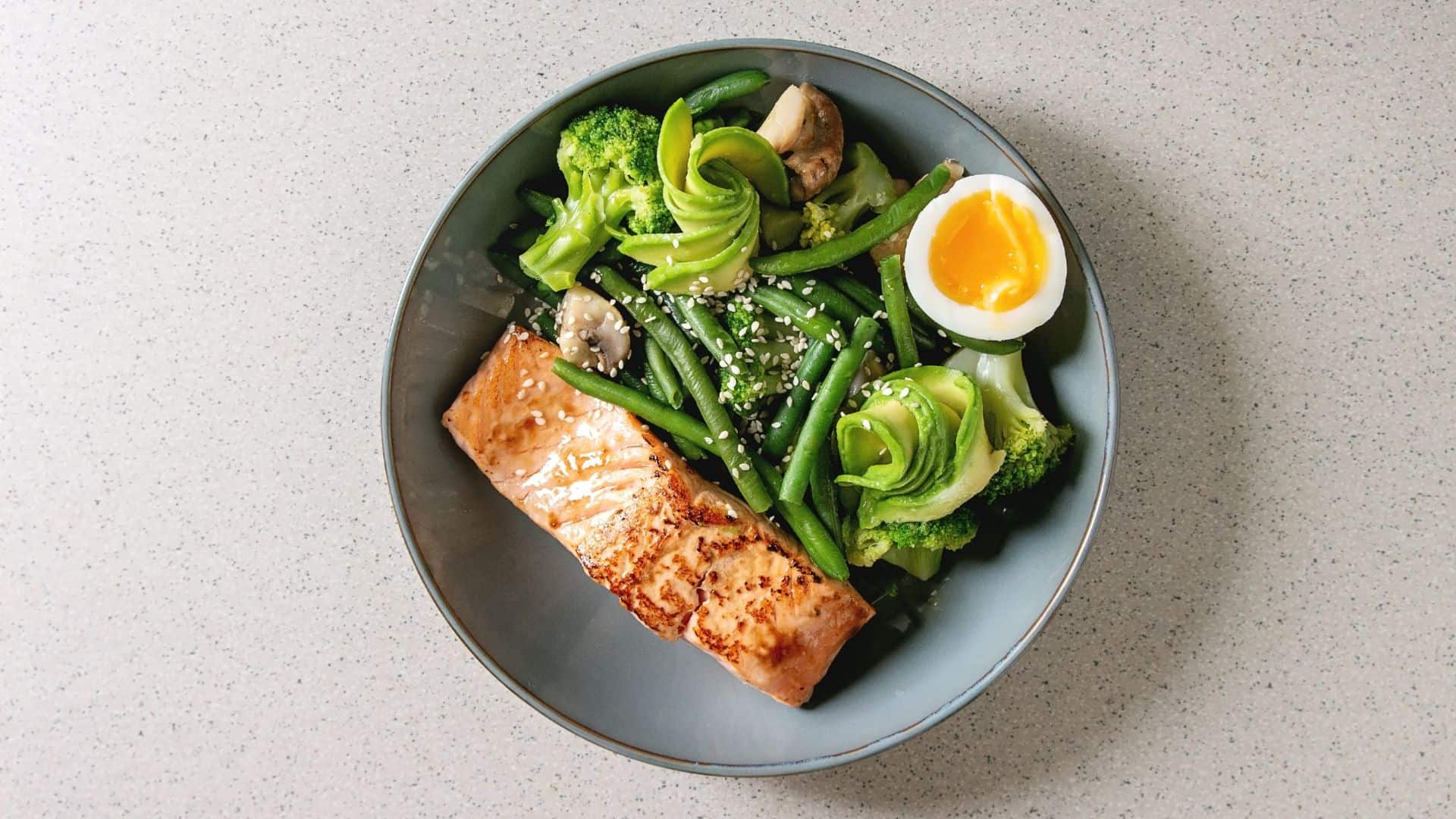
The ketogenic diet is a low-carb, high-fat diet that forces your body to turn from carbs to fat as an energy source. While the diet may work with regular exercise and is a proven pound-dropper, this low-carb regimen has to be followed to the letter in order for it to be effective. Otherwise, it may be harmful to your health.
Protein Shakes

Protein shakes are a great way to bulk up, but they shouldn't really be part of your everyday life. They are more of a fitness trend rather than a real food. But we are getting a little tired of the chalky protein shakes either way. Aren't you?
Plant-based meats
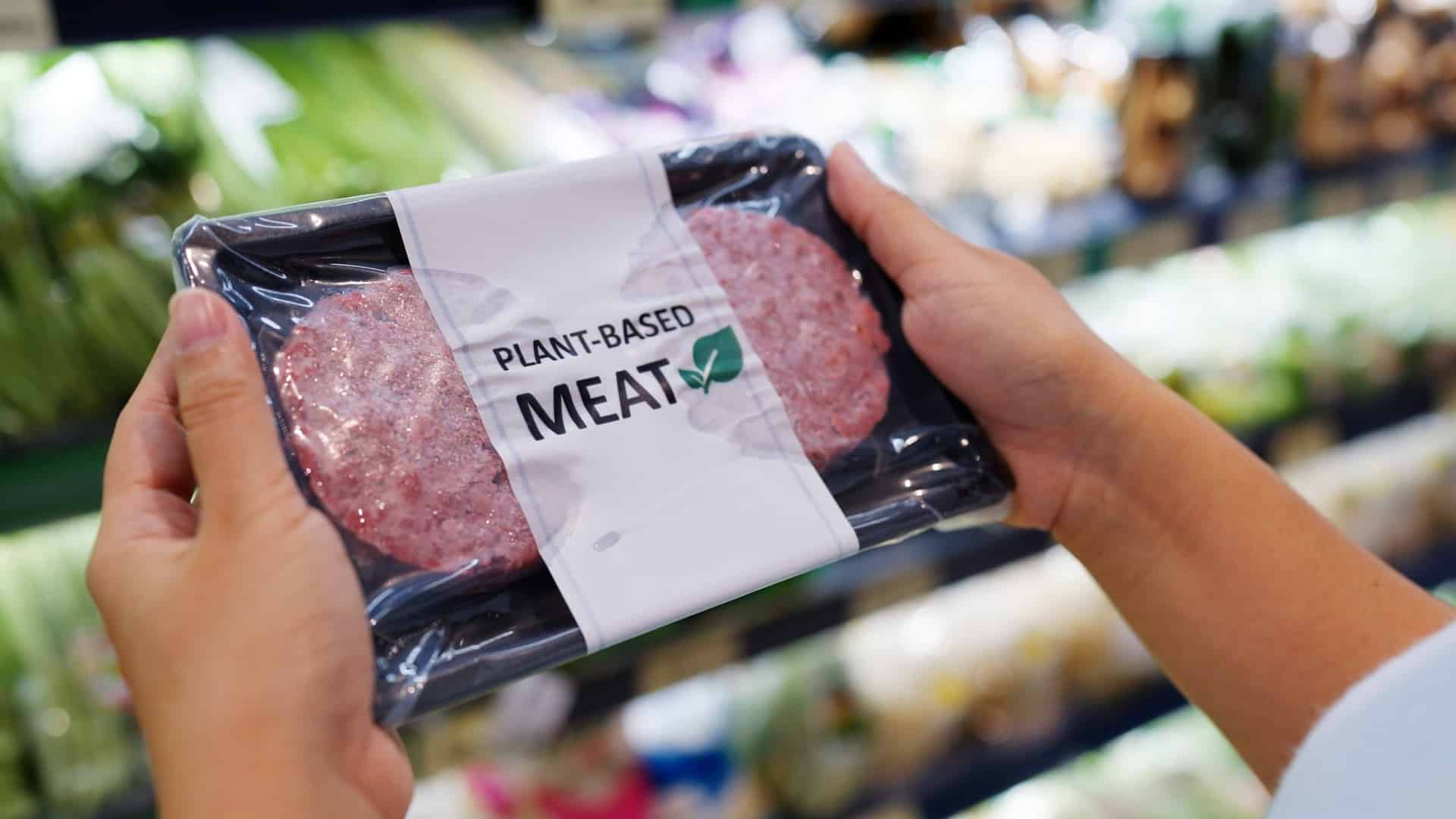
Like gluten-free diets, plant-based meats and other meals are a good way to overcome dieting restrictions. However, it’s essential to realize that while they’re as good a protein source as animal meat, they may have a restricted nutritional profile. Make sure you read those labels be
Coconut oil
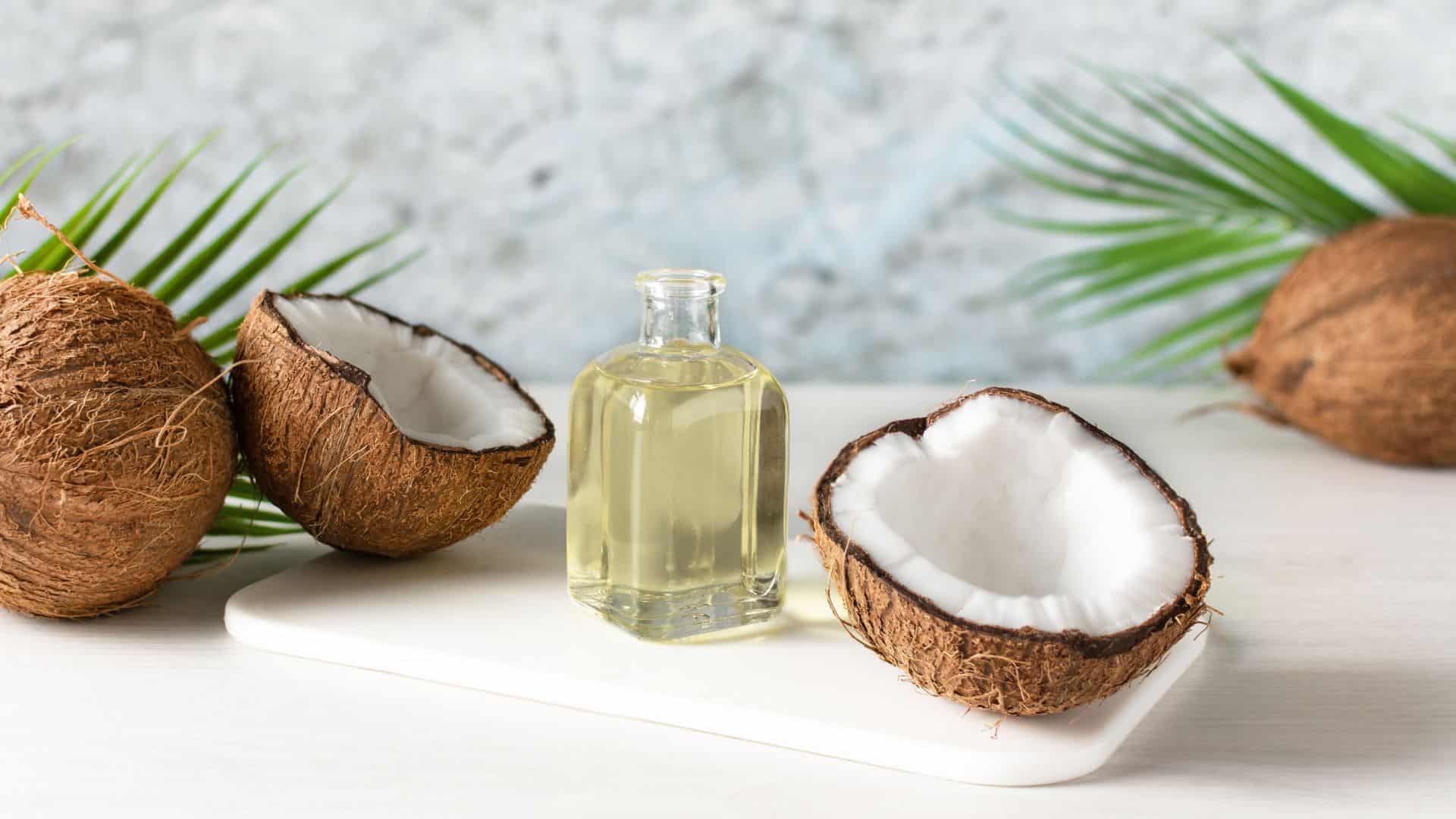
Many believe eating coconut oil helps them shed weight because it contains MCT (triglycerides that supposedly burn fat and are digested faster). However, its weight loss capabilities are still being studied and are not reliable.
Coconut oil may be a source of MCTs, but it has a higher saturated fat content, which can be dangerous when overeating.
Leave a Reply