
I love cooking at home; it's relaxing and creative, and it's a great way to care for the people I love. But over the years, I've realized that even in your own kitchen, it's easy to make mistakes that can lead to foodborne illness. Most of us don't think twice about things like reusing a dish towel or letting leftovers sit out a little too long. The truth is, small habits can carry big risks if we're not careful. Here are some of the most common food safety mistakes to watch out for and how to avoid them.
Cross-Contamination
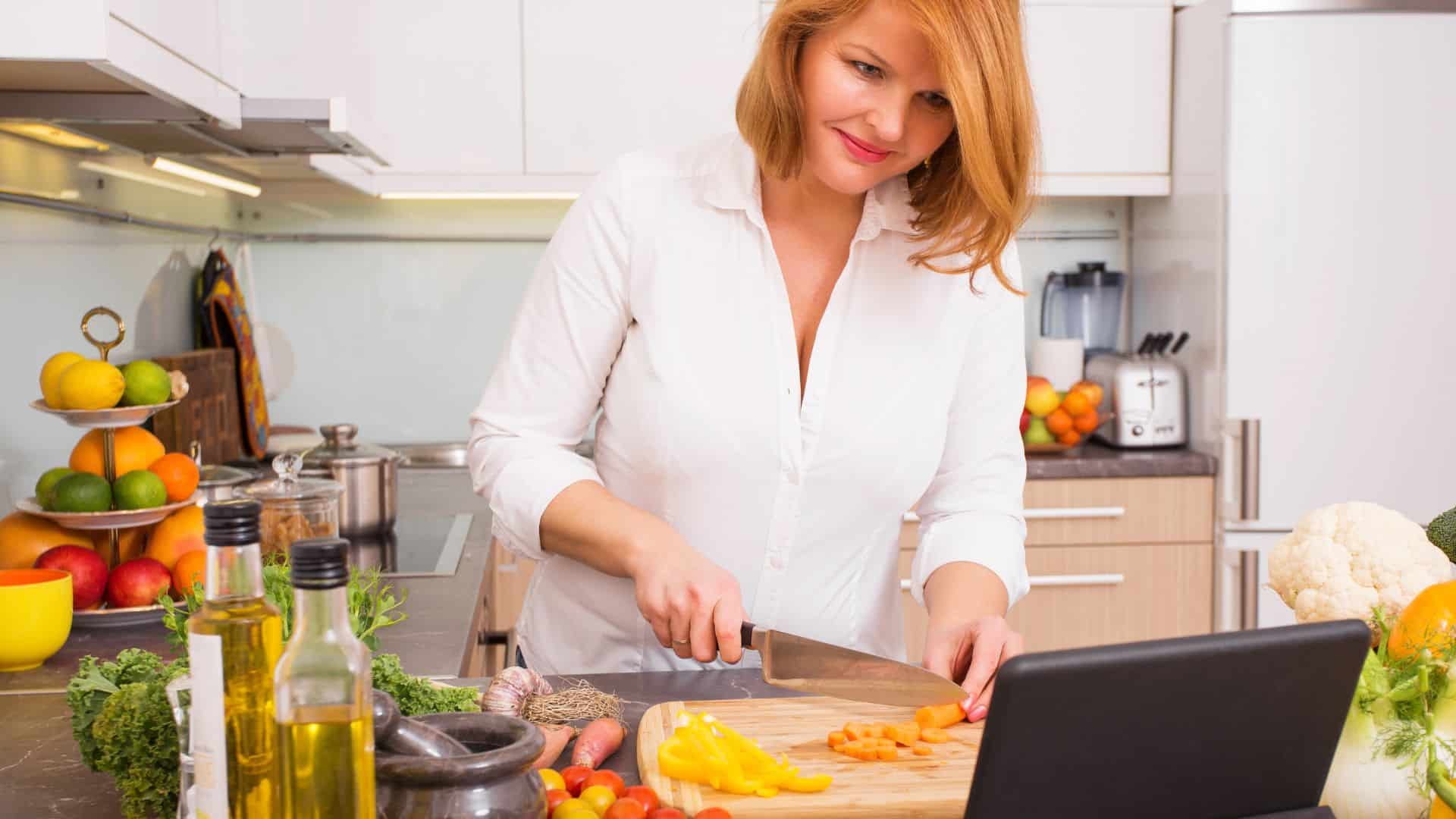
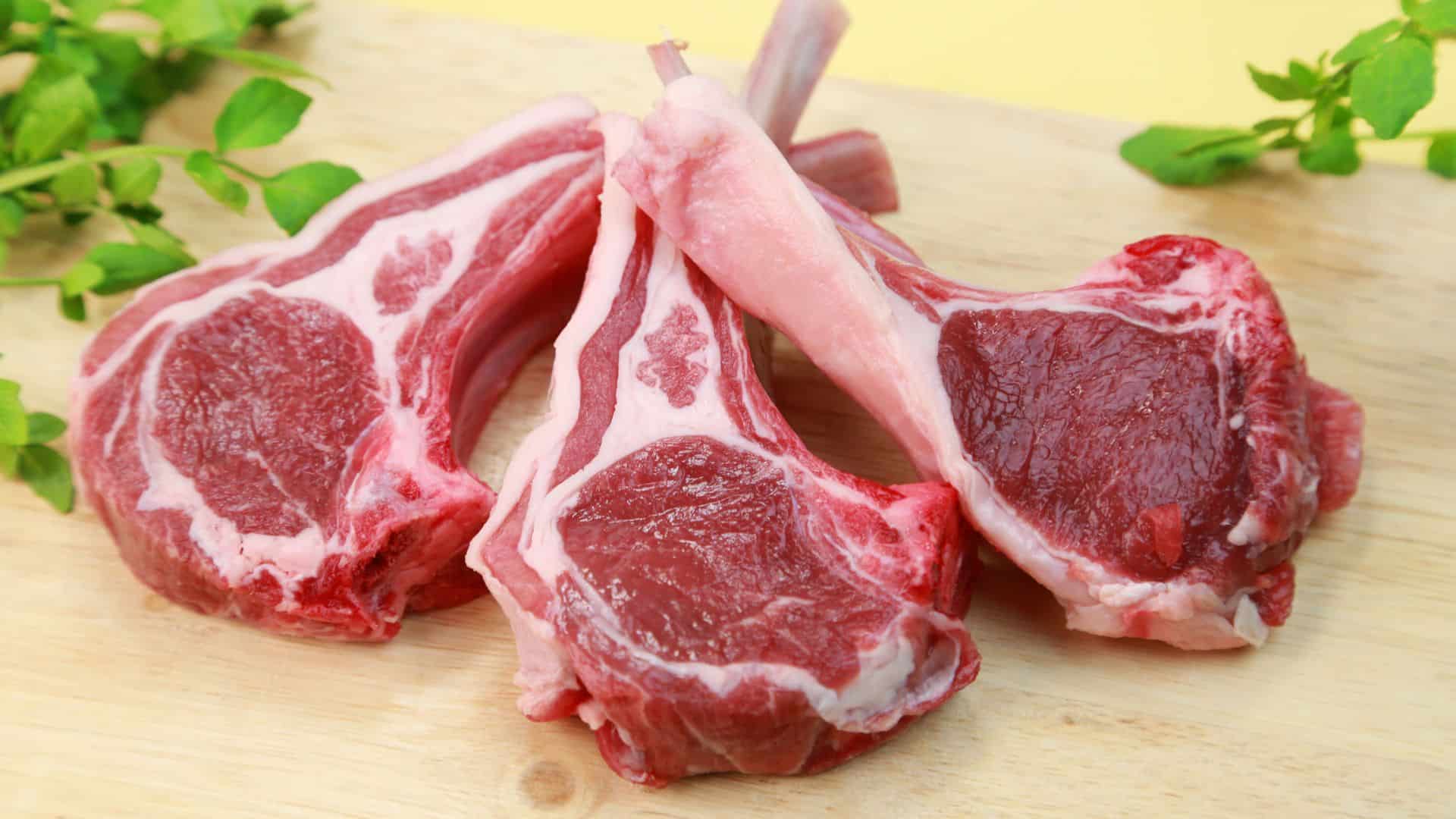
Cross-contamination is one of the most common food safety risks in home kitchens. It happens when harmful bacteria from raw meat, poultry, seafood, or eggs spread to ready-to-eat foods, surfaces, or utensils. For example, using the same cutting board for raw chicken and then for chopping salad ingredients without washing them in between can easily lead to illness. To avoid this, experts recommend using separate cutting boards for raw and cooked foods. Also, thoroughly clean surfaces after each use. Simple habits like this can significantly reduce your home foodborne illness risk.
Not Fully Cooking Your Meat & Poultry
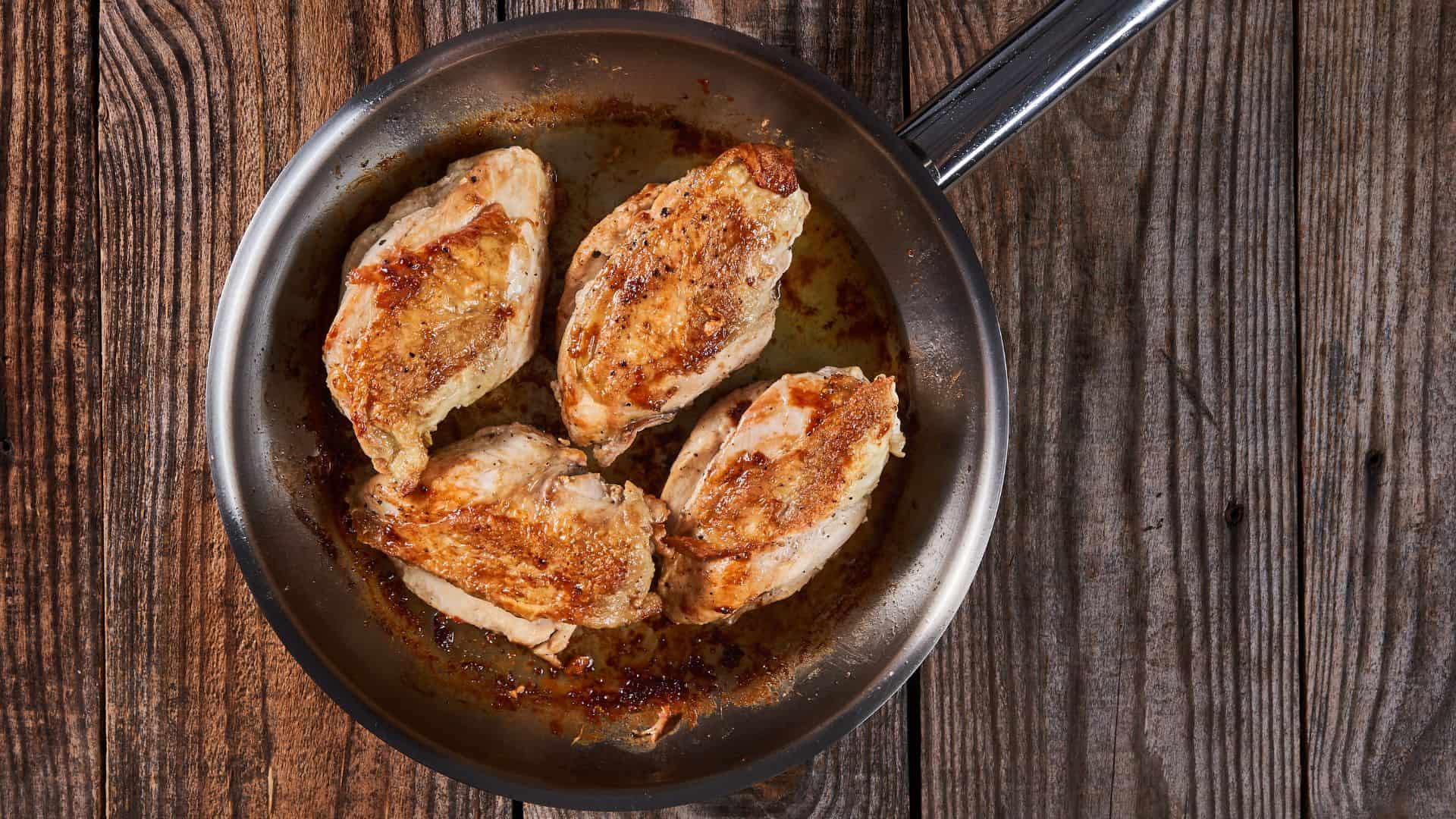
Undercooking food can leave harmful bacteria like Salmonella or E. coli alive, increasing the risk of serious illness. To cook food safely, it’s essential to reach the proper internal temperatures. Poultry should be cooked to 165°F (74°C), and ground beef to 160°F (71°C), according to food safety experts. Relying on color or texture isn’t accurate enough, which is why using a food thermometer is so important. This simple tool ensures your food reaches a safe temperature every time. For a full list of recommended cooking temperatures, check the USDA’s Safe Temperature Chart
Consuming Raw Dough or Batter
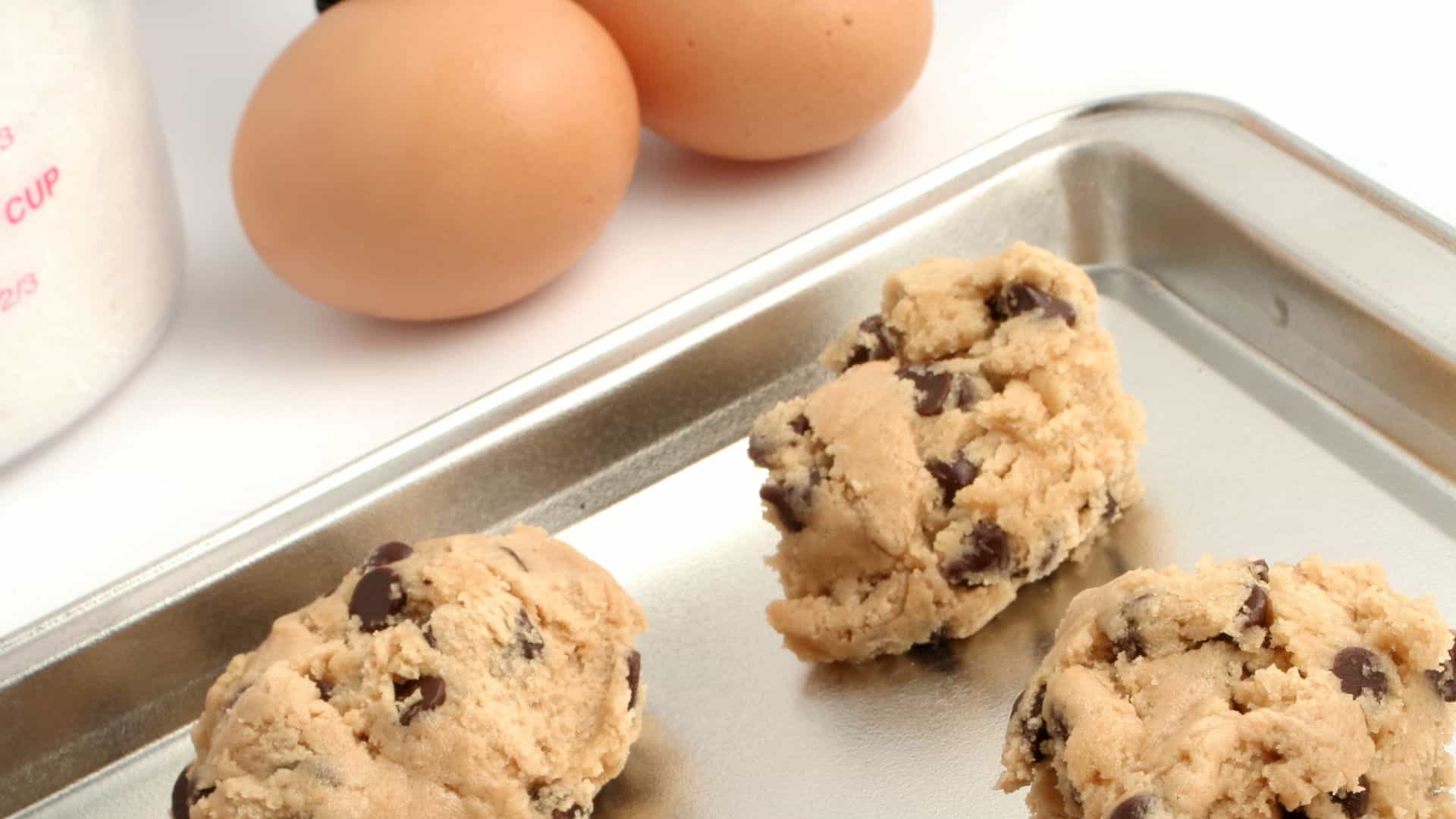
Eating raw dough or batter might seem harmless, but it can actually make you sick. Both raw eggs and uncooked flour can carry harmful bacteria—Salmonella from eggs and E. coli from flour, which don’t get killed until the product is fully cooked. Even just a spoonful of cookie dough can lead to a foodborne illness. The CDC advises avoiding raw dough entirely and waiting until baked goods are fully cooked before tasting. It’s a small sacrifice for staying safe in the kitchen
Improper Food Storage
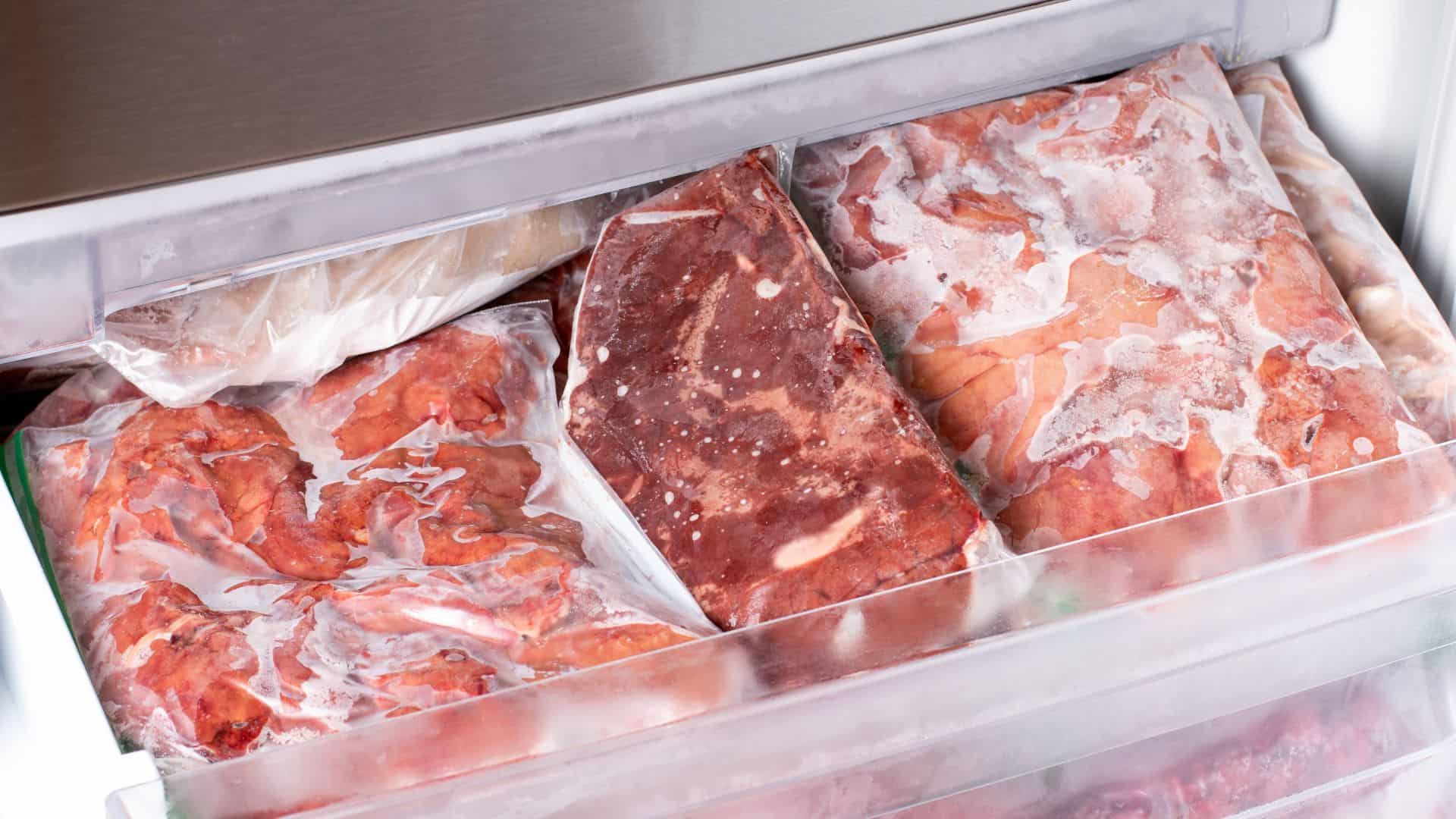
Improper food storage can turn a safe meal into a serious health risk. Leaving perishable items like meat, dairy, or leftovers at room temperature for too long allows bacteria to multiply quickly, especially in the “danger zone” between 40°F and 140°F (4°C and 60°C). To stay safe, refrigerate leftovers within two hours and make sure your fridge is set below 40°F (4°C). Thaw frozen foods in the refrigerator, cold water, or microwave—never on the counter. These simple habits can help prevent foodborne illnesses and keep your meals safe to eat.
Leaving Food Out Too Long
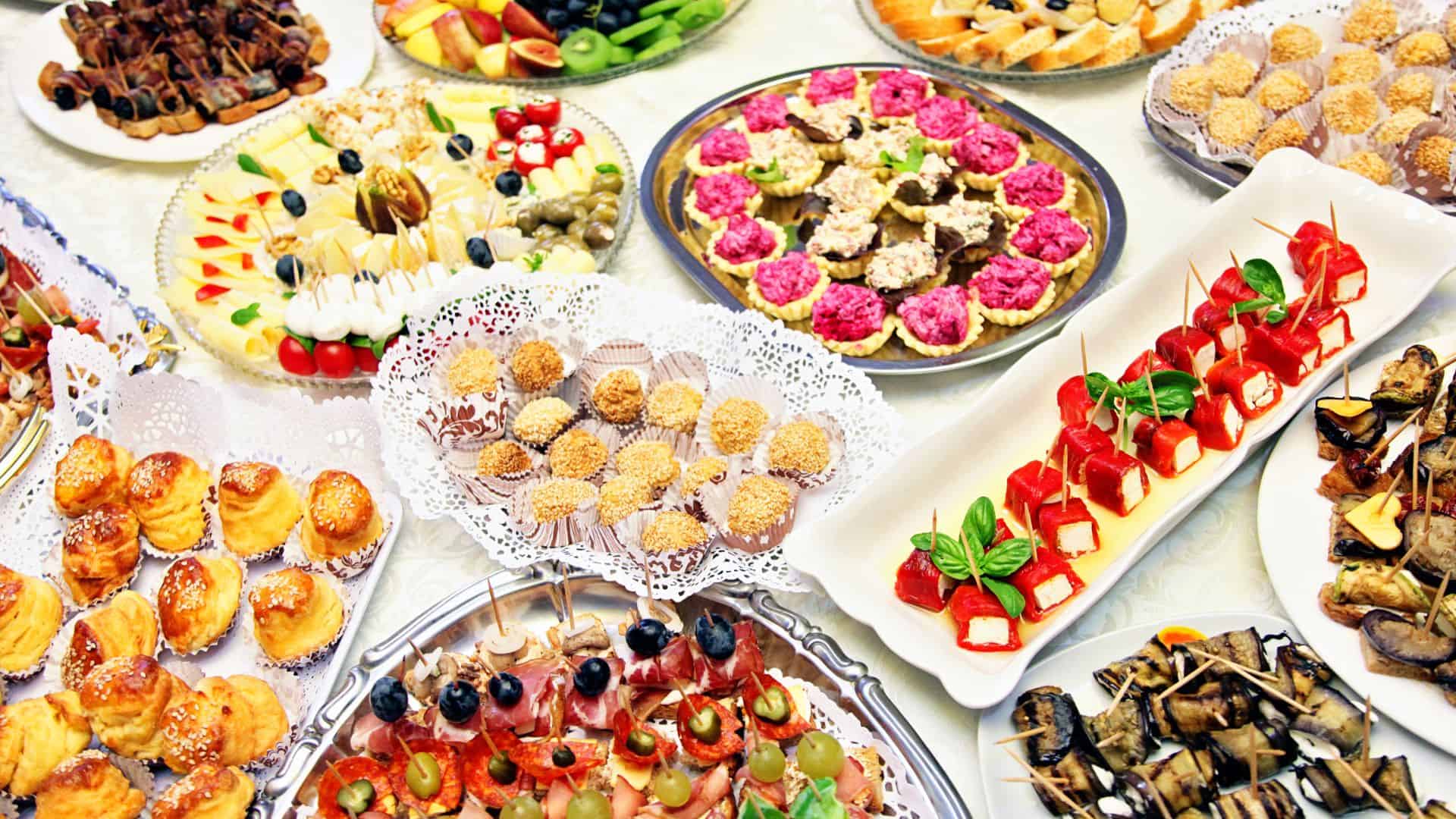
Leaving food out for too long after cooking gives bacteria the perfect chance to grow, especially in dishes that contain meat, dairy, or eggs. Perishable foods shouldn't be left at room temperature for more than two hours. Any longer, and they can become unsafe to eat. In hotter environments (above 90°F or 32°C), that window drops to just one hour. Promptly storing leftovers in the fridge helps keep them safe and extends their shelf life. It's a simple habit that makes a big difference in preventing foodborne illness.
Not Washing Fruits & Vegetables Properly
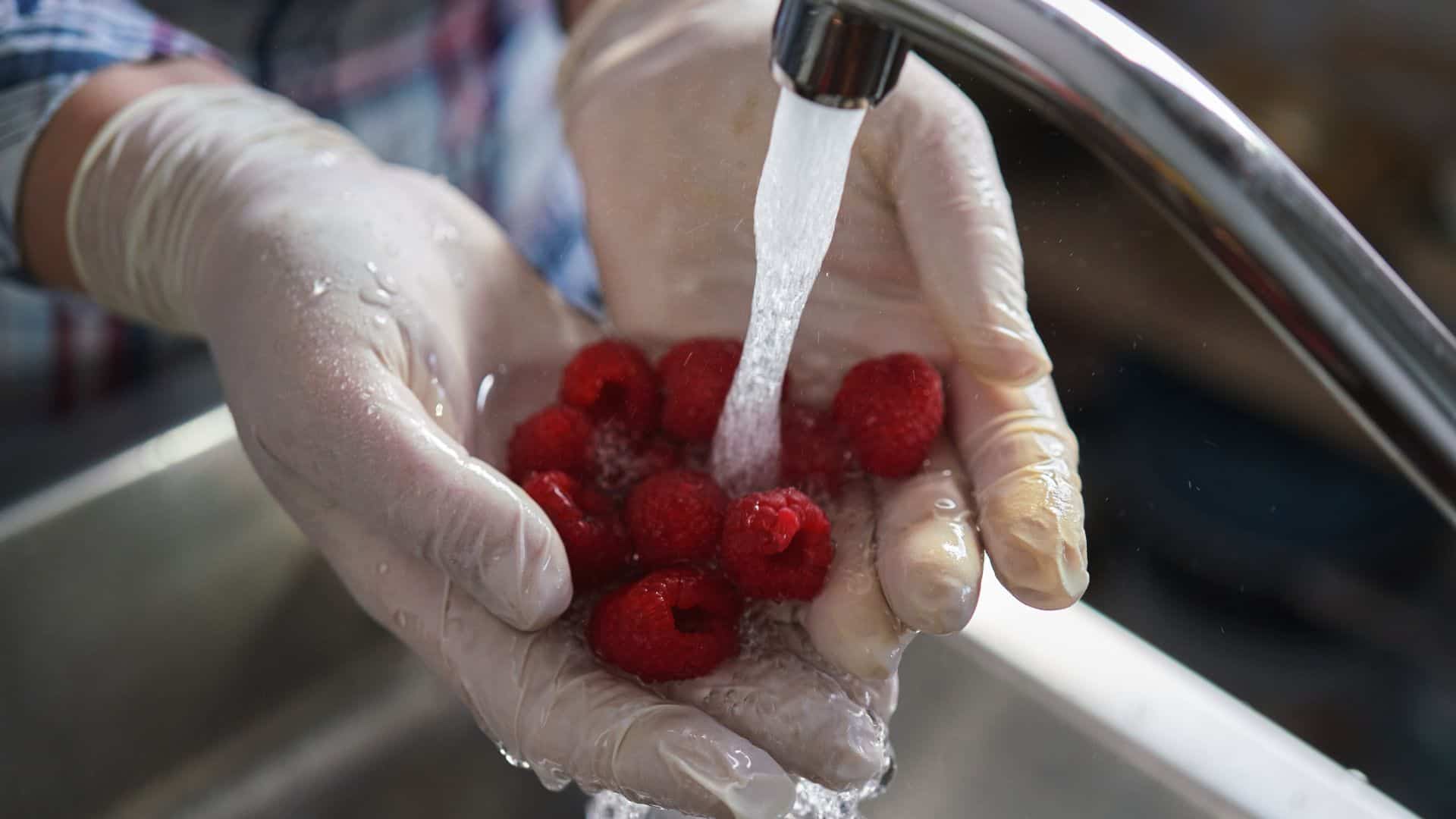
Wash raw fruits and vegetables under running water before peeling, eating, or cooking them to effectively remove surface dirt, germs, and any potential pesticide residue, thus minimizing the risk of ingesting harmful microorganisms or contaminants. It's important to note that germs can transfer inside the fruits and veggies when cutting into them, underscoring the importance of thorough washing as a critical step in food safety.
Not Washing Your Hands
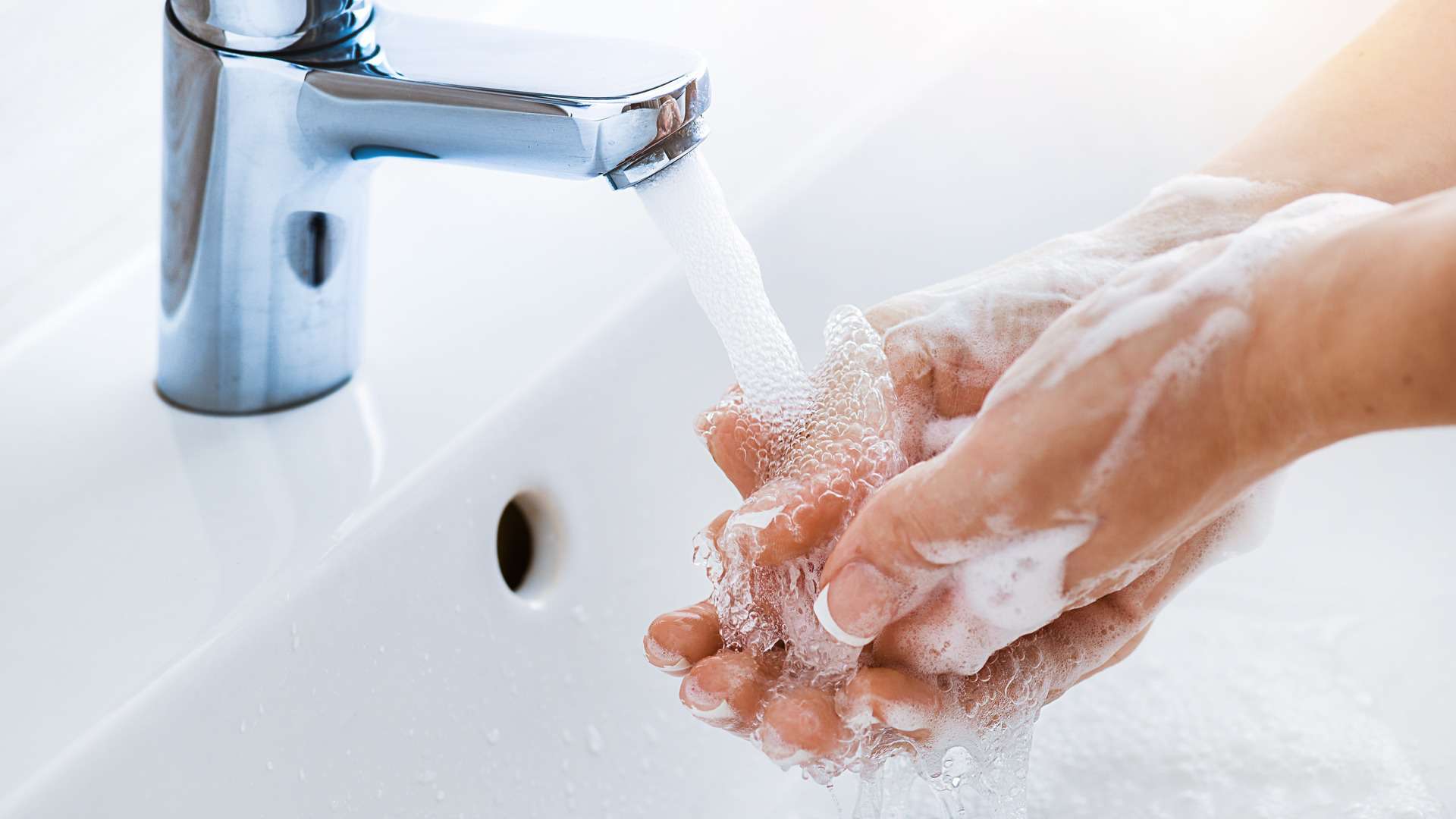
We touch many different things with our hands throughout the day, so washing them before we handle the food we eat seems like the right choice. The germs on our hands can transfer onto our food, making eating unsafe.
Eating Foods That Are Risky For You
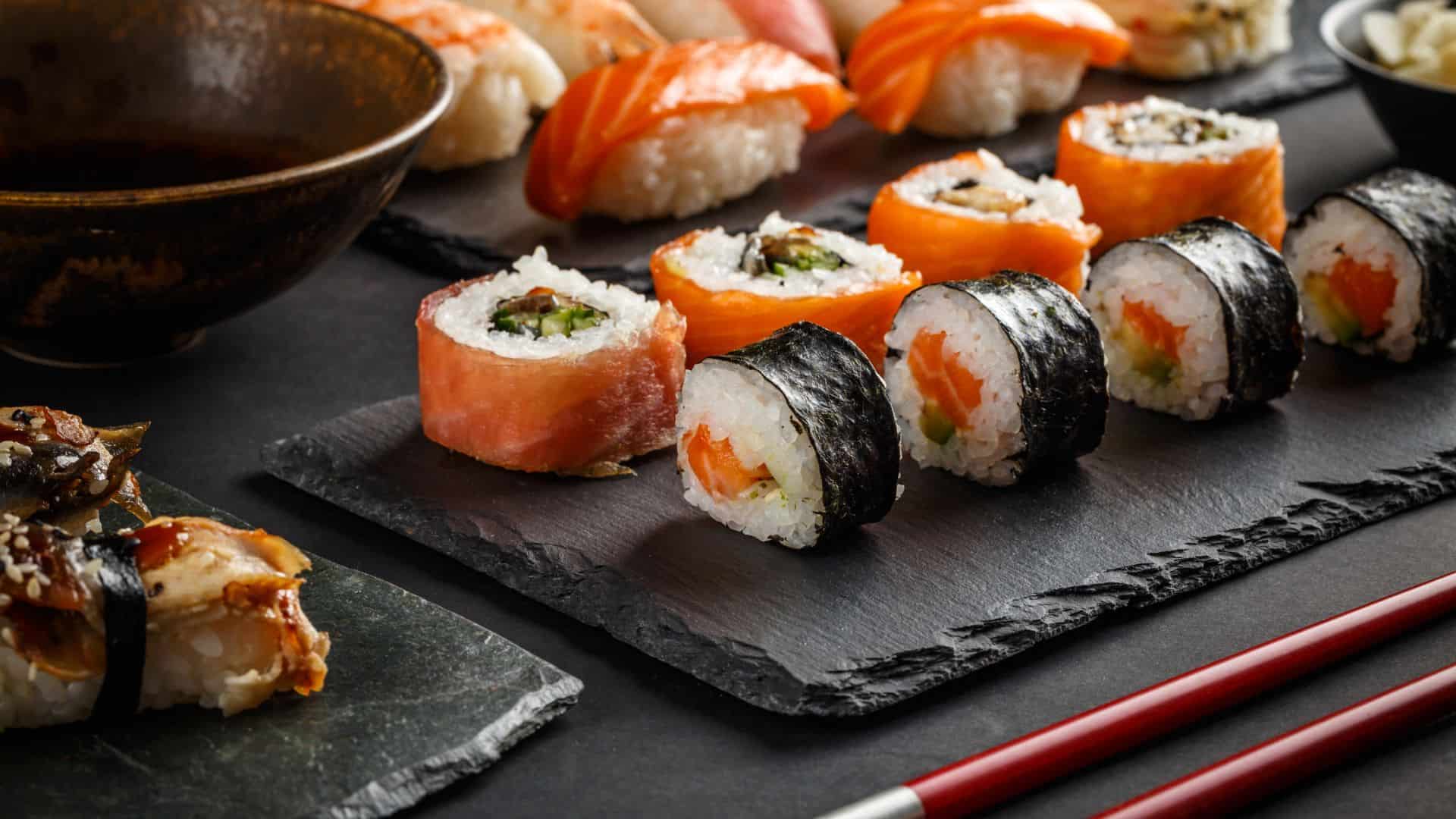
If you know you're lactose intolerant, don't suffer later in the day by eating a piece of cheese now. If you're prone to food poisoning, a senior, or have health conditions, be mindful of what you're eating and its effects on your health.
Reusing Dishes

Many people make the common mistake of reusing plates on which they seasoned or thawed their raw meat. Once you've taken raw meat or poultry off a plate, please place it in the sink or dishwasher or wash it. Make sure you're putting the cooked meat onto a different plate.
Taste Testing Food

Taste-testing food is a part of being in the kitchen, but be careful when testing foods and beverages you think might be spoiled, so you don't get sick. Likewise, ensure you don't taste-test raw meat until it's cooked.
Using a Single Dish Towel for Multiple Tasks
Using the same dish towel for multiple tasks, like drying hands, wiping spills, and cleaning raw meat juices—can spread bacteria around your kitchen. Towels can easily pick up and transfer germs, especially when they stay damp or aren’t washed frequently. This cross-contamination can end up on your hands, utensils, or even in your food. It’s safer to use separate towels for different jobs and wash them regularly in hot water. Keeping things clean and separate helps maintain a safer cooking environment.
Ignoring Food Recalls

It might be tempting to ignore a food recall, especially if the product looks and smells normal, but it’s not worth the risk. I’ve learned that recalls usually happen for serious reasons, like hidden bacteria, allergens, or even pieces of plastic or metal. Just because you haven’t felt sick before doesn’t mean you won’t the next time. Now, I make it a habit to check for recalls regularly and get rid of anything that’s been flagged. It’s a small step that gives me peace of mind in the kitchen.
This article was inspired by the CDC and was originally published at Spatuladesserts.
Leave a Reply