
Ever wondered which places in the world drink the most? According to a recent report by the World Health Organization, global alcohol consumption in 2019 averaged 5.5 liters of pure alcohol per person aged 15 or older. But some countries go way beyond that. Looking through the data, a few names were expected, and others were a real surprise. Here's a look at the nations where alcohol plays a big role in everyday life, tradition, and celebration.
Romania
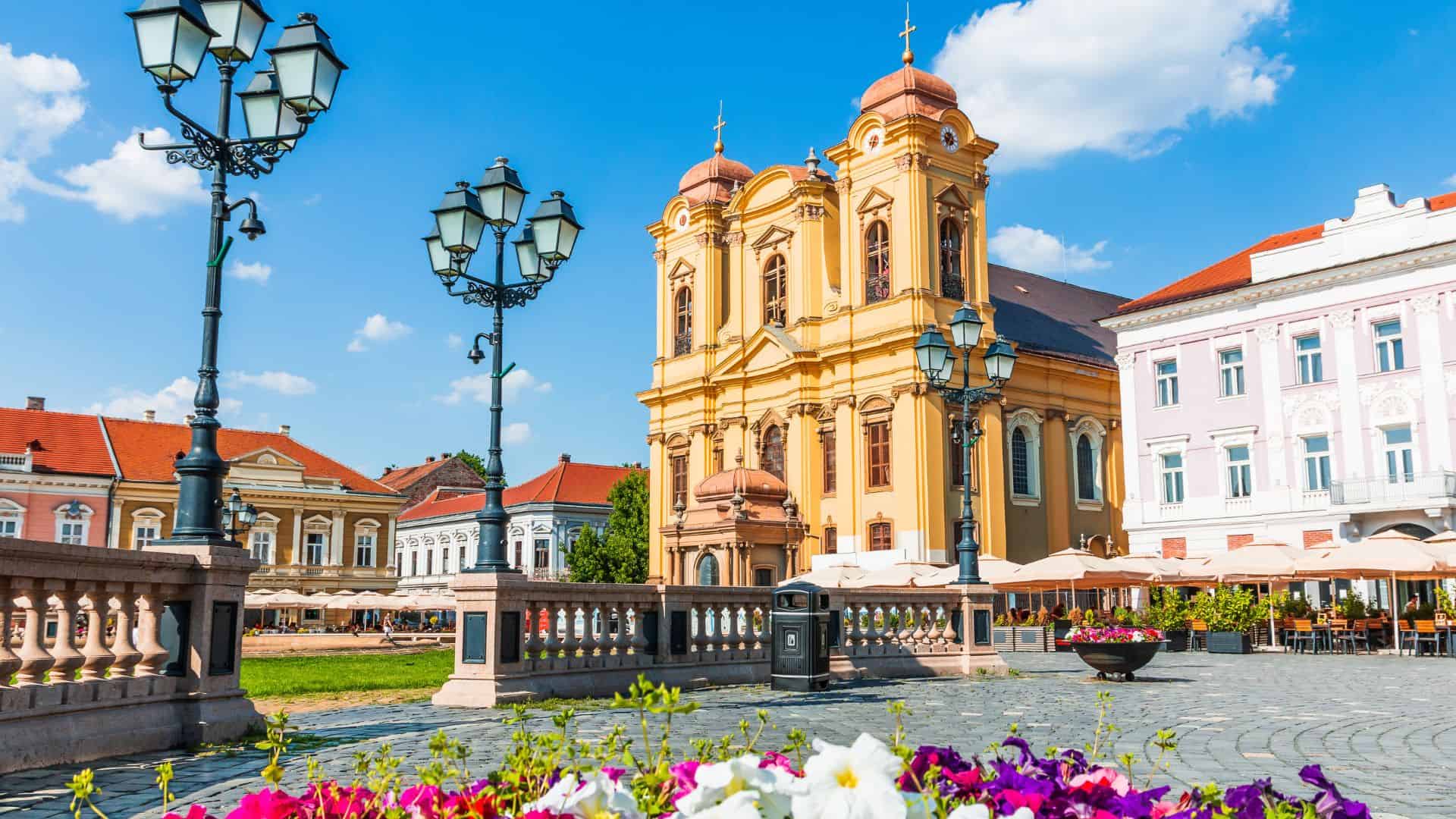
According to the WHO’s 2019 report, Romania ranks number one in alcohol consumption per capita. Drinking is deeply woven into social life, with everything from homemade spirits to bold red wines enjoyed at gatherings and family meals. Traditional drinks like țuică, a strong plum brandy, are especially popular in rural areas. Wine culture is also thriving, thanks to the country’s growing reputation for quality vineyards. Whether in a lively pub or a quiet cellar, sharing a drink is a big part of Romanian hospitality.
Georgia
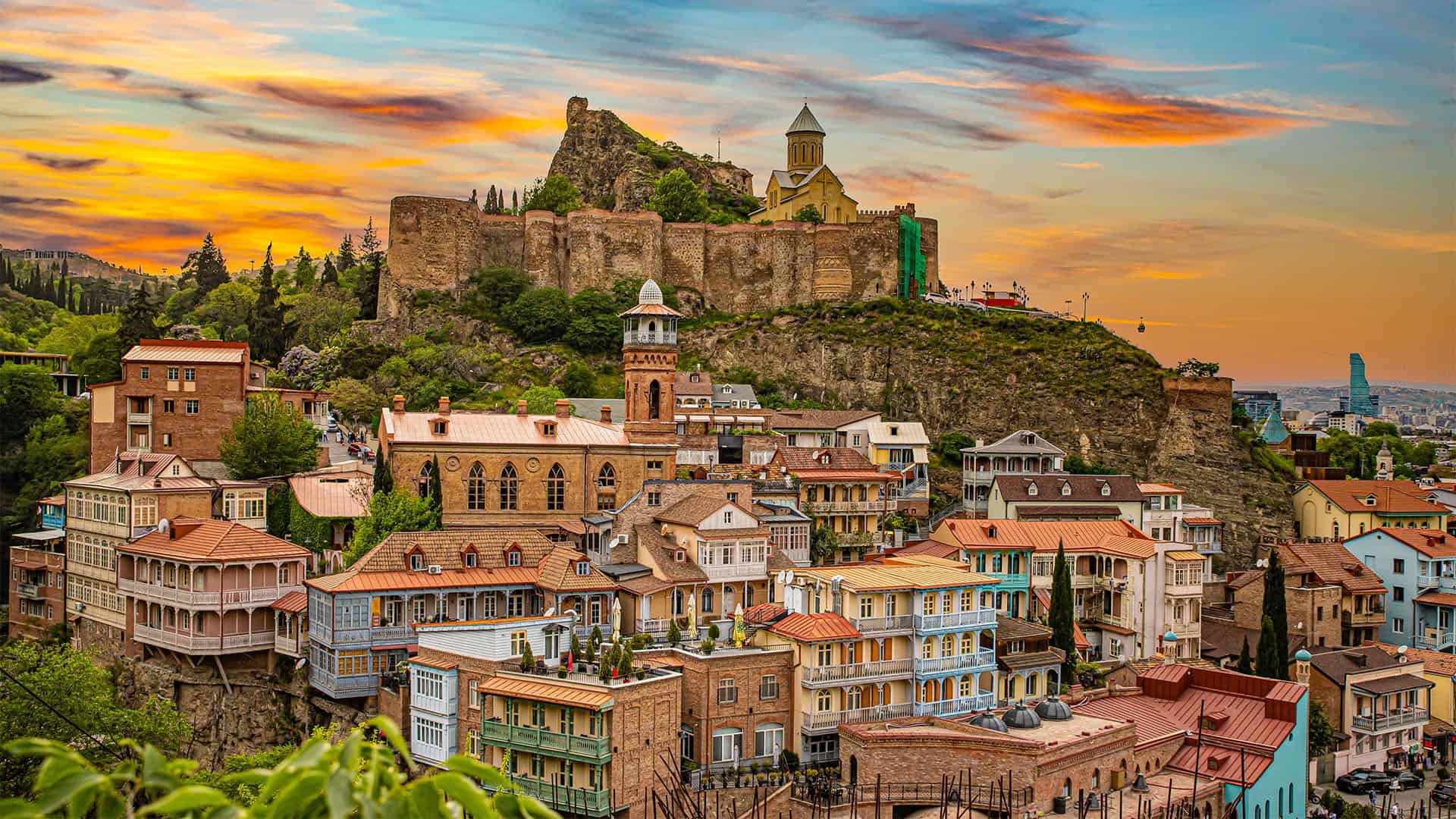
According to the World Health Organization's 2019 report, Georgia ranks second globally in per capita alcohol consumption. This high ranking reflects the country's deep-rooted cultural traditions surrounding alcohol, particularly wine. Georgia is recognized as the cradle of wine, with archaeological evidence of winemaking dating back over 8,000 years. Traditional Georgian winemaking involves fermenting grapes in large clay vessels called kvevri, a method inscribed on UNESCO's Intangible Cultural Heritage list.
Czechia
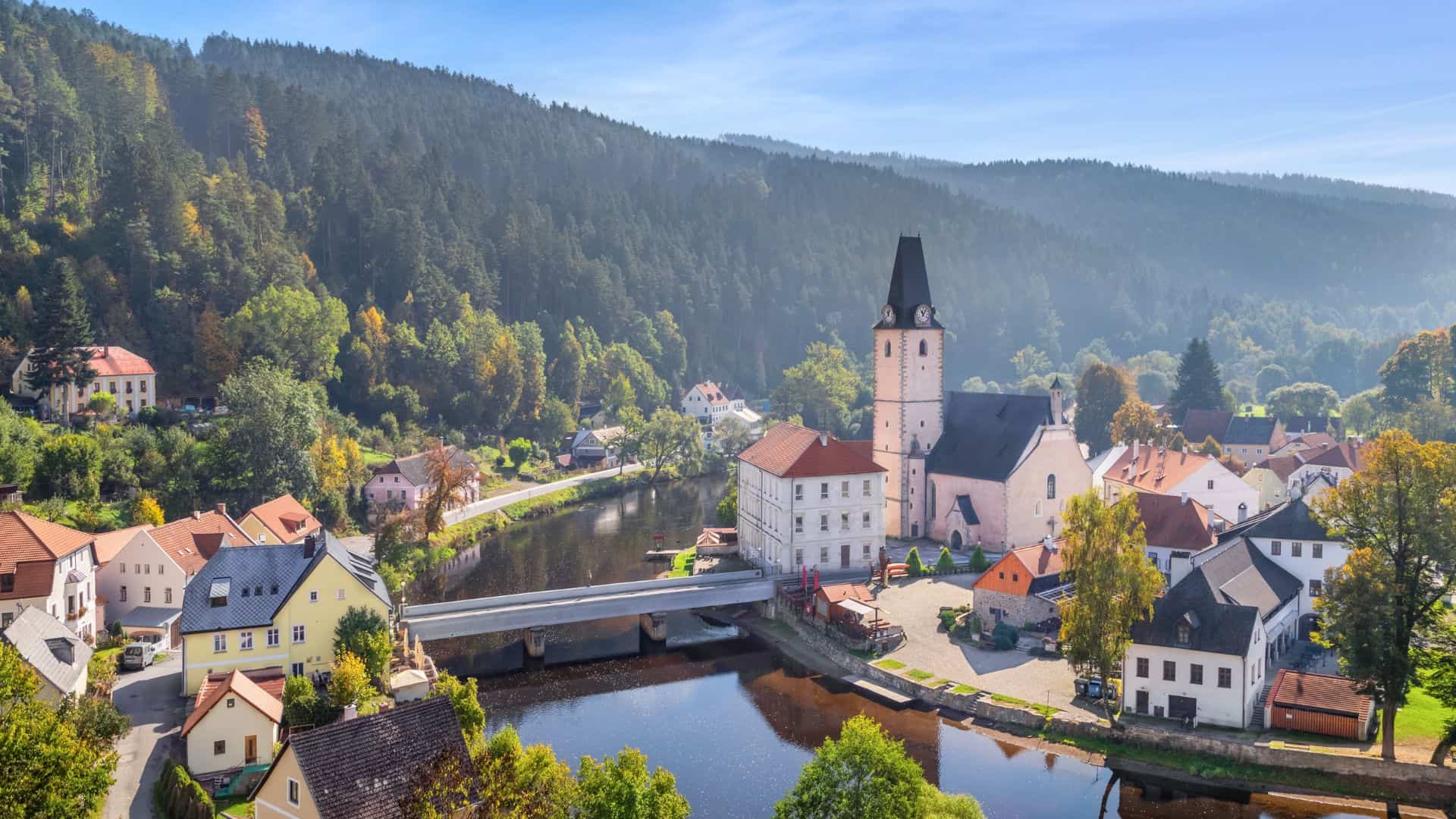
Czechia came in 3rd on the list, consuming 13.3 liters of alcohol per capita. They have a rich brewing heritage and vibrant beer culture. Czechs have elevated brewing, crafting brews that delight people with their flavors and craftsmanship.
Latvia
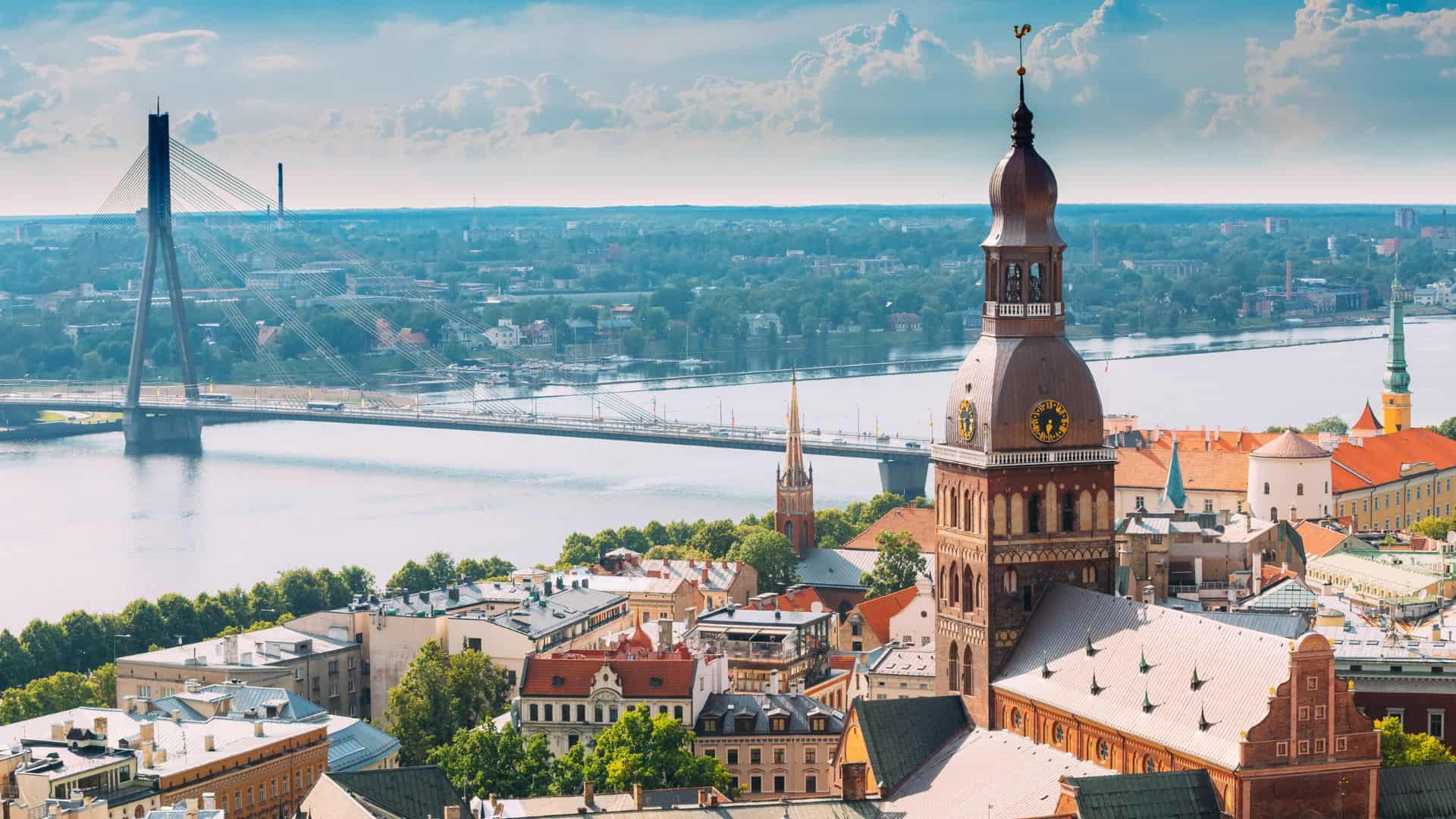
Latvia ranks 4th in alcohol consumption per capita, according to the WHO's 2019 report. Drinking plays a central role in social gatherings, with traditional beverages often marking both everyday moments and major celebrations. One of the most iconic drinks is Riga Black Balsam, a strong herbal liqueur known for its bold taste and historical roots. Latvians also enjoy a wide variety of beers and spirits, often produced locally. The country’s drinking culture blends old-world traditions with modern social life.
Germany
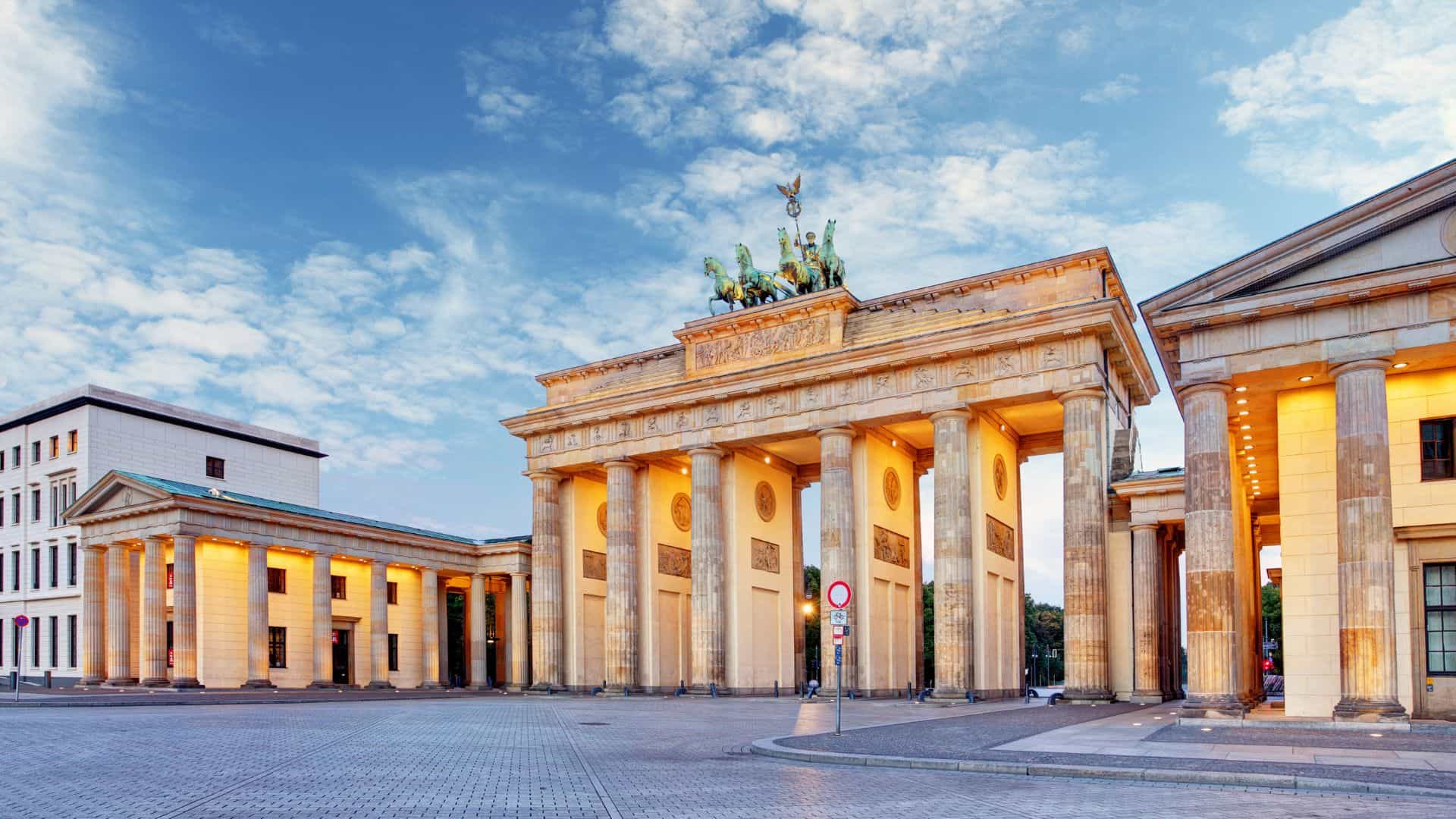
Germany ranks fifth in alcohol consumption per capita, according to the WHO’s 2019 data. Beer holds a special place in German culture, with centuries-old brewing traditions still thriving today. From cheerful beer gardens to cozy taverns, social life often revolves around sharing a drink. Events like Oktoberfest highlight just how deeply rooted beer is in national identity. Across the country, there’s a strong appreciation for quality, craftsmanship, and communal celebration.
Uganda
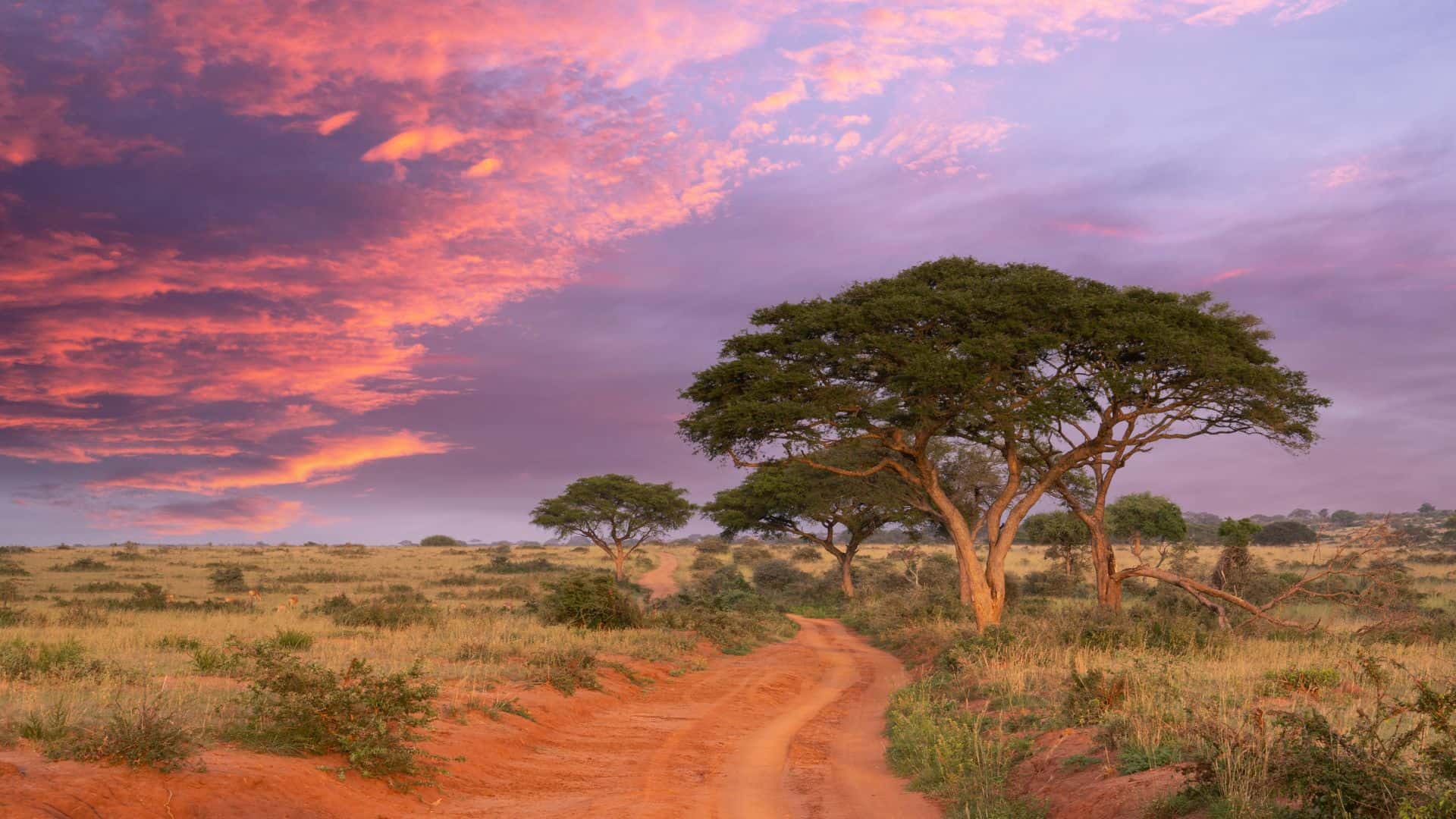
In Uganda, alcohol is often a key part of social life and community traditions. Many people enjoy locally brewed drinks, such as waragi, a popular banana-based spirit, and homemade beers made from millet or sorghum. These beverages are commonly shared during celebrations, ceremonies, and everyday gatherings. The country’s drinking culture is closely tied to its diverse heritage and local customs, with homemade brews playing a prominent role in rural areas.
Austria
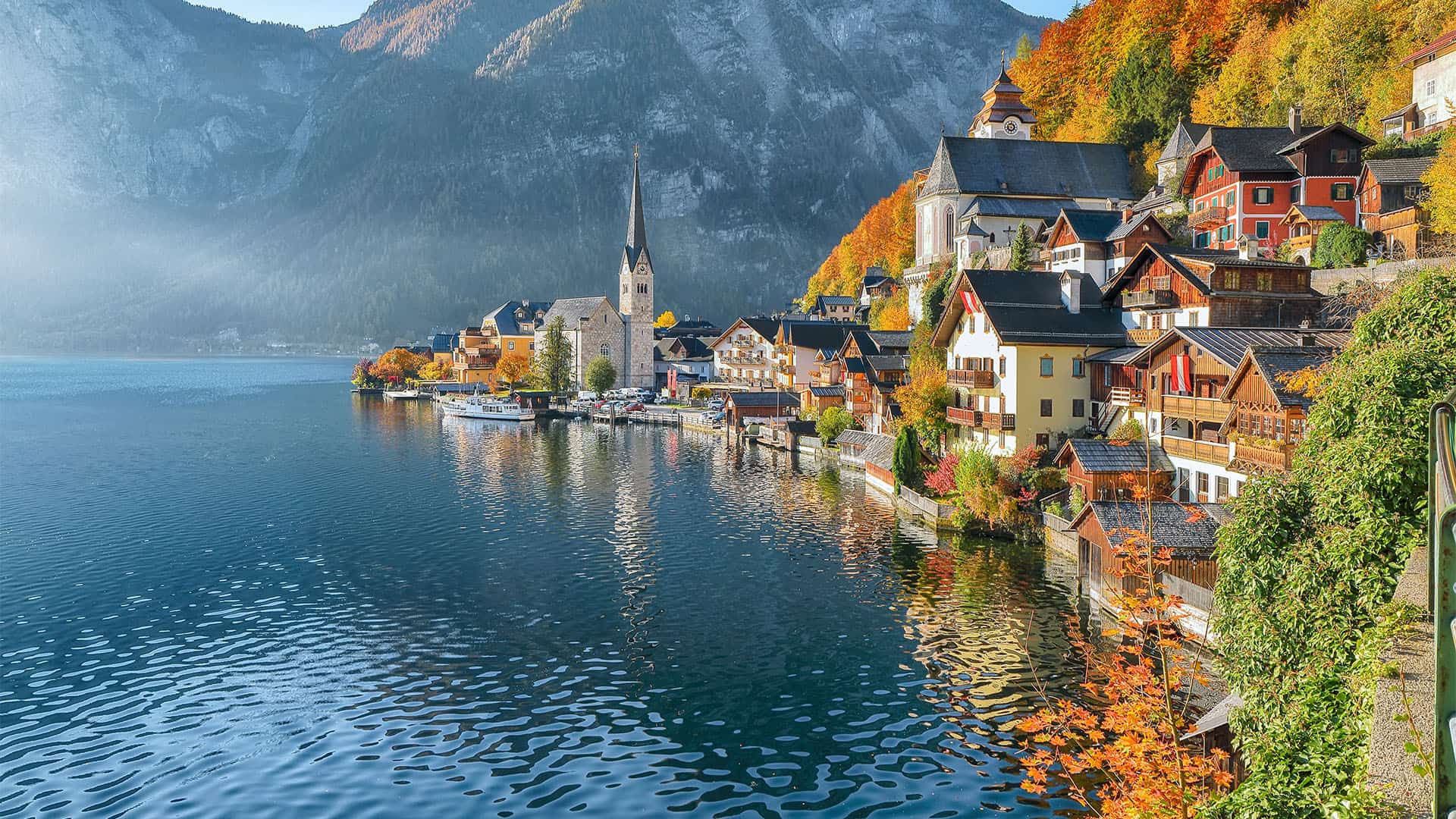
Austria has a long-standing drinking culture that blends tradition with regional pride. Beer is a favorite across the country, often enjoyed in lively beer gardens and rustic taverns. Wine also plays a key role, especially in areas like Burgenland and Lower Austria, where local varietals are celebrated. Vienna is unique for being one of the few capitals with active urban vineyards, where locals sip fresh wine in cozy Heuriger taverns. Drinking in Austria is as much about community and atmosphere as it is about the drink itself.
Seychelles
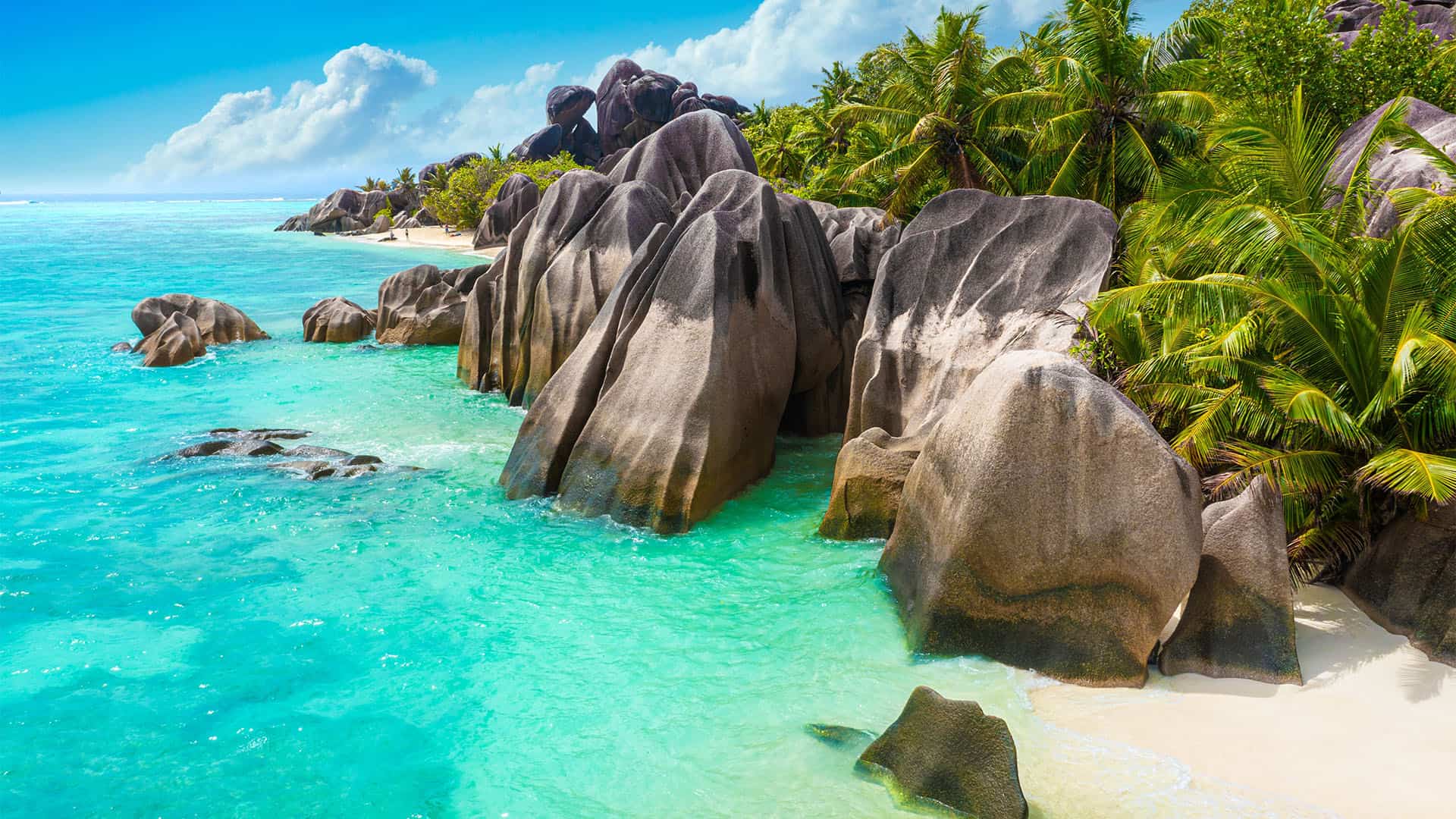
In Seychelles, alcohol is closely tied to tradition and island life. Locals have long enjoyed kalou, a fermented palm wine made from coconut sap, especially during communal gatherings. Home-brewed spirits like buka also remain popular in some areas. Modern favorites include Takamaka Rum and Seybrew lager, both widely enjoyed across the islands. Whether at a beachside bar or a family celebration, drinking is a familiar part of Seychellois culture.
Bulgaria
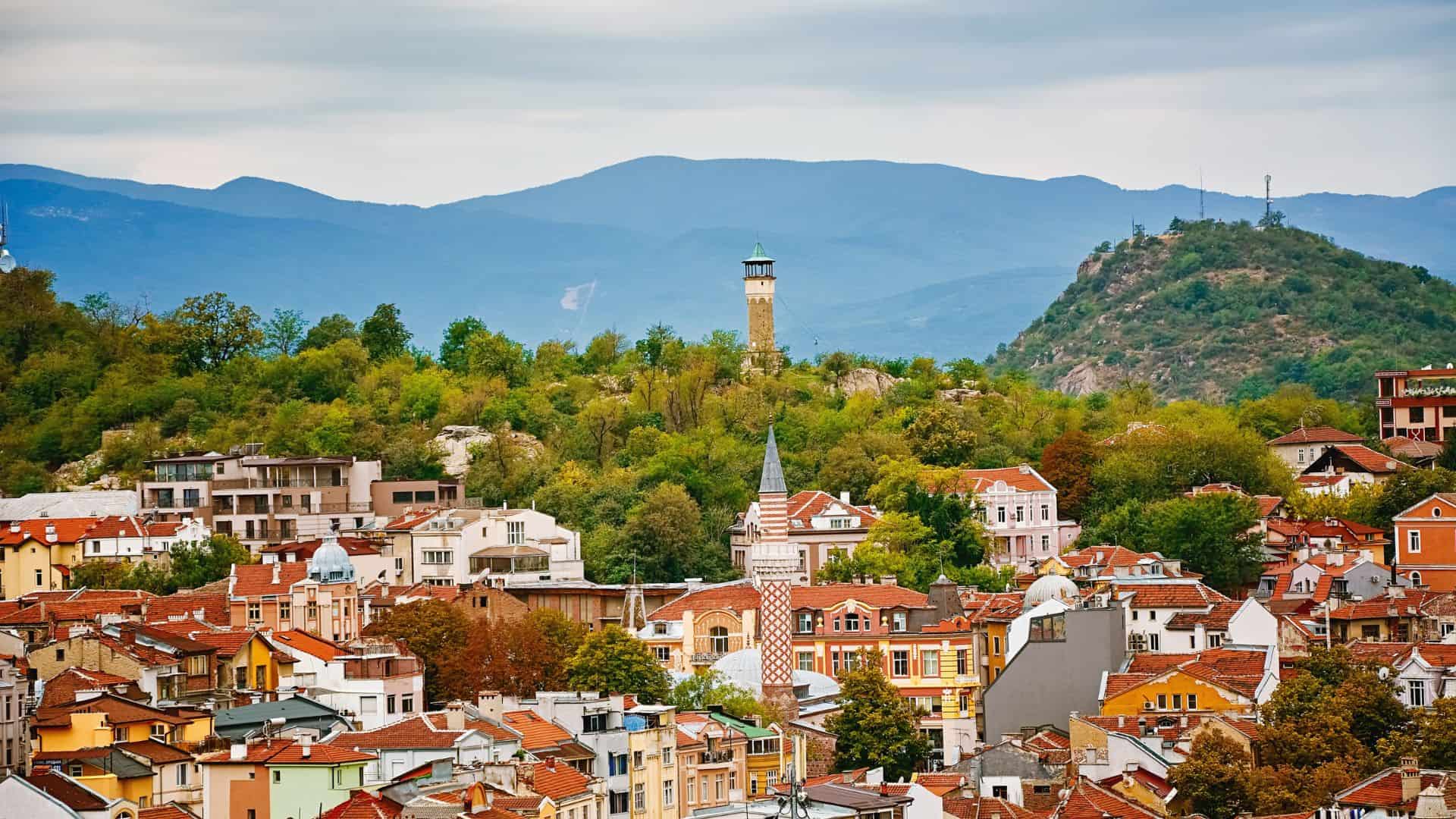
Bulgaria's alcohol culture is deeply rooted in tradition and social customs. The national spirit, rakia, is a fruit brandy typically made from grapes or plums, often enjoyed during family gatherings and festive occasions. Homemade rakia is especially cherished, with many households crafting their own versions passed down through generations. Wine also holds a significant place in Bulgarian culture, with local varieties like Mavrud and Melnik reflecting the country's rich winemaking heritage.
Lithuania
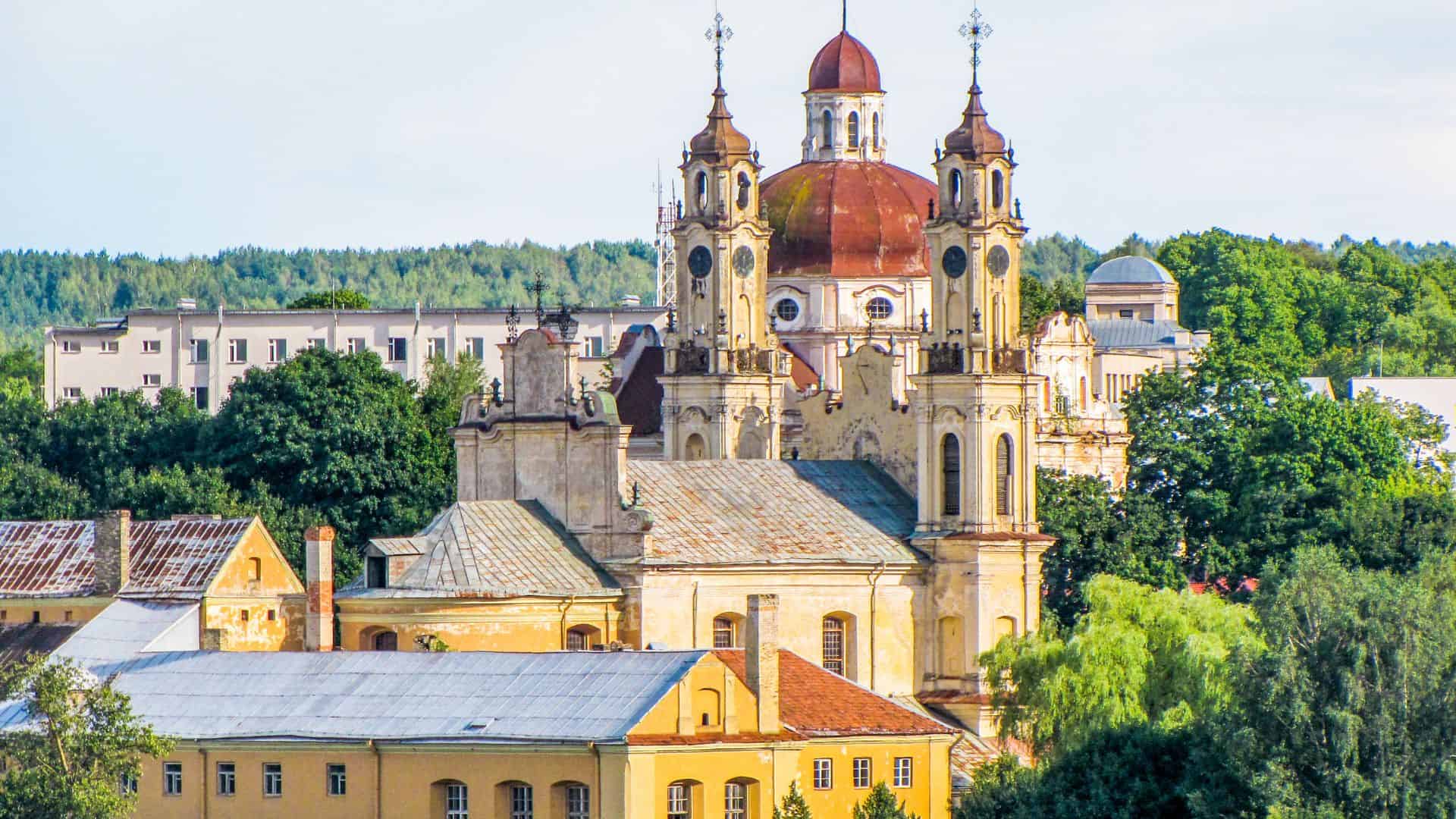
Lithuania comes in at number 10th on the WHO list for alcohol consumption per capita. The country's love affair with beer and traditional spirits reflects a heritage of craftsmanship. It also boasts a vibrant social scene.
Ireland
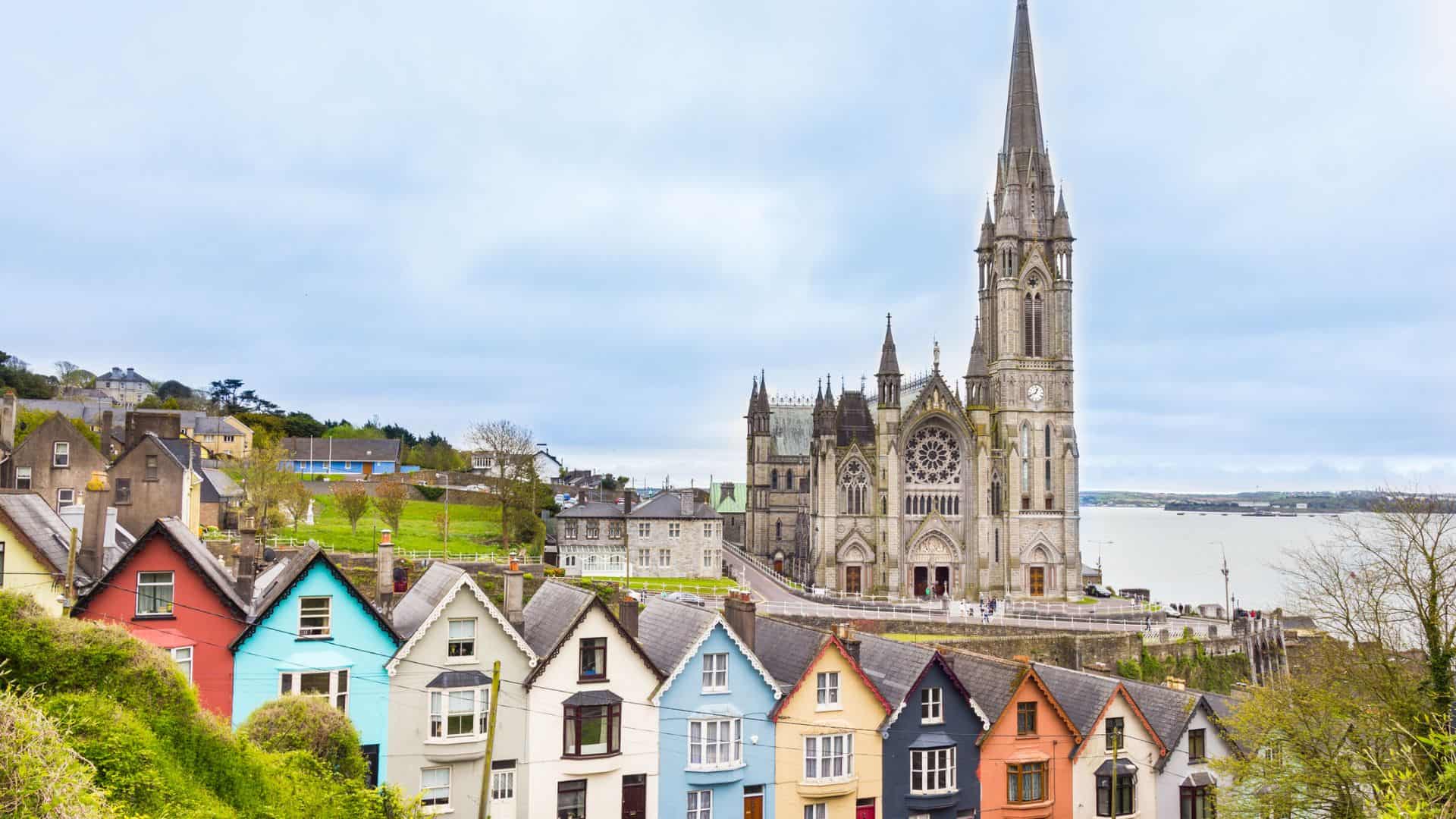
Ireland ranked 11th in alcohol consumption per capita. It's no secret that in Ireland, they love a good beer paired with camaraderie and storytelling. They enjoy stout beers and smooth whiskey and embody a very spirited culture.
Poland
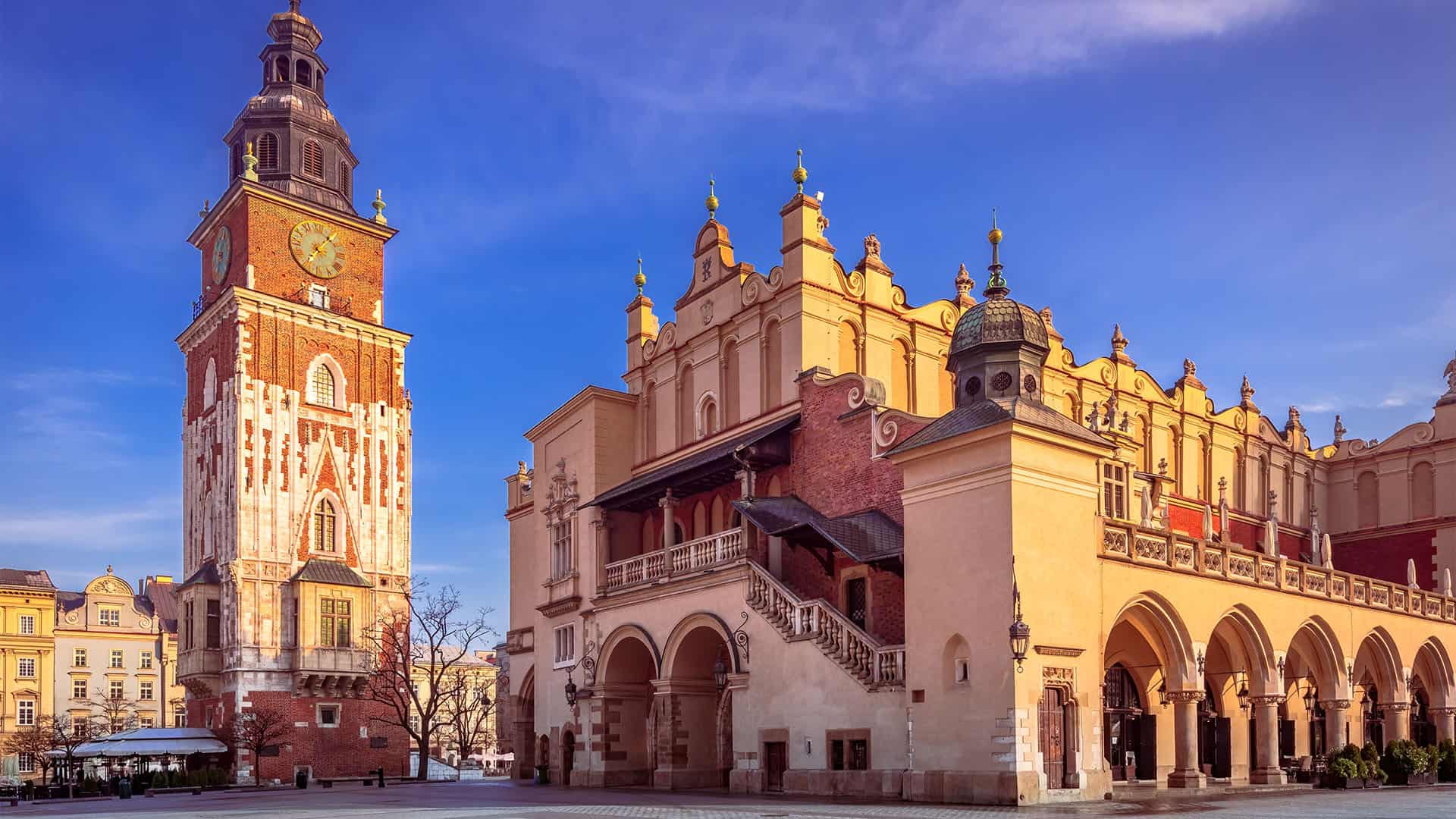
Poland has a rich and enduring relationship with alcohol, deeply embedded in its cultural and social traditions. Vodka holds a special place in Polish society, often served during family gatherings, weddings, and national celebrations. Beyond vodka, Poland boasts a vibrant beer scene, with popular brands like Żywiec and Tyskie enjoyed across the country. Traditional fruit liqueurs, known as nalewki, are also cherished, often homemade and passed down through generations. Whether it's a shot of vodka at a festive occasion or a glass of beer with friends, alcohol plays a significant role in Poland's communal and cultural life.
Spirited Countries

Alcohol consumption often mirrors a country's culture, traditions, and social habits. As seen across these nations, from the beer gardens of Germany to the vineyards of Georgia, drinking can be a way to connect, celebrate, and share experiences. Each country has its own rituals and preferences that shape how alcohol fits into daily life. That said, it's important to remember that drinking should always be done responsibly. If you or someone you know is struggling with alcohol, don't hesitate to seek help.
This article was inspired by the Wikipedia and a study by WHO.
Leave a Reply